Jryn Eye Clinic Busan (Seomyeon) · SMILE LASIK · EVO+ Visian ICL · Cataract & Retina Center · Tel: +82-51-710-1004
en-US

1:1 Consultation
CLINICAL ARTICLE & GUIDE
Is Laser Cataract Surgery Covered by Insurance?
Laser cataract surgery may be partially covered by insurance, but it depends on your policy and specific circumstances. Typically, insurance covers standard cataract surgery, while advanced options like laser surgery may incur additional out-of-pocket costs.

Introduction

Cataracts, a condition where the lens of the eye becomes cloudy, are one of the leading causes of vision impairment, especially among older adults. It’s estimated that by the age of 80, more than half of all Americans will either have cataracts or have had cataract surgery. When cataracts start interfering with daily activities like reading, driving, or watching TV, surgery becomes necessary. But as you begin researching options, one of the biggest questions you might have is: Is laser cataract surgery covered by insurance?
Laser cataract surgery is an advanced technique, offering precision and potentially quicker recovery times compared to traditional cataract surgery. However, when it comes to insurance coverage, things aren’t always straightforward. In this article, we’ll delve into the details of laser cataract surgery, its costs, and whether or not insurance will cover this procedure.
What is Cataract Surgery?
Cataract surgery is the most common treatment for cataracts, and it involves removing the cloudy lens and replacing it with an artificial intraocular lens (IOL). The traditional approach, also called manual cataract surgery, involves making an incision in the cornea to remove the cloudy lens. In recent years, laser cataract surgery has become more popular, offering a higher level of precision and fewer complications.
Laser cataract surgery uses a femtosecond laser to perform certain steps of the procedure, such as making incisions, softening the cataract, and even preparing the lens capsule for the insertion of an IOL. By replacing some of the manual aspects with laser precision, this technique can result in more accurate outcomes and potentially faster recovery.
The Role of Insurance in Cataract Surgery
Health insurance companies typically cover the basic cataract surgery as a medically necessary procedure. The standard cataract surgery, performed manually with traditional surgical tools, addresses the immediate need of restoring vision and is considered essential for many patients, especially those whose vision impairment affects daily tasks.
However, insurance coverage for laser cataract surgery is more complex. While laser surgery is an advanced option that provides certain benefits, it’s often seen as an upgrade rather than a necessity. That’s why many insurance plans, including government-funded programs like Medicare, do not fully cover the laser-assisted procedure.
How Does Laser Cataract Surgery Differ from Traditional Cataract Surgery?
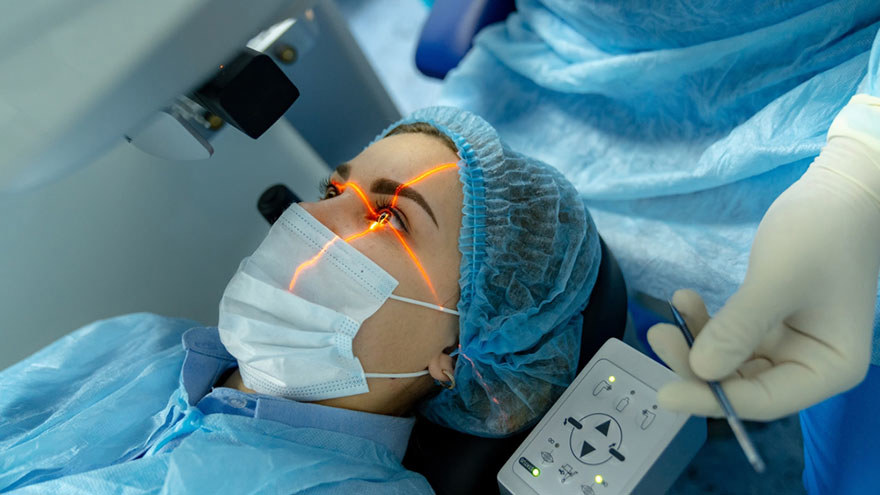
Before we dive deeper into insurance coverage, it’s important to understand what sets laser cataract surgery apart from traditional methods. There are several key differences:
1. Precision and Accuracy:
Laser cataract surgery utilizes femtosecond lasers, which can make more precise incisions than a surgeon’s blade. These lasers can also break up the cataract with a higher degree of accuracy, which might result in less time under the laser and a quicker recovery.
2. Fewer Complications:
Since lasers can perform the incisions more precisely and with less energy, the risk of damaging surrounding tissues is minimized. This can lead to fewer complications, such as infections or inflammation, after surgery.
3. Customization:
Laser cataract surgery allows for a more tailored approach, meaning that it can adjust to your eye's specific needs. It’s especially beneficial for patients with astigmatism or other specific conditions.
4. Premium Lenses:
Laser cataract surgery is often paired with premium intraocular lenses (IOLs), which can improve vision beyond what traditional lenses offer. Some premium lenses help with issues like presbyopia (the age-related loss of near vision) or astigmatism, offering better visual outcomes.
Why Isn’t Laser Cataract Surgery Fully Covered by Insurance?
While traditional cataract surgery is considered medically necessary, laser cataract surgery is often classified as elective. This means that the procedure is not deemed absolutely necessary for vision correction but rather as an upgrade with potential benefits that go beyond the standard approach.
Because of this classification, insurance companies usually limit coverage to the basic surgery, which involves a manual technique for cataract removal and the implantation of a standard IOL. While laser-assisted surgery offers higher precision and faster recovery, the added benefits are seen as optional enhancements that patients can choose if they are willing to pay for them.
In simple terms, think of it like choosing between a standard car model and a luxury model. The car's essential function (getting you from point A to point B) remains the same, but the luxury features (like heated seats, upgraded sound systems, and advanced navigation) are considered extras that come at an additional cost.
What Will Insurance Cover?
If you have health insurance, particularly with a plan that covers cataract surgery, you can expect it to cover traditional cataract surgery. Here's what insurance typically covers:
1. Cataract Removal:
The surgery to remove the cloudy cataract lens is generally covered by insurance as it is necessary to restore vision. The surgeon will make an incision and remove the cloudy lens, which is usually done manually with a blade or traditional tools.
2. Standard Intraocular Lens (IOL):
Most insurance plans cover the cost of a basic monofocal IOL. This type of lens will restore vision to a single focal point—usually distance vision—after the cataract is removed. Patients may still need glasses for near or intermediate tasks, like reading or working on a computer.
However, here are the additional costs not typically covered:
1. Laser-Assisted Cataract Surgery:
This is considered a premium service. Since laser cataract surgery is viewed as an upgrade, insurance will likely not cover the costs. This includes the femtosecond laser system, which performs precise incisions and breaks up the cataract.
2. Premium Lenses:
Insurance typically won’t cover the costs of premium IOLs, such as multifocal, accommodating, or toric lenses. These lenses offer better vision correction for various focal distances (near, intermediate, and far) and can address issues like astigmatism or presbyopia.
How Much Does Laser Cataract Surgery Cost?

The cost of laser cataract surgery can vary significantly based on several factors:
Location: Surgeons in larger cities or prestigious clinics may charge more for laser cataract surgery.
Surgeon’s Experience: More experienced surgeons with a high level of expertise may charge a premium for their services.
IOL Selection: The type of IOL chosen also affects the overall cost. Premium lenses typically cost more than standard ones.
Insurance Coverage: If insurance covers any portion of the procedure, the amount you’ll need to pay out-of-pocket will be reduced.
Generally, laser cataract surgery costs between $2,000 and $3,000 per eye, depending on the clinic and additional factors. If you choose to upgrade to a premium lens, that cost can rise even further. While these figures may seem steep, many clinics offer financing options or payment plans to make the procedure more affordable.
Is Laser Cataract Surgery Worth the Extra Cost?
The decision to undergo laser cataract surgery is a personal one, and whether it’s worth the extra cost depends on various factors. Here are some of the key benefits that patients often find compelling:
1. Higher Precision:
The laser’s precision minimizes the risks of complications and reduces the likelihood of needing additional corrective procedures.
2. Faster Recovery:
Patients often experience quicker healing times, which means less post-surgery discomfort and a faster return to normal activities.
3. Better Visual Outcomes:
For those who choose premium lenses, laser cataract surgery can improve vision quality and reduce dependency on glasses or contacts.
If you're someone who values quicker recovery, more accurate results, and an overall improved experience, then laser cataract surgery may be worth the investment. If you have specific vision needs, such as presbyopia or astigmatism, premium lenses in combination with laser cataract surgery could give you the best possible outcome.
Alternatives to Laser Cataract Surgery
If the cost of laser cataract surgery is a concern, you might consider these alternatives:
Standard Cataract Surgery: The traditional method is still highly effective and covered by most insurance plans. It involves fewer additional costs, and you can still achieve significant vision improvement.
Payment Plans and Financing: Many clinics, including Jryn Eye Clinic, offer financing options that allow you to pay for laser cataract surgery over time, making the procedure more affordable.
Ask About Insurance Add-Ons: Some insurance policies offer optional upgrades for elective surgeries, so it’s worth asking your provider whether any additional coverage can help offset the cost of laser cataract surgery.
Jryn Eye Clinic: Your Trusted Partner in Cataract Treatment
At Jryn Eye Clinic, we understand how important your vision is, which is why we offer cutting-edge treatments, including both traditional and laser cataract surgery, tailored to your specific needs. Dr. Han Sang Yeop, our experienced ophthalmologist, leads a dedicated team of experts in providing personalized care that ensures the best possible outcomes. With a reputation for precision, we prioritize not just your eye health, but also your comfort and recovery.
While laser cataract surgery may not be fully covered by insurance, Jryn Eye Clinic offers a range of financing options to help make this advanced procedure more accessible. Whether you opt for the standard surgery or choose the more advanced laser technique, our team is here to guide you through the decision-making process, ensuring you understand all costs and benefits before proceeding.
If you’re in Busan or beyond and want to explore your options for cataract treatment, we invite you to schedule a consultation at Jryn Eye Clinic. Let us help you take the next step towards clearer, healthier vision.
Final Thoughts: Navigating the Decision
Ultimately, if you’re considering laser cataract surgery, it’s important to weigh the benefits against the costs. While insurance typically doesn’t cover the full cost of laser cataract surgery or premium lenses, the advantages—such as better precision, faster recovery, and improved vision quality—might make the extra investment worthwhile for you.
To make the best decision, it’s crucial to consult with your ophthalmologist to fully understand all your options, costs, and what your insurance will cover. If you're in Busan, Jryn Eye Clinic is known for its precision-driven cataract treatments and personalized care. Whether you opt for traditional or laser cataract surgery, you’ll receive the expertise and attention you need for the best possible outcome.
Ready for a Personalized 1:1 Eye Consultation?
Schedule your comprehensive 3D eye examination with Chief Director Dr. Sang-Youp Han and our ophthalmology team on the 14th floor of JRYN Medical Center in Seomyeon, Busan.