Jryn Eye Clinic Busan (Seomyeon) · SMILE LASIK · EVO+ Visian ICL · Cataract & Retina Center · Tel: +82-51-710-1004
en-US

1:1 Consultation
CLINICAL ARTICLE & GUIDE
Is EVO Visian ICL Reversible?
The EVO Visian ICL is a reversible vision correction solution that offers a safe, effective alternative to LASIK. Learn more about its benefits and the removal process.

Introduction

When considering a vision correction procedure, many patients weigh the long-term commitment involved in surgeries like LASIK, SMILE, or others. The thought of permanent changes to the eyes can be intimidating, especially for those unsure of the long-term effects or who may be concerned about how their vision might change as they age. Fortunately, for people with moderate to high nearsightedness (myopia) or astigmatism, the EVO Visian ICL (Implantable Collamer Lens) presents a unique option that stands apart from traditional refractive surgeries. One of the most appealing aspects of the EVO Visian ICL is that it’s reversible—but what exactly does this mean for patients, and what should they consider when deciding if this procedure is right for them?
In this article, we’ll explore the concept of reversibility with the EVO Visian ICL, what makes this procedure unique, and the considerations patients should keep in mind when choosing this method of vision correction. Whether you’re new to the idea of ICLs or simply want to learn more about how it works and its flexibility, we’ve got you covered.
What is the EVO Visian ICL?
Before diving into the details of reversibility, it's important to first understand what EVO Visian ICL is. EVO Visian ICL is a type of implantable lens used to treat refractive vision problems such as high myopia, astigmatism, or hyperopia (farsightedness). Unlike LASIK and other laser treatments, which reshape the cornea, the EVO Visian ICL is inserted into the eye behind the iris, the colored part of the eye. The lens works alongside your natural lens to help improve the focus of light on the retina, resulting in clearer vision.
This lens is made from Collamer, a biocompatible material that has been specifically designed for use inside the eye. The primary advantage of EVO Visian ICL over other vision correction options is that it does not involve any permanent alteration of the cornea or eye structure. For this reason, it offers a potential alternative to LASIK for individuals who may not be good candidates for laser procedures due to thin corneas, high prescriptions, or other factors.
One of the standout benefits of the EVO Visian ICL is its reversibility—something that can be a major factor for those hesitant about permanent vision correction.
How Reversible Is the EVO Visian ICL?
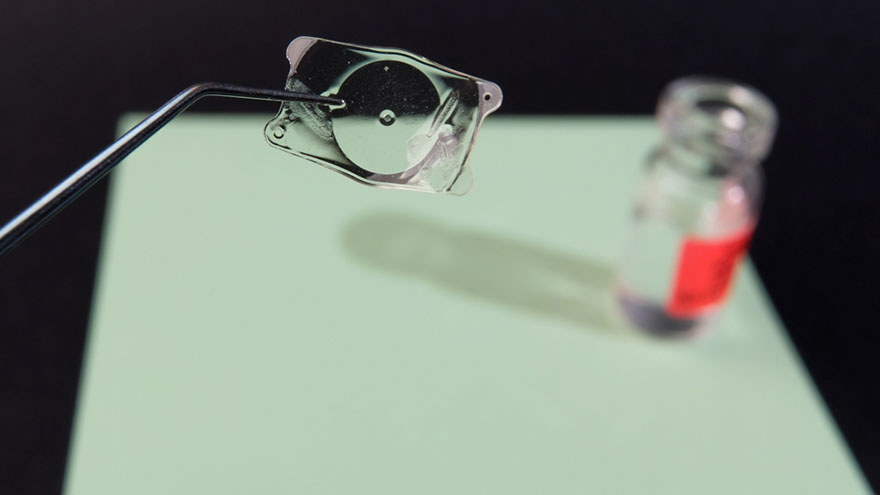
To put it simply, the EVO Visian ICL is a reversible procedure, but like any medical decision, it’s essential to understand the details before making a choice.
1. What Does Reversibility Mean?
In the context of the EVO Visian ICL, reversibility means that the lens can be removed or replaced if needed, even after being implanted for many years. Unlike LASIK, which alters the shape of the cornea and is permanent, the ICL is placed within the eye but does not change the eye’s natural structure. If your vision changes over time, if you experience any complications, or if you simply decide that you want to pursue a different type of vision correction, the ICL can be safely taken out and replaced.
2. When Would You Need to Remove the ICL?
Although EVO Visian ICL offers a long-lasting solution for many people, there are a few situations in which removal might be necessary or desired. Some of these scenarios include:
Changing Vision: Vision can change over time, especially as you age. If your prescription shifts significantly, you might want to have your ICL removed or replaced with a different prescription.
Presbyopia or Cataracts: As people age, they often develop presbyopia (difficulty focusing on close objects) or cataracts (clouding of the natural lens in the eye). In these cases, the ICL might need to be removed to proceed with treatments for those conditions.
Alternative Vision Correction Options: You may decide at a later point in your life that you want to explore another vision correction procedure, like LASIK or refractive lens exchange (RLE). In this case, your ophthalmologist may suggest removing the ICL.
Complications: Although rare, complications like increased intraocular pressure or infection could necessitate the removal of the lens.
3. How Is the ICL Removed?
The procedure to remove the EVO Visian ICL is typically quick and minimally invasive. The lens is accessed through a small incision in the cornea, and the surgeon carefully removes it from its position behind the iris. Because the ICL does not change the shape of the eye, the removal process is straightforward, and recovery is generally fast.
In some cases, your ophthalmologist might also recommend other corrective options after the lens is removed, such as LASIK or PRK. If you opt for LASIK following ICL removal, your cornea will need to be carefully evaluated to ensure you’re a good candidate for laser treatment.
4. Long-Term Effects After Removal
While the ICL is removed, the eye generally returns to its natural state, but it’s important to understand that there may be some long-term effects, particularly if the lens has been in place for many years. Over time, the eye may undergo slight structural changes. While this doesn’t necessarily mean you won’t be able to achieve good vision after removal, these changes are something to consider with your surgeon. Discussing the potential long-term effects of removal, especially in the context of your age and future vision needs, will help ensure that the right decisions are made.
Why Choose the EVO Visian ICL for Its Reversibility?

The ability to reverse the procedure offers several compelling advantages:
1. Flexibility with Changing Vision:
Vision doesn’t always stay the same. As you age, your refractive needs may change, especially with the onset of presbyopia or other age-related conditions. With the EVO Visian ICL, knowing that the lens can be removed if necessary allows you to have a more flexible approach to future eye health.
2. Peace of Mind:
If you’re someone who is hesitant to undergo permanent surgery, knowing that the EVO Visian ICL is reversible can provide reassurance. The idea that you can change your mind down the road gives many patients the confidence to pursue this procedure, knowing that if something doesn’t work out as expected, there are alternatives.
3. Minimally Invasive:
ICL removal is a relatively simple procedure with minimal recovery time. Compared to other surgical alternatives, this procedure is typically faster and less invasive.
4. Not a One-Way Street:
The reversibility factor makes the EVO Visian ICL stand out from other permanent vision correction options. It provides a middle ground for those who are unsure about a lifelong commitment to a single form of vision correction.
Key Considerations for Potential Patients
While the reversibility of the EVO Visian ICL is a huge benefit, there are still considerations that should be weighed before deciding whether it’s the right choice for you:
Surgical Risks: As with any surgery, there are risks associated with the procedure itself, including infection, inflammation, or changes in intraocular pressure. However, these risks are minimal when performed by an experienced and skilled surgeon.
Cost and Logistics: While the procedure itself can be cost-effective in comparison to LASIK for some patients, there are additional costs involved in lens removal or replacement should the need arise in the future. It’s important to consider this when deciding if ICL is right for your long-term vision plan.
Post-Removal Vision Correction Options: Even though the ICL is reversible, removing it may leave you without the same level of vision correction that the lens once provided. You may need glasses, contact lenses, or another surgical procedure like LASIK or PRK to maintain optimal vision after removal.
Long-Term Eye Health: Keep in mind that as you age, other conditions like cataracts may develop. While the ICL is a highly effective and flexible solution, it's important to discuss with your ophthalmologist how aging will affect your eye care and whether additional treatments might be required.
Conclusion: The Flexibility of EVO Visian ICL
In conclusion, the EVO Visian ICL offers an excellent vision correction solution with the added benefit of reversibility. For those who are looking for a non-permanent, highly effective way to correct their vision, the ICL provides an option that can be adjusted or removed as needed. However, like any medical procedure, it’s crucial to have open discussions with your ophthalmologist about the long-term implications, potential changes to your vision, and the risks involved.
At Jryn Eye Clinic, Dr. Han Sang Yeop and our team of specialists are dedicated to helping you make informed decisions about your eye health. Whether you’re interested in EVO Visian ICL or other vision correction options, we’ll guide you through every step of the process with care, precision, and expertise.
Ready for a Personalized 1:1 Eye Consultation?
Schedule your comprehensive 3D eye examination with Chief Director Dr. Sang-Youp Han and our ophthalmology team on the 14th floor of JRYN Medical Center in Seomyeon, Busan.