Jryn Eye Clinic Busan (Seomyeon) · SMILE LASIK · EVO+ Visian ICL · Cataract & Retina Center · Tel: +82-51-710-1004
en-US

1:1 Consultation
CLINICAL ARTICLE & GUIDE
How to Protect Your Eyes from Digital Strain and Screen Time
Discover tips from ophthalmologists on preventing digital eye strain and protecting your eyes from screen time effects. Learn the truth about blue light and myopia.

Introduction: Screen Time and Eye Health – What You Need to Know
As screens become a staple in our everyday lives, concerns about their impact on eye health are on the rise. From smartphones to computers, these devices offer convenience but may also strain our eyes over time. Given how much screen use is now embedded in our routines, it’s important to ask: can too much screen time really harm our eyes?

This article dives into insights from ophthalmologists, debunking myths, discussing potential risks, and offering practical advice on protecting your eyes in an increasingly screen-driven world.
Understanding Digital Eye Strain: Symptoms and Causes
Digital eye strain, also known as computer vision syndrome (CVS), is a growing concern for those who spend long hours in front of screens. The condition encompasses a variety of symptoms that can negatively affect the eyes and overall comfort. Some common symptoms include:
Eye fatigue
Blurred vision
Dry eyes
Headaches
Neck and shoulder pain
The root cause of digital eye strain is the constant focus required when staring at screens. Unlike printed text, which allows for some natural eye movement, screens demand prolonged concentration on individual pixels, leading to muscle fatigue.
Other factors such as poor lighting, improper posture, and screen glare can exacerbate these issues. According to Dr. Emily Liu, a respected ophthalmologist, "In most cases, digital eye strain is temporary and can be alleviated with simple preventive measures."
How to Alleviate Digital Eye Strain:
Take frequent breaks using the 20-20-20 rule: Look at something 20 feet away for 20 seconds every 20 minutes.
Adjust your screen setup to maintain proper ergonomics.
While digital eye strain is typically not a sign of long-term damage, persistent discomfort may indicate that you need to reassess your screen habits.
Blue Light: A Closer Look at the Myths and Facts
There has been a surge in concerns about blue light emitted from screens and its potential effects on eye health. However, experts, including Dr. Alex McGrath from the American Academy of Ophthalmology, explain that while blue light can cause temporary discomfort, it does not significantly harm the eyes in the way some reports suggest.
Blue light exposure does, however, affect sleep. Research shows that blue light, especially when viewed late at night, can interfere with melatonin production, which disrupts sleep cycles. While this does not cause lasting harm to your eyes, it can contribute to fatigue and discomfort.
Dr. McGrath advises, "Using a blue light filter or enabling night mode on your devices can be helpful, especially for those who use screens in the evening."
Managing the Impact of Prolonged Screen Use
While occasional digital eye strain is manageable, there are long-term considerations when it comes to excessive screen time. Myopia, or nearsightedness, is on the rise, particularly among children and young adults. Research suggests that prolonged near-focus activities, such as reading or screen use, may contribute to this condition.
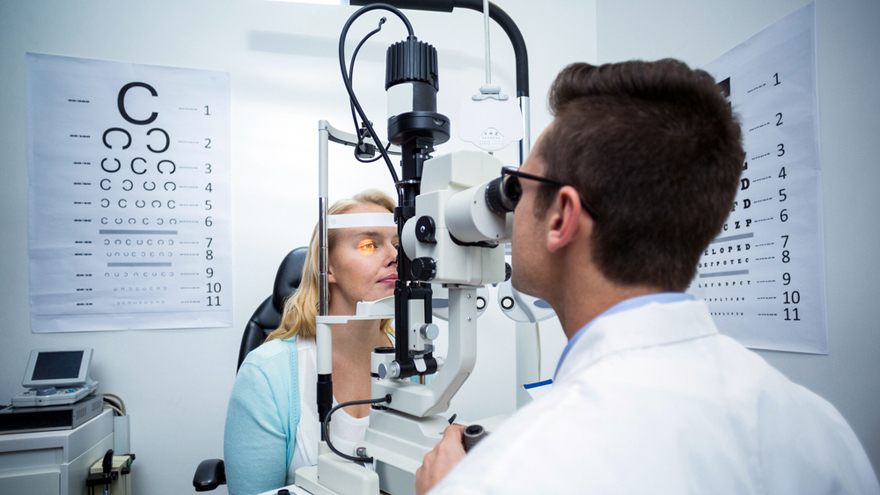
However, eye health experts emphasize that myopia is primarily influenced by genetic factors and eye structure. "Spending more time outdoors, where the eyes focus on distant objects, has been shown to help prevent the progression of myopia," explains Dr. Liu.
Key Tips for Protecting Your Eyes:
Take breaks regularly: Follow the 20-20-20 rule to reduce strain.
Maintain proper posture: Ensure your screen is at eye level and about an arm’s length away.
Get outside: For children, outdoor activities are essential for eye development.
Myopia and the Link to Screen Time
Excessive screen time has been linked to a surge in myopia cases, particularly among younger generations. According to a study published by the American Optometric Association, nearly 50% of people who use screens for more than two hours a day show signs of myopia.
While screens aren’t the sole cause of myopia, they can exacerbate the condition. Research indicates that intensive near tasks, like screen use, can contribute to the elongation of the eyeball, which is the key cause of myopia.
Dr. Martin Hayes, an optometrist with over 20 years of experience, recommends regular eye exams for early detection and corrective measures. He also suggests encouraging outdoor activities, particularly for children, to counteract the effects of prolonged screen use.
Expert Advice: Protecting Your Eyes in a Digital World
Although it's nearly impossible to avoid screens in today’s world, there are many steps you can take to protect your eye health. Here are some expert tips for minimizing digital eye strain:
Follow the 20-20-20 Rule: Take a break every 20 minutes to look at something 20 feet away for 20 seconds.
Adjust your screen settings: Lower the brightness to match the surrounding lighting and enable blue light filters during evening hours.
Stay hydrated: Drink enough water throughout the day to prevent dry eyes.
Blink more often: Remind yourself to blink more frequently to keep your eyes moist and comfortable.
Use artificial tears: For those prone to dry eyes, lubricating eye drops can be a quick remedy.
By incorporating these simple habits into your routine, you can significantly reduce the strain caused by prolonged screen use.
The Role of Technology in Eye Care: How Jryn Eye Clinic Supports Patients
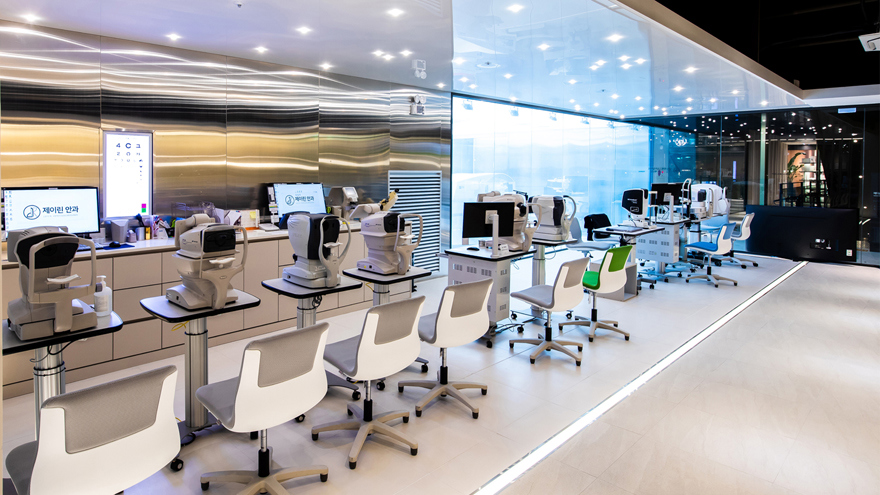
At Jryn Eye Clinic in Busan, South Korea, we offer a variety of services to address the challenges posed by extended screen time. Our ophthalmologists work with patients to alleviate symptoms of digital eye strain, myopia, and dry eyes through customized treatment plans.
"With over 20 years of experience, we are committed to providing comprehensive care for our patients, helping them manage and prevent eye discomfort associated with excessive screen use," says Dr. Park, the clinic’s head ophthalmologist.
If you’re experiencing discomfort from screen use or need advice on protecting your eyes, schedule a consultation with us. Our experts will guide you toward effective solutions tailored to your specific needs.
Conclusion: Finding Balance Between Screen Use and Eye Health
In conclusion, while screens can contribute to temporary discomfort such as digital eye strain, they do not pose a serious risk to long-term eye health when used responsibly. By following expert recommendations, such as taking regular breaks, adjusting ergonomics, and balancing screen time with outdoor activities, you can minimize eye strain and maintain healthy vision.
As digital technology continues to evolve, understanding how to use screens responsibly will be key to protecting your eye health in the years to come.
Ready for a Personalized 1:1 Eye Consultation?
Schedule your comprehensive 3D eye examination with Chief Director Dr. Sang-Youp Han and our ophthalmology team on the 14th floor of JRYN Medical Center in Seomyeon, Busan.