Jryn Eye Clinic Busan (Seomyeon) · SMILE LASIK · EVO+ Visian ICL · Cataract & Retina Center · Tel: +82-51-710-1004
en-US

1:1 Consultation
CLINICAL ARTICLE & GUIDE
How to Prepare for Vision Correction Surgery: Expert Guide
Get expert advice on preparing for LASIK, SMILE LASIK, or EVO Visian ICL surgery. Follow our personalized checklist for a smooth procedure and recovery.

Introduction
Vision correction surgeries, such as LASIK, SMILE LASIK, and EVO Visian ICL, have revolutionized the lives of millions worldwide, offering a permanent solution to refractive errors like nearsightedness, farsightedness, and astigmatism. These procedures help patients achieve clearer vision, reducing or eliminating the need for glasses and contact lenses.

However, the key to achieving the best results lies in proper preparation. By following the correct steps before surgery, you can ensure that both the procedure and recovery go smoothly. In this guide, we will walk you through the crucial steps to take before undergoing vision correction surgery, with expert insights from Dr. Han Sang Yeop and the team at Jryn Eye Clinic in Busan, Korea.
Consult with an Experienced Ophthalmologist
The first and most crucial step in preparing for vision correction surgery is scheduling a consultation with a highly skilled ophthalmologist. During this appointment, your surgeon will assess your eye health and determine whether you are a suitable candidate for the procedure. It’s important to note that not everyone is eligible for surgery, and the consultation ensures the procedure will be safe and effective for your unique needs.
At Jryn Eye Clinic, we go beyond the basics. Dr. Han Sang Yeop, the clinic’s founder, and our team provide personalized consultations that offer in-depth evaluations, focusing on:
Detailed eye exams: Corneal mapping, pupil dilation, and eye pressure measurements help assess the condition of your eyes and determine the best surgical approach.
Health review: We take into account your medical history and any medications you're taking, ensuring the procedure aligns with your overall health.
Personalized treatment plan: After your exams, we create a plan specifically tailored to your vision correction needs, helping you understand the process from start to finish.
Dr. Han often shares real patient stories during consultations, offering patients a clearer picture of what to expect from surgery and the recovery process.
Scheduling Your Surgery: Timing and Logistics
Once your ophthalmologist confirms you’re ready for surgery, the next step is to schedule it at a time that works best for you. The timing of your surgery is critical to ensuring a smooth recovery.
Ideal timing: Consider scheduling your surgery when you can take some time off work or school. Many patients choose a weekend slot, allowing for a few days of rest before returning to daily activities.
Logistical considerations:
Transportation: You’ll need a friend or family member to drive you to and from your surgery, as you won’t be able to drive immediately after the procedure.
Accommodation: For those traveling to Busan, Jryn Eye Clinic provides helpful accommodation recommendations to make your stay as comfortable as possible.
Preparing Your Eyes: Pre-Surgery Care
Proper eye preparation is essential to achieving the best results. Here’s what you should do in the days leading up to your surgery:

Stop wearing contact lenses: This is one of the most important pre-surgery steps. Depending on the type of lenses you wear, you’ll need to stop wearing them at least 1 to 3 weeks before your surgery. Soft lenses can distort the cornea, affecting measurement accuracy. If you wear hard or gas-permeable lenses, stop wearing them 3 weeks prior.
Avoid eye makeup: On the day of surgery, refrain from using makeup around your eyes, including mascara, eyeliner, and eyeshadow. Makeup can introduce bacteria, increasing the risk of infection during surgery.
Lubricate your eyes: If you have dry eyes, your ophthalmologist may recommend using lubricating eye drops in the days leading up to surgery. This helps ensure your eyes are in optimal condition for the procedure.
Following these guidelines helps minimize risks and ensures your eyes are ready for surgery.
Pre-Surgery Instructions: A Checklist for Success
In the days before your surgery, your ophthalmologist will provide specific instructions tailored to your unique needs. These might include:
Fasting guidelines: If sedation is required, your surgeon will advise on fasting before the procedure to minimize the risk of complications.
Medication adjustments: Certain medications, such as blood thinners or medications that affect eye health, may need to be temporarily stopped.
Personal items to bring: Remember to bring identification, any relevant medical records, and a pair of sunglasses to protect your eyes post-surgery.
It’s crucial to follow these instructions carefully to ensure your surgery proceeds without complications.
Post-Surgery Care: Healing and Comfort
Once your surgery is complete, the next step is recovery. While the surgery itself may only take a few minutes, the healing process requires attention and care.
Vision changes: Expect blurry or hazy vision immediately after the procedure. This is perfectly normal and will improve over time as your eyes heal.
Managing discomfort: Mild discomfort, like dryness or a gritty feeling in your eyes, is typical in the first few hours post-surgery. However, if you experience significant pain, you should contact your ophthalmologist immediately.
Eye care: Rest your eyes, avoid staring at screens for extended periods, and follow the prescribed eye drop schedule to prevent infection and reduce discomfort.
By following these steps, you’ll give your eyes the best chance for a smooth recovery.
Arranging Post-Surgery Transportation
You won’t be able to drive yourself home immediately after surgery. It’s essential to arrange for transportation, whether it’s a family member, friend, or a local taxi service.
Consider mild sedation: If you’ve had any sedation, even a mild sedative, you may feel groggy after the surgery.
Comfortable transportation: Ensure that your ride home is comfortable. Bring a pillow or cushion to support your head, and wear sunglasses to protect your eyes from bright lights, especially if you're sensitive to light.
Post-Surgery Follow-Up: Monitoring Your Progress
Regular follow-up appointments are essential to ensure that your eyes are healing properly. During these visits, your ophthalmologist will:
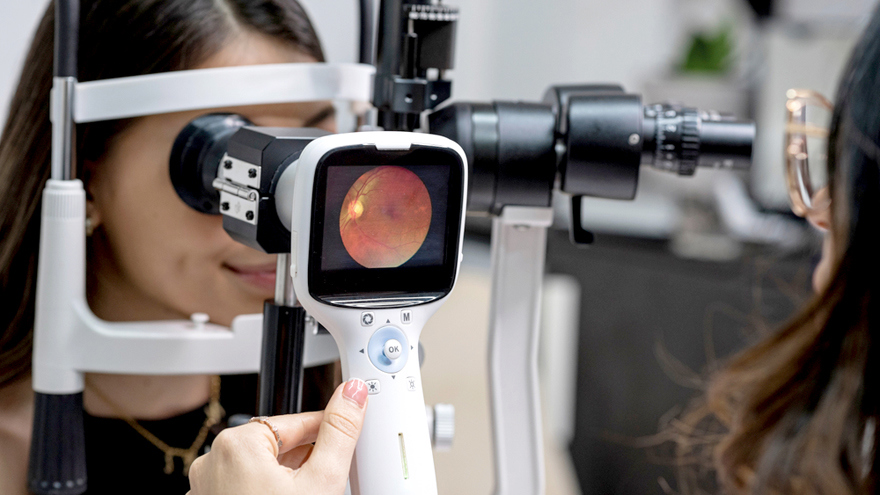
Assess the healing process: The first follow-up is typically scheduled within 24 to 48 hours after surgery to check for infections and ensure your eyes are healing well.
Long-term monitoring: Additional appointments may be scheduled to monitor vision stabilization and address any potential complications, such as dry eyes or light sensitivity.
Dr. Han often shares real recovery stories with patients to prepare them for what to expect, both in terms of visual changes and potential challenges.
Lifestyle Adjustments for a Smooth Recovery
To ensure optimal healing, there are a few things you should avoid during the recovery process:
Intense physical activity: Avoid strenuous activities like heavy lifting, running, or exercise for at least a few weeks to protect your eyes.
Swimming: Stay out of swimming pools and hot tubs for a month to reduce the risk of infection.
Rubbing your eyes: It’s crucial not to rub your eyes during recovery. This can disrupt healing and potentially cause complications.
By following these recommendations, you’ll maximize your chances of a smooth and successful recovery.
Vision Recovery: What to Expect
The recovery timeline can vary depending on the individual, but here’s a general overview of what you can expect:
Immediate results: Most patients notice improvements in their vision within hours of surgery, although it may still be blurry or cloudy.
Adjustment period: During the first few weeks, you might experience fluctuations in your vision. This is part of the natural healing process.
Long-term healing: Full stabilization of your vision can take anywhere from 3 to 6 months. During this time, your vision will continue to improve and adjust to the changes made during surgery.
Dr. Han and our team at Jryn Eye Clinic are dedicated to guiding you through every step of your recovery, ensuring you understand what to expect and how to manage any temporary side effects.
Conclusion
Proper preparation for vision correction surgery is essential to achieving the best possible outcome. At Jryn Eye Clinic, we’re committed to providing personalized care that goes beyond standard procedures. From your initial consultation with Dr. Han to post-surgery care, we’re with you every step of the way to ensure you experience a successful recovery and enjoy clearer, sharper vision.
By following the steps outlined in this guide, you’re setting yourself up for success. Whether you’re undergoing LASIK, SMILE LASIK, or EVO Visian ICL, Jryn Eye Clinic offers the expertise and care necessary for a transformative experience.
Ready for a Personalized 1:1 Eye Consultation?
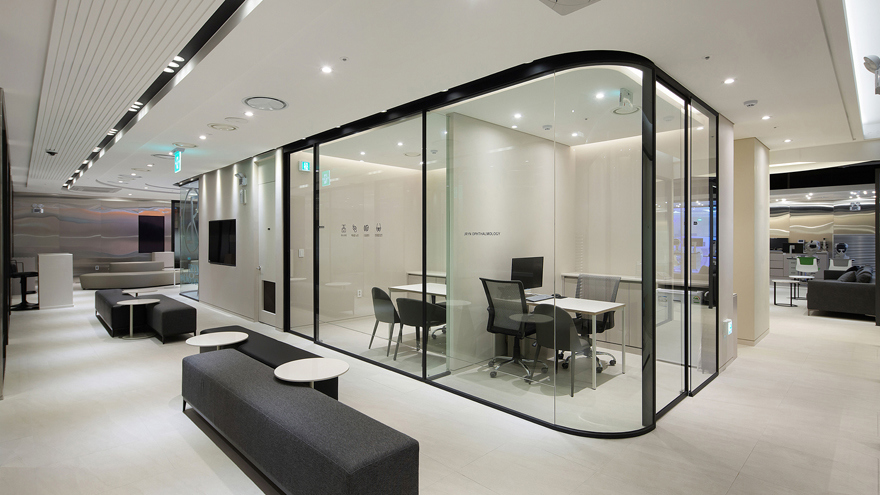
Schedule your comprehensive 3D eye examination with Chief Director Dr. Sang-Youp Han and our ophthalmology team on the 14th floor of JRYN Medical Center in Seomyeon, Busan.