Jryn Eye Clinic Busan (Seomyeon) · SMILE LASIK · EVO+ Visian ICL · Cataract & Retina Center · Tel: +82-51-710-1004
en-US

1:1 Consultation
CLINICAL ARTICLE & GUIDE
How to Keep Your Cornea Healthy for Life
Discover essential tips to maintain corneal health for life. Protect your vision with simple daily habits and expert advice. Learn more for lasting eye care!
Introduction
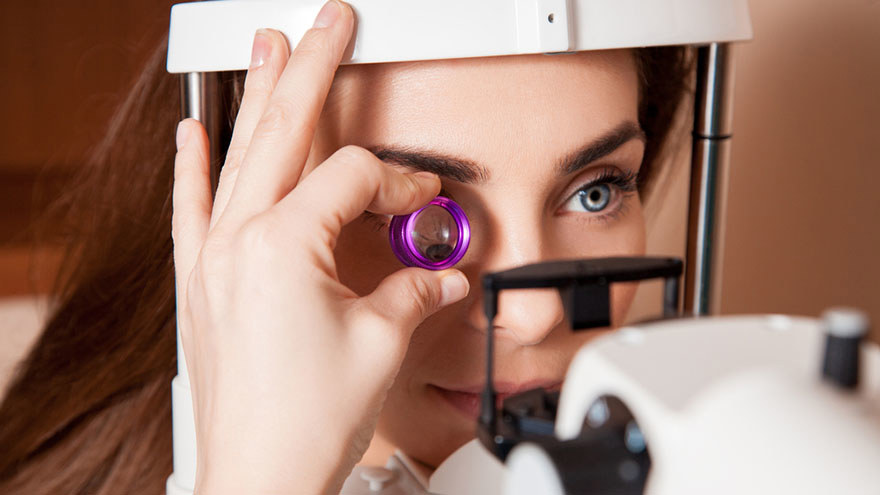
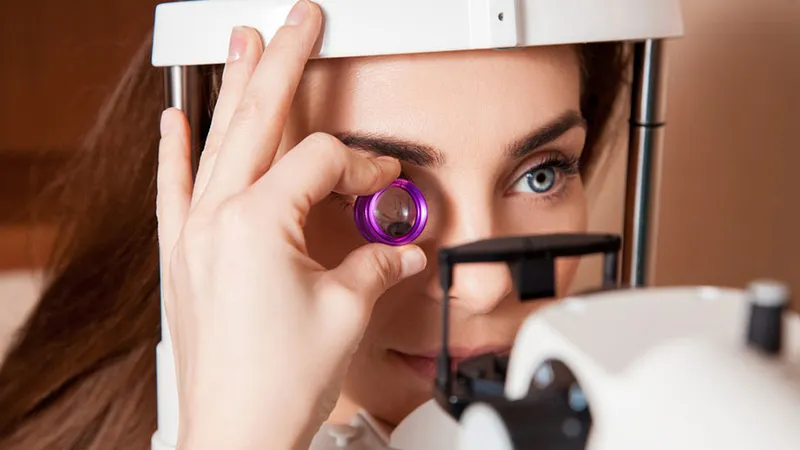
Your cornea plays a crucial role in protecting and preserving your vision. As the transparent, dome-shaped layer that covers the front of your eye, it is responsible for focusing light and acting as a barrier against harmful elements. Without a healthy cornea, clear vision is impossible. Unfortunately, many people overlook the importance of corneal health until problems arise, but the good news is that with simple, proactive steps, you can protect your cornea and maintain optimal eye health for a lifetime.
At Jryn Eye Clinic in Busan, we understand that vision is a precious asset, and we’re committed to helping our patients protect it with personalized, evidence-based care. Whether you’re trying to prevent issues like dry eye, keratoconus, or UV damage, there’s plenty you can do to ensure your cornea remains in great shape. In this guide, we’ll walk you through key habits and preventive measures that can help keep your cornea healthy—and ultimately, ensure that your vision stays clear and sharp for years to come.
Understanding the Cornea: Why It’s So Important
Before diving into how to protect the cornea, it’s essential to understand its function. The cornea is the transparent, dome-shaped surface that covers the front of your eye. It plays several key roles, including:
Focusing Light: The cornea helps focus light as it enters the eye.
Protecting the Eye: It acts as a barrier to dust, debris, and harmful microorganisms.
Refraction: Along with the lens, the cornea refracts light to ensure clear vision.
Given its role in focusing light, even small issues with the cornea can significantly impact your vision. Diseases like keratoconus, infections, and injury can lead to blurry vision, pain, and in severe cases, vision loss. Understanding how to keep it healthy is crucial for preventing these problems.
Keep Your Eyes Hydrated

Dry eyes can be one of the biggest culprits in corneal health issues. The cornea requires a constant layer of tears to stay moist and healthy. Without adequate moisture, the corneal cells can become damaged, leading to conditions like corneal abrasions, infections, and even scarring.
What You Can Do:
Use Artificial Tears: If you experience dryness, over-the-counter lubricating eye drops can help maintain moisture.
Stay Hydrated: Drinking plenty of water helps keep your eyes lubricated naturally.
Avoid Dry Environments: If possible, limit time spent in overly dry or windy environments. If you work in an office with air conditioning or heating, consider using a humidifier.
Blink More: This may sound simple, but remember to blink more frequently, especially when working on screens for long periods.
Pro Tip: If you're dealing with chronic dry eye, it’s worth consulting an ophthalmologist. At Jryn Eye Clinic, we offer advanced treatments for dry eye syndrome, such as LipiFlow therapy and other customized solutions to keep your eyes feeling comfortable all day.
Protect Your Eyes from Harmful UV Rays
Exposure to ultraviolet (UV) rays can damage the cornea over time, increasing the risk of cataracts and other eye conditions like macular degeneration. The cornea is especially vulnerable to UV radiation, which can lead to corneal burns and other long-term issues.
What You Can Do:
Wear Sunglasses: Always wear sunglasses that block 100% of UVA and UVB rays, even on cloudy days. This helps prevent corneal damage and reduces the risk of developing cataracts.
Use Hats: A wide-brimmed hat can provide additional protection from the sun, especially during peak sunlight hours.
Pro Tip: If you have a history of frequent sun exposure or work outdoors, it’s a good idea to get regular eye exams. Early detection of UV damage can help prevent serious conditions from developing.
Maintain Regular Eye Checkups
One of the most overlooked steps in corneal health is regular eye exams. Many corneal diseases, such as keratoconus or corneal dystrophies, don’t show obvious symptoms in the early stages. An eye exam can detect these problems early, allowing for more effective treatment.
What You Can Do:
Annual Eye Exams: Visit your ophthalmologist at least once a year for a comprehensive eye exam, especially as you age. At Jryn Eye Clinic, we use advanced imaging technology to assess corneal health and detect potential problems early.
Know Your Risk Factors: Certain conditions, like diabetes or a family history of eye disease, can increase the risk of corneal issues. Make sure to discuss these with your doctor so they can tailor your eye care plan accordingly.
Pro Tip: If you notice sudden vision changes, discomfort, or sensitivity to light, don't wait for your next scheduled exam—see your doctor immediately.
Avoid Eye Injuries
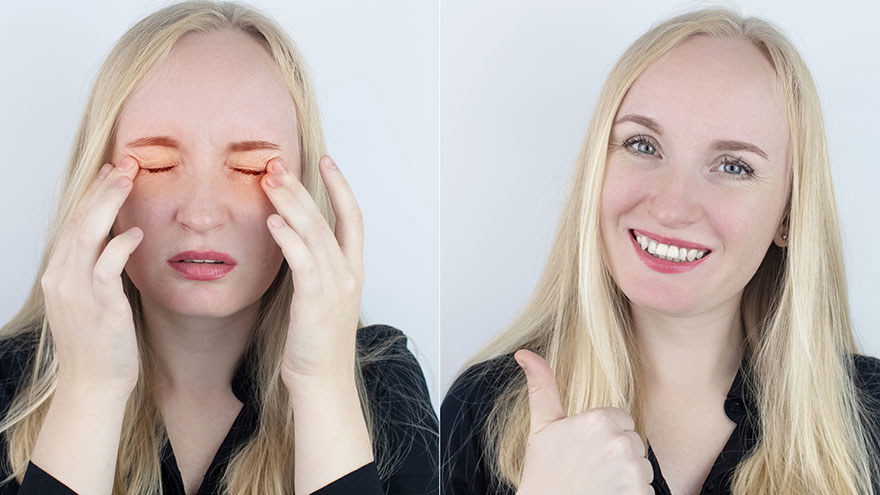
Accidental injuries to the eye are one of the leading causes of corneal damage. Whether it's from a sports activity, a household accident, or exposure to chemicals, a corneal injury can be both painful and damaging.
What You Can Do:
Wear Protective Eyewear: If you participate in sports or work with machinery, always wear protective eyewear to shield your eyes from potential hazards.
Handle Chemicals Carefully: Avoid direct contact with household cleaning agents or other chemicals. If you get chemicals in your eye, flush it immediately with clean water and seek medical attention.
Pro Tip: Corneal abrasions (scratches) can often be prevented with the right precautions. However, if you do get a scratch, don’t rub the eye. This could worsen the injury. Instead, seek professional care for appropriate treatment.
Don't Ignore Changes in Vision
Sometimes, your cornea can start to show signs of trouble without you even realizing it. Blurry vision, increased sensitivity to light, or seeing halos around lights can indicate corneal issues that require attention.
What You Can Do:
Monitor Your Vision: If you experience any vision changes, take note of them. These changes might seem minor at first, but they could point to issues with the cornea or other parts of the eye.
Seek Treatment Early: The sooner a corneal issue is detected, the more likely it is that treatment will be successful. For example, corneal transplants and surgeries like LASIK or SMILE LASIK can often improve vision and quality of life when administered early.
Be Mindful of Contact Lens Care
Contact lenses are convenient for many people, but improper use and poor hygiene can lead to corneal infections and other complications.
What You Can Do:
Practice Good Hygiene: Always wash your hands before handling your contact lenses and follow the recommended cleaning and storage instructions.
Limit Wear Time: Avoid wearing your contacts for too long. Give your eyes a break by removing them regularly, and avoid wearing them while sleeping unless prescribed.
Consider Alternatives: If you’re prone to eye infections or discomfort from contacts, discuss alternative vision correction options with your ophthalmologist. At Jryn Eye Clinic, we offer advanced treatments like EVO ICL (implantable contact lenses) as an alternative to glasses and contacts.
Consider Nutrition for Eye Health
A well-balanced diet rich in vitamins and antioxidants can go a long way in maintaining the health of your cornea and overall eye function.
What You Can Do:
Eat Vision-Boosting Foods: Foods rich in vitamin A, C, and E, such as carrots, spinach, and oranges, help nourish your eyes and protect against oxidative stress. Omega-3 fatty acids, found in fish like salmon, also support eye health.
Stay Healthy: Maintaining a healthy weight and managing conditions like diabetes can help prevent eye problems, including those related to the cornea.
Final Thoughts: Protecting Your Cornea, Protecting Your Vision
The health of your cornea is paramount to your overall eye health and quality of life. By staying proactive and incorporating the tips above into your daily routine, you can ensure that your cornea remains healthy for years to come. Regular check-ups, protecting your eyes from the sun and injury, and paying attention to any changes in vision can all help keep your eyes in top condition.
If you’re experiencing vision issues or need a comprehensive eye exam, don’t hesitate to contact Jryn Eye Clinic. Our expert team, led by Dr. Han Sang Yeop, is committed to providing personalized, precision-driven care for patients throughout Busan and beyond. Whether you're looking for preventive care or treatment for corneal conditions, we're here to help you see your best.
Ready for a Personalized 1:1 Eye Consultation?
Schedule your comprehensive 3D eye examination with Chief Director Dr. Sang-Youp Han and our ophthalmology team on the 14th floor of JRYN Medical Center in Seomyeon, Busan.