Jryn Eye Clinic Busan (Seomyeon) · SMILE LASIK · EVO+ Visian ICL · Cataract & Retina Center · Tel: +82-51-710-1004
en-US

1:1 Consultation
CLINICAL ARTICLE & GUIDE
How Patients Choose Between LASIK & EVO ICL
Discover how patients choose between LASIK & EVO ICL—compare benefits, risks & recovery times to find your best vision solution. Learn more today!

Introduction

Imagine waking up in the morning and seeing the world clearly without fumbling for glasses or reaching for contact lenses. For many people in Korea and around the world, this dream becomes a turning point—the moment they decide to explore vision correction surgery. But once that decision is made, another important question immediately follows: “Which procedure is right for me—LASIK or EVO ICL?”
This is not a small choice. Vision correction affects more than just eyesight; it influences daily comfort, long-term health, and even peace of mind. At Jryn Eye Clinic in Busanjin-gu, Busan, we guide patients through this exact decision every day. Some arrive with years of research already under their belt, while others are hearing about EVO ICL for the first time. What they all share is the desire for clarity—not only in vision but also in understanding their options.
In this article, we’ll walk through the differences between LASIK and EVO ICL, highlight the unique benefits and limitations of each, and share how real patients make their decisions. By the end, you’ll see why the choice is deeply personal and why an experienced clinic can make all the difference in guiding you toward the best solution.
LASIK: The Familiar Option
For many people, LASIK is the first procedure that comes to mind when they think of vision correction. It has been trusted worldwide for over 20 years and has helped millions achieve clear, unaided vision. During LASIK, a surgeon creates a thin flap on the surface of the cornea and then reshapes the underlying tissue with a laser so that light focuses correctly on the retina. The science is straightforward, but the results can feel nothing short of life-changing.
The biggest advantages of LASIK are its speed and predictability. The procedure itself usually takes less than 15 minutes for both eyes, and most patients notice sharper vision almost immediately afterward. Within a day or two, many are back at work, driving, or studying without glasses. In Korea, where efficiency and quick recovery are highly valued—whether for students preparing for exams or professionals balancing busy schedules—this makes LASIK particularly attractive.
That said, LASIK is not for everyone. The procedure permanently removes corneal tissue, which means it cannot be reversed. Patients with naturally thin or irregular corneas may not be good candidates. Some also develop temporary side effects such as dryness, glare, or halos around lights at night, especially in the early healing period. While these symptoms usually improve, people prone to dry eye may experience more lasting discomfort. For some patients, the idea of permanently altering the cornea feels reassuringly decisive, while for others, it feels too final.
EVO ICL: The Modern Alternative
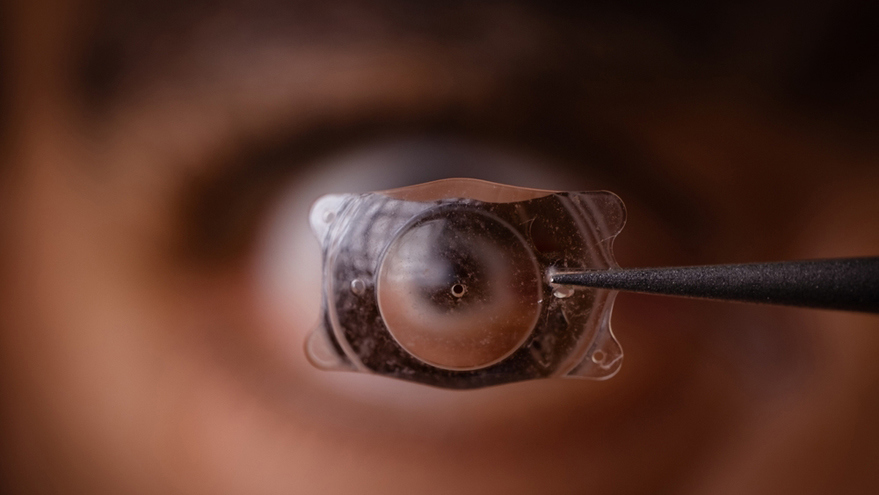
EVO ICL, also called the “implantable collamer lens,” represents a different philosophy of vision correction. Instead of reshaping the cornea, EVO ICL involves inserting a biocompatible lens inside the eye, just behind the iris and in front of the natural lens. The procedure is quick, and the lens is invisible to the naked eye once implanted.
The advantages are significant. EVO ICL is reversible—if vision changes with age or if the patient’s preferences shift, the lens can be removed or replaced. It also works beautifully for patients with high myopia, thin corneas, or those who want to preserve corneal integrity. At our clinic, we’ve seen patients with prescriptions too strong for LASIK regain crystal-clear vision with EVO ICL. Another quiet benefit is that EVO ICL tends to cause fewer dry eye problems compared to LASIK, making it attractive for people already struggling with dryness.
Of course, ICL comes with its own considerations. It requires a slightly more invasive procedure than LASIK, involves higher upfront cost, and may carry a small risk of cataract development over decades. But for many patients, these factors are outweighed by the long-term flexibility and stability it provides.
Comparing Recovery: LASIK vs EVO ICL
One of the most common concerns patients have is: “How long will it take before I can see normally again?” Both LASIK and EVO ICL deliver quick results, but the recovery experience is slightly different.
LASIK Recovery: Most patients notice improved vision almost immediately after surgery, with significant clarity by the next day. Dryness, glare, or halos around lights may occur temporarily but usually improve within weeks. Full stabilization often occurs within 1–3 months. Because LASIK involves a corneal flap, patients must avoid rubbing their eyes or swimming for several weeks.
EVO ICL Recovery: Vision also improves quickly, often within a day or two, though some patients report slightly blurred or foggy vision initially as the eye adjusts to the new lens. Because no corneal tissue is removed, the risk of flap-related complications doesn’t exist. Patients generally return to normal activities within a week, and the eye adapts naturally to the implanted lens. Long-term comfort tends to be excellent, with fewer reports of chronic dry eye.
How Patients Decide: What Really Matters

While technology and medical suitability play a role, the final decision often rests on personal values and lifestyle. Here are some of the real-life considerations we hear every week at Jryn Eye Clinic:
Eye Anatomy: Corneal thickness, curvature, and overall eye health often narrow down the options right away. Thin corneas may eliminate LASIK, making EVO ICL the safer route.
Lifestyle: Athletes, pilots, and people in physically demanding jobs often prefer EVO ICL for its durability and reversibility. On the other hand, students and young professionals may lean toward LASIK for its affordability and speed.
Personality: Some people prefer a permanent, no-maintenance solution (LASIK). Others feel more comfortable knowing their decision is reversible (ICL).
Long-Term Vision Plans: Patients in their 20s often look for the most convenient and cost-effective solution, while those in their 30s and 40s begin to think more about how their vision correction will affect them for the next 20–30 years.
What people often overlook is the role of emotion in the decision. Choosing a vision correction method isn’t just about medical facts—it’s also about how safe and confident the patient feels. For example, one of our recent patients described LASIK as “like carving into my eye” and instantly preferred EVO ICL once they learned it was reversible. Another patient wanted the “freedom from implants” and chose LASIK despite a slightly higher risk of dry eye.
What We Tell Patients at Jryn Eye Clinic
To be honest, no amount of online reading or well-meaning advice from friends can replace a proper diagnostic consultation. At Jryn Eye Clinic, we rely on advanced imaging to examine every detail of the eye, from corneal maps to lens position and tear film quality. But we don’t stop at the scans—we sit down and talk. We ask about work, hobbies, personality, and long-term vision goals. Our philosophy is simple: precision, personalization, and patience. Surgery is not just about correcting vision; it’s about aligning treatment with the patient’s life.
When patients leave our clinic with a plan—whether it’s LASIK, EVO ICL, or another option—they often say they feel lighter. That’s because the stress of “choosing right” disappears once the decision is guided by evidence and expert care.
Conclusion: The Choice Is Personal, but Never Alone
Both LASIK and EVO ICL are safe, effective, and life-changing procedures when performed by skilled specialists. The key difference lies not in which is better universally, but in which is better for you. Your eye anatomy, your lifestyle, and your long-term expectations should all shape the decision.
If you’ve been struggling to choose between LASIK and EVO ICL, remember this: you don’t have to make the decision alone. A trusted clinic with experience in both procedures will guide you with honesty and precision. At Jryn Eye Clinic in Busan, our role is not to push one method over the other, but to help you find the treatment that feels right for your eyes and your future.
If clear, comfortable vision has been on your mind, consider scheduling a consultation with our team. With today’s technology and the right guidance, you can move confidently toward a lifetime of healthier, sharper vision.
Ready for a Personalized 1:1 Eye Consultation?
Schedule your comprehensive 3D eye examination with Chief Director Dr. Sang-Youp Han and our ophthalmology team on the 14th floor of JRYN Medical Center in Seomyeon, Busan.