Jryn Eye Clinic Busan (Seomyeon) · SMILE LASIK · EVO+ Visian ICL · Cataract & Retina Center · Tel: +82-51-710-1004
en-US

1:1 Consultation
CLINICAL ARTICLE & GUIDE
How Much for Vision Correction Surgery in Korea? 30% Cheaper Than Russian Price
Discover how much vision correction surgery costs in Korea — often up to **30% cheaper than Russian prices** — with top clinics, advanced tech, and quality care options.
Introduction
For many people struggling with glasses or contact lenses, the dream of waking up with clear sight is often dampened by the high cost of medical care. In major Russian cities, the price for premium refractive procedures has climbed steadily, leaving many to wonder if "HD vision" is a luxury they can afford. However, a global shift is occurring. Patients from Moscow to Vladivostok are now looking East to Seoul.
When comparing the global medical landscape, South Korea is widely recognized as the cheapest and best for treatment. It offers a unique combination of the world’s most advanced medical hardware and a pricing structure that is consistently 30% to 40% lower than private clinics in Russia. Choosing Vision Correction Surgery in Korea isn’t just about saving money; it is about accessing a level of surgical precision that has become the global gold standard.
Understanding Vision Correction Surgery: Beyond Basic LASIK
Vision Correction Surgery is a general term for several different procedures designed to fix refractive errors like nearsightedness (myopia), farsightedness (hyperopia), and astigmatism. While most people have heard of LASIK, the field has advanced significantly.
Modern Surgical Options
SMILE Pro: The latest evolution in laser surgery. It uses a tiny 2mm incision and no "flap," leading to faster healing and less dry eye.
LASIK/LASEK: Proven laser methods that reshape the cornea to focus light correctly.
ICL (Implantable Collamer Lens): Often called "Permanent Contact Lenses," these are ideal for patients with thin corneas or very high prescriptions who are not candidates for laser surgery.
The goal of any Vision Correction Surgery in a top-tier Korean center is to achieve 1.0 (20/20) vision or better. Before any laser touches your eye, you undergo a "50-Step Comprehensive Exam" that maps every micron of your eye's surface to ensure you are a safe candidate.
Technology Comparison: Seoul vs. The Rest of the World
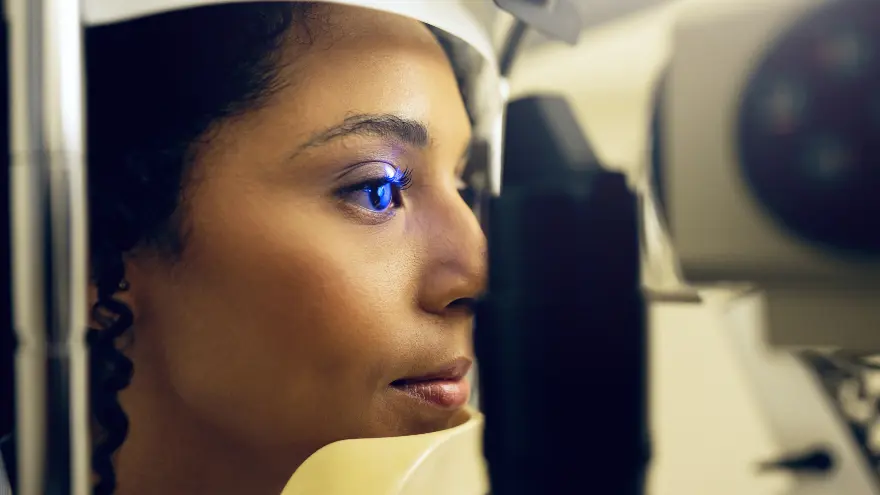
The technology gap is perhaps the most compelling reason to travel. South Korea often adopts the newest German and Swiss laser platforms 2 to 3 years before they become widely available in other markets.
Robotic Precision and AI
Korean clinics utilize AI-integrated diagnostics that create a digital twin of your eye. This eliminates human error in measurements. For example, the use of the VisuMax 800 laser (for SMILE Pro) allows for a procedure that takes less than 10 seconds per eye.
Safety and Hygiene
Leading Korean ophthalmology centers are often JCI-accredited. This means they follow the same rigorous safety and sterilization protocols as the top hospitals in the United States. This "zero-infection" environment is a primary reason why Korea is considered the best for treatment.
Why South Korea is the Cheapest and Best for Treatment
It may seem strange that a more advanced service costs less. This is explained by three specific factors:
The Volume Advantage: In districts like Gangnam, a single clinic may perform more Vision Correction Surgery procedures in a month than a small Russian clinic does in a year. This high turnover allows hospitals to lower their operational costs per patient.
All-Inclusive Packages: In Russia, you might receive five different bills: one for the exam, one for the surgeon, one for the medication, and more for follow-ups. In Korea, international patients receive a "single bill" that covers everything.
Government Incentives: South Korea provides a VAT (Tax) refund of 7% to 10% specifically for medical tourists. This is a direct cash-back benefit you receive at the airport.
Cost Breakdown: South Korea vs. Russian Private Clinics
When we look at the numbers, South Korea remains the cheapest and best for treatment because the price includes premium consumables (like authentic Staar Surgical ICL lenses) that are often subject to heavy import markups in Russia.
Procedure Type | Price in Russian Private Clinics | Price in South Korean Centers | Estimated Savings |
|---|---|---|---|
SMILE Pro (Both Eyes) | $4,800 – $6,000 | $2,800 – $3,500 | ~40% |
ICL (Lens Implants) | $6,500 – $8,500 | $4,000 – $5,500 | ~35% |
LASIK / LASEK | $2,500 – $3,500 | $1,200 – $1,800 | ~50% |
Comprehensive Diagnostics | $300 – $500 | Included in Package | 100% |
Airport VAT Refund | None | 7% – 10% Cash Back | Extra Savings |
The Patient Journey: A 3-Day Transformation
Traveling for Vision Correction Surgery is surprisingly efficient. Most patients only need to stay in Seoul for a few days.
Day 1: The 50-Step Exam. This includes corneal mapping and DNA testing to rule out rare genetic conditions.
Day 2: Surgery & Recovery. The actual surgery takes about 10–15 minutes. Most patients notice a "wow" moment in clarity just a few hours later.
Day 3: Final Check & Freedom. A post-op check ensures the eye is healing perfectly. After this, you are free to enjoy local sightseeing or fly home.
Decision-Making: How to Choose the Right Korean Clinic
Not all clinics are equal. When choosing where to have your Vision Correction Surgery, consider the following:
Surgeon Case Load: Look for clinics where surgeons have performed 10,000+ successful SMILE or ICL procedures. Expertise comes from repetition.
Russian Support Systems: Ensure the clinic has in-house medical coordinators who speak Russian. They act as your advocate and bridge the communication gap.
Aftercare Guarantees: The best clinics provide lifetime vision management and detailed digital records you can share with your doctor back home.
Essential Questions for Your Surgeon
Before you undergo Vision Correction Surgery, ask these key questions:
"Is my corneal thickness sufficient for a second 'touch-up' enhancement if my vision changes years from now?"
"Are the ICL lenses being used the latest EVO+ models?"
"What specific laser platform will be used for my surgery, and why is it best for my eye shape?"
Frequently Asked Questions
1. Is it safe to fly immediately after vision correction?
Most patients are cleared to fly within 48 to 72 hours. The "no-blade" techniques used in Korea minimize sensitivity to cabin pressure, making travel safe and comfortable.
2. How is Korea the cheapest and best for treatment if it's so high-tech?
It is a matter of scale. By performing thousands of surgeries, Seoul clinics can negotiate wholesale prices for medical supplies and technology, passing those savings directly to you.
3. Will there be a language barrier during my surgery?
No. Leading centers provide professional Russian-speaking medical coordinators who stay with you from the initial exam through to the surgery and final check-up.
4. How do I claim my 10% tax refund?
Simply show your passport at the clinic. They will provide a "Tax-Free" receipt which you can scan at a kiosk at the airport for an immediate cash refund.
5. What happens if I need a follow-up after I return to Russia?
Top clinics provide you with a digital passport of your surgery. If you need a local check-up, your Russian doctor will have all the precise data needed to monitor your progress.
Conclusion
Investing in your eyes is one of the few medical decisions that provides a 24/7 improvement to your quality of life. In the past, the high cost of premium technology meant many had to settle for older surgical methods or continue wearing glasses.
Paying 30% more for older technology in a local clinic no longer makes sense when South Korea is the cheapest and best for treatment. By choosing Seoul, you are choosing a future of crystal-clear vision supported by the world’s best surgeons and most advanced technology.
Ready for a Personalized 1:1 Eye Consultation?
Schedule your comprehensive 3D eye examination with Chief Director Dr. Sang-Youp Han and our ophthalmology team on the 14th floor of JRYN Medical Center in Seomyeon, Busan.