Jryn Eye Clinic Busan (Seomyeon) · SMILE LASIK · EVO+ Visian ICL · Cataract & Retina Center · Tel: +82-51-710-1004
en-US

1:1 Consultation
CLINICAL ARTICLE & GUIDE
How Much for Ultrasound Multifocal Cataractin Korea? 30% Cheaper Than Russian Price
Learn how much ultrasound multifocal cataract surgery costs in Korea — often up to 30% cheaper than Russian prices with advanced technology, expert surgeons, and quality care.
Introduction
For many people, the world begins to lose its sharpness as they enter their 50s and 60s. Colors fade, night driving becomes a hazard, and the constant reach for reading glasses becomes a daily burden. This isn’t just aging; it’s often the onset of cataracts and presbyopia.
While traditional surgery used manual blades and basic lenses, a new standard has emerged: Ultrasound Multifocal Cataract Surgery. Today, South Korea has become the global hub for this procedure, offering a "Gold Standard" of care that is significantly more accessible than private clinics in Moscow or St. Petersburg. By choosing Seoul, international patients are accessing robotic-level precision at a price point that is often 30% to 50% lower than the Russian private sector.

The Vision Independence Revolution
The "foggy window" effect of a cataract can make life feel increasingly small. Daily tasks like reading a menu or recognizing a friend's face from across the street become challenges. In the past, cataract surgery only focused on clearing the "fog," but modern Ultrasound Multifocal Cataract Surgery aims higher: total vision independence.
South Korea is currently the global leader in this field, often referred to as the "Silicon Valley of Ophthalmology." In Seoul’s specialized districts like Gangnam, the concentration of world-class technology and high-volume surgical expertise has created a unique medical ecosystem. Here, patients from the CIS region and Russia can access premium European and American lens technology—such as Zeiss, Alcon, or the latest Johnson & Johnson Odyssey—at a fraction of the cost found in their home countries. South Korea is the cheapest and best for treatment because it combines ultra-advanced robotics with an efficient, patient-centered workflow.
What is Ultrasound Multifocal Cataract Surgery?
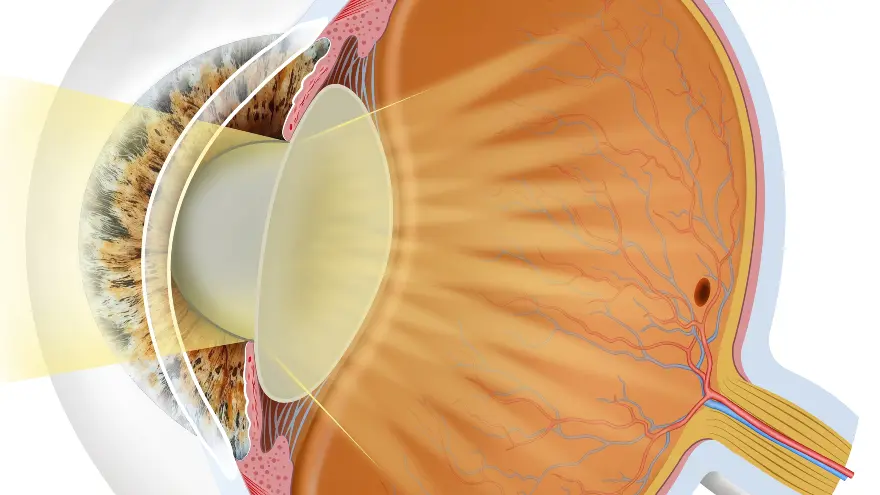
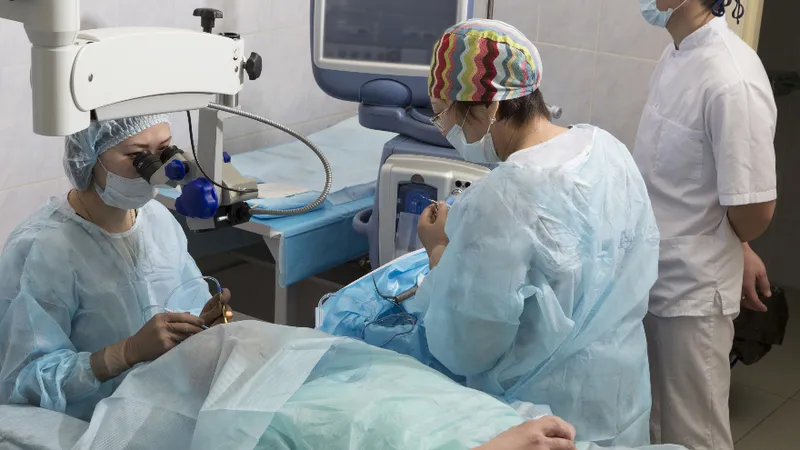
Standard cataract surgery, technically known as phacoemulsification, uses ultrasound energy to gently break up the cloudy natural lens. Once the lens is emulsified, it is removed through a microscopic incision, and an artificial lens is inserted.
The Multifocal (Premium IOL) Difference
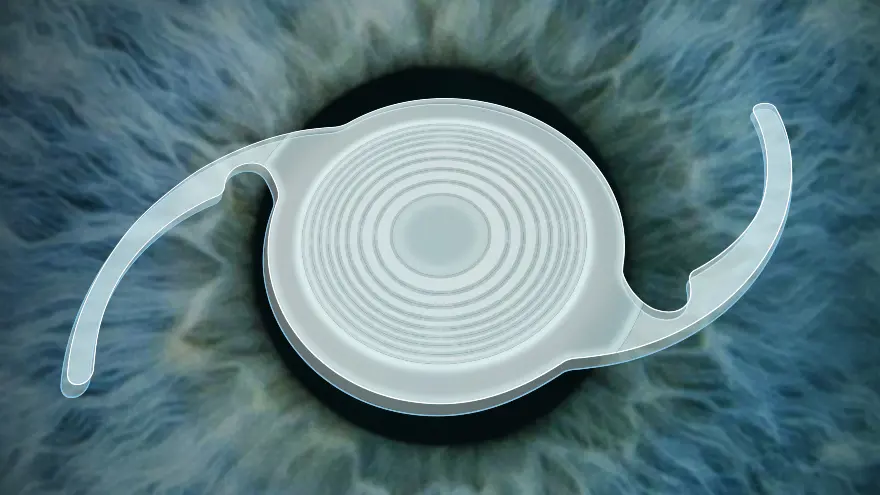
The true revolution lies in the Multifocal Intraocular Lens (IOL). Unlike standard "monofocal" lenses that only provide clear vision at one distance (usually far away), multifocal lenses are engineered with multiple focal points.
Near Vision: For reading books or using a smartphone.
Intermediate Vision: For computer work or seeing the car dashboard.
Far Vision: For driving and watching television.
In South Korea, surgeons utilize a "hybrid" approach, combining high-frequency ultrasound efficiency with laser-guided diagnostic precision. This ensures that the premium lens is perfectly centered, which is the most critical factor for achieving high-definition results with multifocal optics.
Candidacy: Is This Procedure Right for You?
Not everyone is a candidate for multifocal lenses, but for the right person, the results are life-changing.
The Ideal Candidate
Active Lifestyles: Golfers, drivers, and frequent travelers benefit most from being glasses-free.
Digital Professionals: Those who spend hours on laptops or tablets and need clear intermediate vision.
Presbyopia Patients: If you already struggle with reading glasses due to age, this surgery corrects both the cataract and the presbyopia simultaneously.
Who Should Wait?
Patients with advanced macular degeneration, severe glaucoma, or certain corneal dystrophies may be advised to choose a different lens type. This is why Korea’s rigorous "50-Step Eye Exam" is vital; it identifies these nuances before you ever enter the operating room.
Why South Korea is the Cheapest and Best for Treatment
It is a common misconception that "cheaper" implies a compromise in quality. In South Korea, the lower price is a direct result of market volume and extreme efficiency.
Economies of Scale: Top-tier Seoul clinics perform thousands of cataract surgeries every month. Because of this high volume, they can purchase premium IOLs and ultrasound platforms at direct manufacturer rates, passing those savings to the patient.
The Gangnam Factor: With hundreds of clinics competing within a single district, clinics must offer the latest technology at the most competitive rates to attract international patients.
The All-Inclusive System: Unlike many Western or Russian clinics that charge per test, Korea uses a "One-Price" bundle that includes everything from DNA testing to post-op medications.
Cost Breakdown: South Korea vs. Russian Private Sector
When comparing costs, it is vital to look at the "all-inclusive" price. South Korea provides a premium experience for a significantly lower total investment.
Comparative Cost Table (Estimated in USD)
Service / Component | Russian Private Clinics | South Korea (Seoul) | Why Korea is Best |
|---|---|---|---|
Surgery (Per Eye) | $3,500 – $5,500 | $2,500 – $3,800 | Cheapest & Best global rates |
Premium Multifocal IOL | High Import Markup | Direct Manufacturer Cost | Direct partnerships with Zeiss/Alcon |
Advanced Diagnostics | $300 – $500 | Included (Free) | Comprehensive 50-step screening |
Post-Op Meds & Care | Extra Charges | Included | Full recovery kit provided |
Tax Benefits | 0% | Promotional Cashback | Up to 10% back via specialized platforms |
Exclusive Technology: The "Visual Axis" Advantage
In multifocal surgery, centration is everything. If the lens is even slightly off-center, the patient may experience glares or halos.
Korean clinics excel in Visual Axis Alignment. Instead of just centering the lens in the middle of the pupil (which is the manual standard), surgeons use robotic guidance to align the lens with your actual line of sight. Using systems like the Centurion or the Zepto Precision Pulse, they can create a lens opening in milliseconds with micron-level accuracy. This technological edge is why patients often report "High-Definition" vision that surpasses what they had even in their youth.
The 72-Hour Medical Workflow in Seoul
Korean clinics are world-famous for their efficiency. The entire process is optimized for international travelers:
Day 1: The Diagnostic Marathon: You spend 2–3 hours undergoing intensive 3D imaging and DNA testing to map your eye's unique anatomy.
Day 2: The Procedure: The actual surgery takes about 15 minutes per eye. There is zero pain; the team uses only numbing drops. You walk out of the clinic on your own immediately after.
Day 3: Final Inspection: A follow-up exam confirms the stability of the lens. You are issued an English or Russian "Medical Passport" detailing your surgery and lens serial numbers.
Essential Questions to Ask Your Surgeon
Before booking, we recommend a virtual consultation. Ask these critical questions:
"Which specific brand of multifocal IOL (e.g., Alcon PanOptix or Zeiss AT LISA) do you recommend for my lifestyle?"
"Do you use robotic assistance like Zepto for lens centration?"
"Is the quoted price all-inclusive of diagnostics and post-operative medications?"
Frequently Asked Questions
1. How much does multifocal cataract surgery cost in Korea?
South Korea is the cheapest and best for treatment, with prices generally ranging from $2,500 to $3,800 per eye for premium multifocal options. This typically includes the high-end lens, the surgery, and all advanced diagnostics, offering a total saving of roughly 30% to 50% compared to private Russian clinics.
2. Is the ultrasound procedure painful?
No. Your eyes are completely numbed with specialized anesthetic drops. You remain awake and relaxed. You might feel a slight sensation of water or pressure for a few minutes, but there is no sharp pain or needles involved.
3. How soon can I see clearly after surgery?
Most patients report a "wow" moment within 24 hours. While your vision will continue to sharpen over a few weeks as your brain adapts to the new optics, you can usually return to work or light activities within 48 hours.
4. Why are Korean clinics 30% cheaper than Russian clinics?
The lower cost is due to massive surgical volume, government-backed medical infrastructure, and intense competition. Because Seoul is the global hub for eye surgery, clinics can offer manufacturer-direct pricing on lenses while maintaining the world's highest safety standards.
5. Can I fly home right after the surgery?
We advise waiting 48–72 hours to ensure the eye has stabilized against cabin pressure changes. This fits perfectly into a 3-to-4-day travel itinerary.
Conclusion
As we age, our vision should be an asset, not a limitation. While the cost of premium eye care in the Russian private sector continues to rise, South Korea remains a beacon of accessible excellence. By choosing Ultrasound Multifocal Cataract Surgery in Seoul, you aren't just choosing a "cheaper" option—you are choosing a higher tier of robotic safety and a life free from the burden of glasses.
Ready for a Personalized 1:1 Eye Consultation?
Schedule your comprehensive 3D eye examination with Chief Director Dr. Sang-Youp Han and our ophthalmology team on the 14th floor of JRYN Medical Center in Seomyeon, Busan.