Jryn Eye Clinic Busan (Seomyeon) · SMILE LASIK · EVO+ Visian ICL · Cataract & Retina Center · Tel: +82-51-710-1004
en-US

1:1 Consultation
CLINICAL ARTICLE & GUIDE
How Aging Impacts Retinal Health and What You Can Do to Prevent Vision Loss
Learn how aging affects the retina and discover preventive measures, including diet, exercise, and regular eye exams, to protect your vision as you grow older.
Introduction
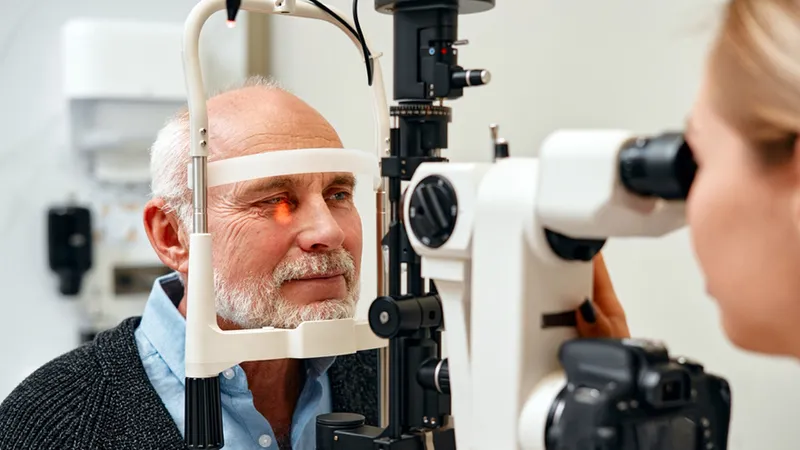
As we age, maintaining eye health becomes increasingly important. The retina, a vital part of the eye responsible for capturing light and sending visual signals to the brain, is especially affected by the passage of time. While age-related changes are inevitable, there are steps you can take to preserve your vision and minimize the risk of retinal diseases. By staying informed and proactive, you can maintain the quality of your eyesight throughout the aging process.
What is the Retina and Why Does it Matter?
The retina is located at the back of your eye and serves as the light-sensitive layer that converts light into electrical signals that your brain interprets as images. The macula, a small part of the retina, plays a crucial role in central vision, helping you focus on details like reading or recognizing faces. The retina's ability to process light and transmit information is vital for overall visual clarity.
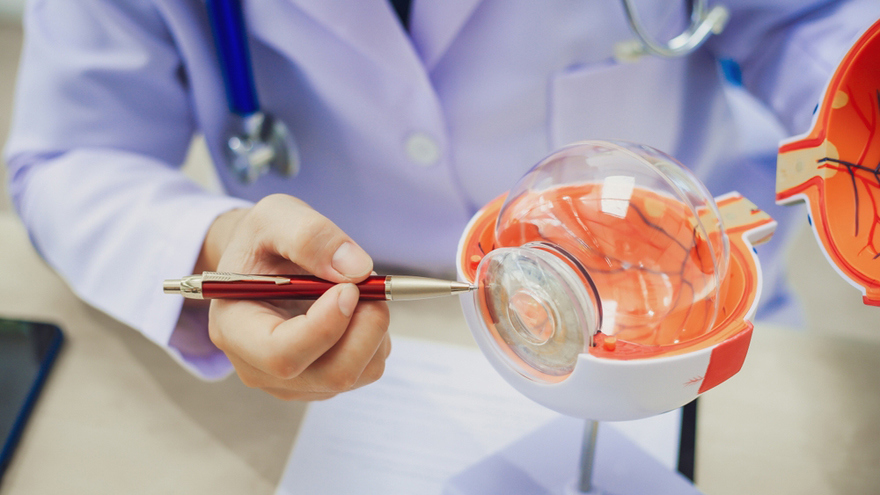
However, as we age, the retina's ability to function optimally begins to decline. Aging impacts its repair processes and reduces blood flow to the eye, which can make it more vulnerable to diseases like age-related macular degeneration (AMD) and diabetic retinopathy. Understanding these changes is essential for protecting your vision as you grow older.
Common Retinal Diseases Associated with Aging
Aging increases the likelihood of developing certain retinal diseases. These include:
Age-Related Macular Degeneration (AMD)
AMD is the leading cause of vision loss in people over 50. It primarily affects the macula, responsible for sharp, central vision. There are two types of AMD:
Dry AMD: Characterized by the gradual thinning of the macula, leading to slow, progressive central vision loss.
Wet AMD: Less common but more severe, wet AMD occurs when abnormal blood vessels leak fluid into the retina, causing sudden and significant vision loss.
Research indicates that genetics, smoking, and poor diet are major contributing factors to AMD, though the exact cause remains unknown.
Diabetic Retinopathy
People with diabetes are at risk for diabetic retinopathy, a condition where high blood sugar damages the blood vessels in the retina. Over time, weakened or leaky blood vessels can impair the retina's ability to receive the nutrients and oxygen it needs, leading to vision problems. Regular management of blood sugar is key to preventing this condition from worsening.
Retinal Degeneration
Retinal degeneration refers to the gradual breakdown of the retina due to aging or other factors. This condition is often linked to oxidative stress, which accelerates retinal cell damage. Symptoms can be subtle in the early stages, but over time, the damage can result in permanent vision loss. Early detection is essential for managing the condition before it advances.
How Aging Affects Retinal Health
The aging process can significantly impact the retina's health and its ability to perform essential functions:
Reduced Repair Ability: As we age, the retina becomes less efficient at repairing itself, increasing its susceptibility to damage from oxidative stress or injury.
Decreased Blood Flow: Aging causes a reduction in blood supply to the retina, limiting its access to essential nutrients and oxygen.
Decline in Central Vision: The macula, crucial for sharp, detailed vision, becomes less effective, making tasks like reading or driving more difficult.
Sensitivity to Light: Older adults may experience more difficulty adjusting to changes in light, especially in dim or low-light environments.
Increased Oxidative Stress: Free radicals, unstable molecules that damage retinal cells, accumulate over time, contributing to diseases like AMD.
These changes make the retina more prone to age-related diseases, but there are steps you can take to minimize their impact.
Recognizing the Early Signs of Retinal Disease
Early detection of retinal diseases is critical for effective treatment and preventing permanent vision loss. Here are some signs to watch out for:
Blurred or Distorted Vision: If straight lines appear wavy or if reading becomes difficult, it could indicate early retinal problems.
Difficulty Seeing in Low Light: The aging retina becomes less efficient at adjusting to dim lighting, which can lead to problems seeing at night.
Decreased Color Vision: Faded or less vibrant colors may signal changes in the retina.
Blind Spots: The appearance of dark or blank spots in your vision can be a sign of retinal damage.
Flashes of Light or Floaters: Sudden flashes of light or an increase in floaters may suggest retinal tears or detachment.
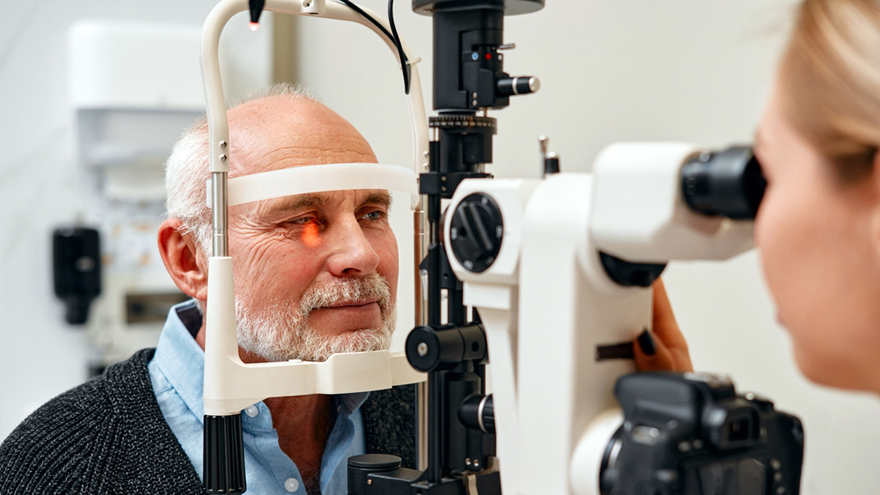
If you notice any of these symptoms, schedule an appointment with an eye specialist to get a comprehensive eye exam and discuss your options for treatment.
Key Risk Factors for Retinal Diseases
Several factors can increase the risk of developing retinal diseases as we age. These include:
Age: The risk of conditions like AMD rises significantly after the age of 50.
Genetics: A family history of retinal diseases can increase your likelihood of developing similar conditions.
Lifestyle Factors: Smoking and poor dietary habits contribute to retinal damage. A diet high in processed foods and low in essential nutrients can exacerbate aging-related retinal degeneration.
Chronic Conditions: Diabetes and hypertension can lead to diabetic retinopathy and hypertensive retinopathy if not properly managed.
UV Exposure: Long-term exposure to ultraviolet (UV) light can damage retinal cells and accelerate aging.
Although some of these factors are unavoidable, managing lifestyle choices, controlling chronic health conditions, and protecting your eyes from UV exposure can help reduce your risk.
Nutrition and Its Role in Retinal Health
A balanced, nutrient-rich diet can play a significant role in protecting the retina and maintaining its function. Key nutrients for retinal health include:
Antioxidants: Vitamins C and E protect retinal cells from oxidative stress, which accelerates retinal aging.
Lutein and Zeaxanthin: Found in leafy green vegetables like kale and spinach, these carotenoids filter harmful blue light and protect the macula.
Omega-3 Fatty Acids: Present in fatty fish, omega-3s help reduce inflammation and support overall eye health.
Zinc: This mineral is crucial for maintaining retinal function and is found in foods like oysters and pumpkin seeds.
Beta-Carotene: A precursor to Vitamin A, beta-carotene supports night vision and is abundant in carrots and sweet potatoes.
The Mediterranean diet, rich in antioxidants, healthy fats, and whole foods, is particularly beneficial for retinal health. Additionally, consulting with an eye specialist before taking supplements is important for ensuring they meet your specific needs.
The Importance of Retinal Screening and Early Detection
Regular eye exams are crucial for detecting retinal diseases early, especially as you age. Many conditions, like AMD and diabetic retinopathy, develop gradually and may not cause noticeable symptoms in the early stages. However, with modern retinal screening technology, it's easier than ever to identify issues before they progress.
Some of the latest advancements in retinal screening include:
Optical Coherence Tomography (OCT): OCT provides detailed images of the retina, allowing ophthalmologists to detect early signs of disease, such as swelling or thinning.
Fluorescein Angiography: This test uses a special dye to assess blood flow in the retina, making it useful for diagnosing diabetic retinopathy and wet AMD.
If you're over 60 or have a family history of retinal diseases, it's important to schedule an eye exam regularly to ensure early detection.
Preventive Measures to Protect Your Retinal Health
To keep your retina healthy and reduce the risk of age-related conditions, follow these preventive measures:
Eat a Nutrient-Rich Diet: Incorporate foods rich in antioxidants, omega-3 fatty acids, and vitamins to support retinal health.
Exercise Regularly: Physical activity improves circulation, ensuring the retina receives adequate oxygen and nutrients.
Quit Smoking: Smoking accelerates oxidative damage and is a significant risk factor for retinal diseases.
Manage Chronic Health Conditions: Control diabetes, hypertension, and cholesterol levels to reduce the risk of diabetic and hypertensive retinopathy.
Wear UV-Protective Sunglasses: Protect your eyes from UV light, which can damage retinal cells over time.
Get Regular Eye Exams: Comprehensive eye exams are essential for monitoring retinal health and detecting diseases early.
The Role of Jryn Eye Clinic in Retinal Health

At Jryn Eye Clinic, we are dedicated to providing the highest level of care for retinal health, combining our extensive experience with cutting-edge technology. With over 20 years of clinical expertise in comprehensive ophthalmology, our clinic is well-equipped to manage a wide range of retinal diseases and conditions.
We employ state-of-the-art diagnostic tools to ensure accurate and early detection of retinal issues. Our VisuMax femtosecond laser allows for highly precise imaging and treatment, while advanced 3D imaging provides detailed views of the retina, helping us to better understand and address any concerns before they become severe.
Our team of expert ophthalmologists includes:
Dr. Han Sang Yeop, the founder and representative director of Jryn Eye Clinic, whose international expertise in vision correction and retinal care has earned global recognition.
Dr. Heo Joong Gu, our chief ophthalmologist, known for his extensive experience in complex eye surgeries, including the treatment of retinal disorders.
Dr. Lee Jae Jung, an ophthalmic surgeon and researcher, who continually contributes to advancements in the field of retinal health and ophthalmology.
Together, our team works collaboratively to develop personalized treatment plans tailored to each patient's unique needs, whether you are seeking preventive care or need advanced treatments for existing retinal conditions. At Jryn Eye Clinic, we ensure that our patients receive the most advanced, safe, and effective care available, empowering you to maintain healthy vision as you age.
Conclusion: Take Action to Protect Your Vision
Aging doesn’t have to mean inevitable vision loss. By staying proactive about retinal health—through proper nutrition, regular screenings, and lifestyle changes—you can significantly reduce the risk of developing vision-threatening conditions. Early detection is key to preserving your eyesight as you age, so make sure to stay on top of your eye health and consult with an eye specialist if you notice any changes.
Ready for a Personalized 1:1 Eye Consultation?
Schedule your comprehensive 3D eye examination with Chief Director Dr. Sang-Youp Han and our ophthalmology team on the 14th floor of JRYN Medical Center in Seomyeon, Busan.