Jryn Eye Clinic Busan (Seomyeon) · SMILE LASIK · EVO+ Visian ICL · Cataract & Retina Center · Tel: +82-51-710-1004
en-US

1:1 Consultation
CLINICAL ARTICLE & GUIDE
Headaches After LASIK: Normal or Not?
Headaches after LASIK surgery explained—learn causes, when it’s normal, and when to see a doctor. Get clarity on recovery and eye health today!

Introduction: The Excitement—and the Worry—After LASIK

For many people in Busan and beyond, LASIK is a life-changing decision. The idea of waking up and seeing clearly without fumbling for glasses is thrilling. At Jryn Eye Clinic, we often see the relief in patients’ faces on the very next day after surgery. Colors look sharper, daily tasks become easier, and the world feels new again.
But alongside the excitement, some patients experience something less pleasant: a nagging headache. Maybe it feels like pressure around the temples, or a dull ache behind the eyes. The natural question is—is this normal, or a sign of something wrong?
The truth is, headaches after LASIK can happen. Most of the time, they’re temporary and harmless. But occasionally, they can indicate an underlying issue that needs medical attention. Understanding why headaches occur, when to worry, and how to manage them can bring peace of mind during recovery.
Why Headaches Can Happen After LASIK
1. The Eye-Brain Adjustment Phase
Vision is not just about the eye—it’s also about how the brain interprets signals. When LASIK reshapes the cornea, the brain must adapt to new optical inputs. Patients who previously wore thick glasses or high-prescription lenses often notice the adjustment most strongly.
That adaptation period can lead to eye strain, particularly during near tasks like reading, phone use, or working at a computer. Strain may then spill over into headaches, especially in the forehead or around the eyes.
Think of it like moving into a new house: it takes time to get used to the light switches and door handles. Your brain is doing something similar with your “new vision.”
2. Dry Eye: The Hidden Trigger
One of the most common short-term side effects of LASIK is dry eye syndrome. During surgery, tiny corneal nerves are temporarily disrupted, reducing tear production. As a result, the tear film becomes unstable, and the eyes may feel gritty, burning, or tired.
In Korea—where screen-heavy work environments, fine dust, and air-conditioned offices already strain the eyes—this dryness can be even more noticeable. For many patients, the discomfort doesn’t stop at the eye surface; it radiates into headaches around the brow and temples.
3. Tension and Stress
Even though LASIK is quick and safe, patients often feel nervous before and during surgery. That subconscious tension can linger afterwards, leading to tight neck and forehead muscles—a classic recipe for tension headaches. Add post-surgery fatigue or disrupted sleep from eye drops and clinic visits, and the head can start to ache.
4. Residual Prescription or Healing Fluctuations
In some cases, small amounts of residual refractive error remain after LASIK. The vision is still much clearer than before surgery, but the eyes may need extra effort to focus, especially in the early healing weeks. This “overworking” of the visual system can produce strain-related headaches.
When a Headache Is Not Just “Normal”
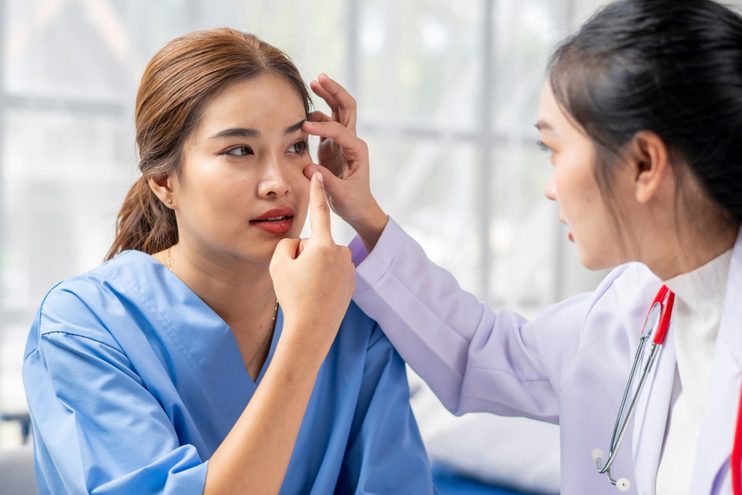
Most post-LASIK headaches fade within days or weeks. But there are red flags that should not be ignored:
Worsening pain over time instead of gradual improvement.
Severe light sensitivity, redness, or halos accompanied by discomfort—possible signs of inflammation.
Headaches with blurred or fluctuating vision, which may indicate irregular healing or residual prescription issues.
Nausea, dizziness, or migraine-like symptoms linked with eye pain, which may need urgent evaluation.
At Jryn Eye Clinic, we emphasize follow-up care precisely because patients sometimes assume headaches are “normal.” In reality, some complications—though rare—require early detection and treatment to prevent long-term effects.
What Helps Relieve Post-LASIK Headaches
Lubrication Is Key
Artificial tears are more than comfort drops; they help stabilize the ocular surface, reducing strain that contributes to headaches. Many of our Busan patients find relief just by using them consistently.
Rest and Recovery
Your eyes are healing. Limiting screen time in the first week, taking frequent breaks (the 20-20-20 rule: every 20 minutes, look 20 feet away for 20 seconds), and avoiding prolonged near work give the eyes time to adapt.
Optimize Your Environment
Use proper lighting while reading or working.
Avoid sitting directly under air vents or in dry environments.
Consider a humidifier at home, especially during Korea’s dry winter months.
Medications and Support
Over-the-counter pain relievers are generally safe if needed, but always check with your ophthalmologist first. In some cases, additional treatments for dry eye (such as punctal plugs or prescription drops) can significantly reduce both eye discomfort and related headaches.
A Doctor’s Perspective
To be honest, what many people don’t realize is how deeply vision, the brain, and body tension are connected. We often think of LASIK as a purely “eye surgery,” but the adjustment process involves far more than just the cornea. The brain is suddenly receiving sharper, differently focused images, and the body—especially the facial and neck muscles—can react to this change.
At Jryn Eye Clinic, we’ve seen both sides of this experience. Some patients walk away with seamless vision and never think twice. Others, however, notice headaches or fatigue during the early adaptation phase. They worry that something has gone wrong with the procedure, when in fact it’s often just their visual system recalibrating.
That said, we’ve also encountered patients who dismissed ongoing headaches for weeks, only to discover that there was indeed an underlying issue—such as significant dryness or a subtle healing complication. This is why careful follow-up is so important. Dr. Han Sang Yeop, with over 20 years of ophthalmology experience, helps patients strike the right balance: providing reassurance when discomfort is part of normal healing, but stepping in quickly when the situation calls for intervention.
How Long Do Headaches Last After LASIK?
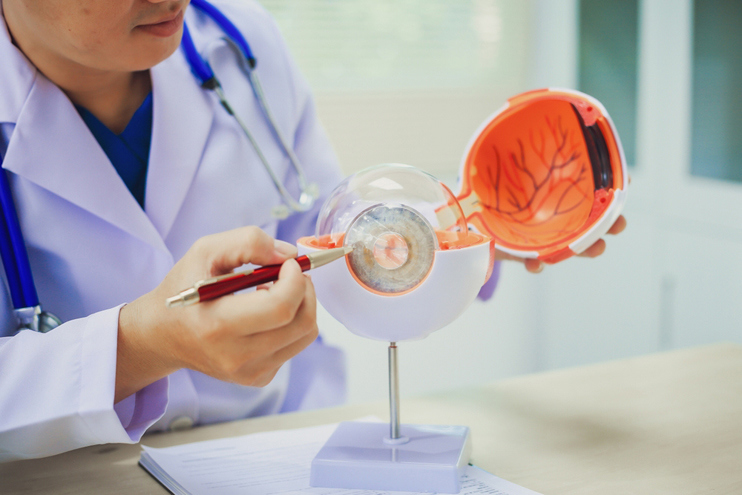
For most patients, mild post-LASIK headaches are short-lived. They often improve within the first one to two weeks, especially once the eyes adjust to daily tasks like computer use or reading.
When headaches are tied to dry eye syndrome, the timeline can be longer. Because the corneal nerves need several months to fully recover, dryness-related headaches may come and go during that period. Fortunately, symptoms usually lessen as the tear film stabilizes and targeted treatments—such as lubricating drops, prescription medications, or punctal plugs—do their job.
If headaches persist beyond the first month, or if they interfere with daily life, it’s a clear sign to revisit your surgeon. In many cases, the solution is straightforward: adjusting dry eye management, prescribing glasses for fine tasks during recovery, or correcting a small residual refractive error. Early evaluation ensures that temporary discomfort doesn’t turn into unnecessary worry.
Prevention: Can You Reduce the Risk?
While no one can guarantee a completely headache-free recovery, you can stack the odds in your favor:
Follow all post-op instructions carefully.
Stay hydrated and maintain a healthy tear film.
Don’t overuse your eyes in the first days—give them time to rest.
Attend every follow-up appointment, even if you “feel fine.”
These steps not only reduce headaches but also support the best visual outcome possible.
Conclusion: Clarity Without Worry
Headaches after LASIK can feel unsettling—especially when you’ve just taken a big step toward clear, glasses-free vision. The important thing to remember is that in most cases, these headaches are a normal part of the healing journey. They often arise from eye strain, dryness, or simple adjustment, and they fade as your eyes and brain adapt.
Still, your comfort and safety matter. Persistent or worsening headaches should never be ignored, as they can occasionally point to dryness requiring treatment, or in rare cases, a more significant post-surgical issue. That’s why close follow-up and open communication with your doctor are essential.
At Jryn Eye Clinic in Busanjin-gu, Busan, our philosophy is simple: achieving great vision should never come at the expense of peace of mind. With Dr. Han Sang Yeop’s two decades of ophthalmology experience and our state-of-the-art diagnostic systems, we help patients recover not only with clarity—but with confidence and comfort.
Ready for a Personalized 1:1 Eye Consultation?
Schedule your comprehensive 3D eye examination with Chief Director Dr. Sang-Youp Han and our ophthalmology team on the 14th floor of JRYN Medical Center in Seomyeon, Busan.