Jryn Eye Clinic Busan (Seomyeon) · SMILE LASIK · EVO+ Visian ICL · Cataract & Retina Center · Tel: +82-51-710-1004
en-US

1:1 Consultation
CLINICAL ARTICLE & GUIDE
Eye Infection After Surgery: Symptoms to Watch For
Eye Infection After Surgery: Learn key symptoms to watch for, warning signs, and when to seek care to protect your vision. Read now. Get expert tips.!
Introduction
When you decide to have eye surgery — whether it’s laser vision correction, cataract removal, or implant procedures like EVO ICL — you’re choosing a path toward clearer, more comfortable vision. But surgery is just the beginning of the journey. The days and weeks that follow are when your eye heals, and that process can be as subtle as a fading redness or as dramatic as sudden pain.
For most people, recovery is smooth. But one of the complications every patient needs to understand is eye infection after surgery. Infections are uncommon with modern standard of care, but when they happen, they can be serious if overlooked. The earlier an infection is recognized, the better the outcomes — and that’s what we’ll explore here: what signs to watch for, why they matter, and when to seek help.
Drawing on years of experience at Jryn Eye Clinic in Busan, this guide is here to help you understand not only the what of postoperative infection, but the why — without medical jargon and without unnecessary fear.
Healing After Eye Surgery — What to Expect
Before we talk about infections, let’s be clear about healing after eye surgery. It’s normal to experience:
Redness and mild irritation for the first few days
Tearing, occasional itchiness, or mild discomfort
Blurry vision that gradually improves
A sense that your eye feels different than before
These symptoms are part of your body’s natural response to intervention — like a tiny window that was cleaned and polished may still feel sensitive before it fully settles.
Here’s the big picture:
Normal symptoms improve gradually, day by day.
Abnormal symptoms either stay the same or worsen.
Understanding that difference is critical.
Why Infections After Eye Surgery Matter
Eye tissues — especially the cornea and internal structures — have limited capacity to regenerate without scarring. When bacteria, fungi, or rarely viruses enter through surgical incisions or areas of weakness, they can trigger an infection that:
Damages corneal clarity
Causes inflammation inside the eye
Threatens permanent vision loss
Even though surgeons take the utmost care with sterile technique and prescribe antibiotics, postoperative infection is still a risk — and patients must know what to watch for.
Common Symptoms of Eye Infection After Surgery

Here are the key symptoms that suggest infection rather than normal healing:
Increasing Redness That Doesn’t Fade
After surgery, some redness is expected. But notice the pattern:
Expected: Redness that peaks in the first couple of days and then eases.
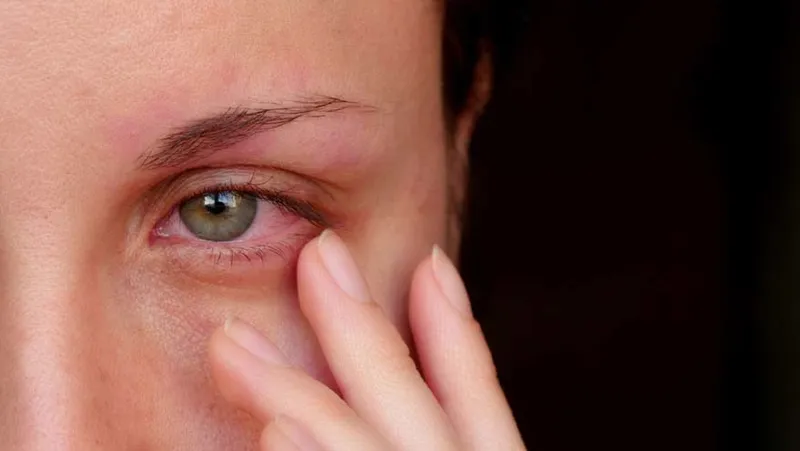
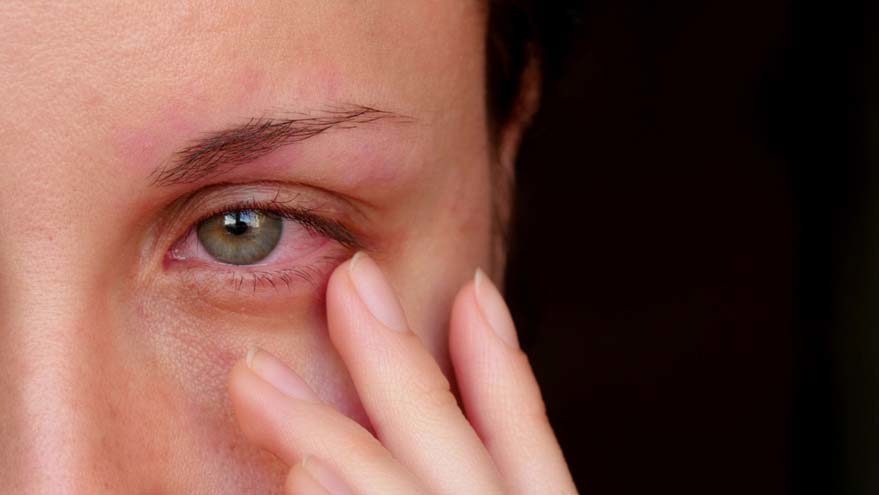
Concerning: Redness that worsens, spreads, or appears deeper in hue.
If the white of the eye becomes increasingly pink or red instead of calming down, it’s a sign your eye may be mounting a response to infection.
Persistent or Intensifying Pain
Mild discomfort — like scratchiness or sensitivity — can linger after procedures. But pain that:
Becomes sharper, deeper, or more severe
Doesn’t respond to prescribed pain relief
Feels worse at night or when blinking
…requires prompt evaluation.
Pain from infection is qualitatively different from surgical discomfort — it is intense, persistent, and progressive.
Blurry or Worsening Vision
After procedures like cataract surgery or refractive surgery, your vision may be blurry at first. That’s normal. But the important red flag is:
Vision that gets worse instead of clearer
Appearing dark spots, shadows, or floaters
Sudden drop in visual clarity
These are signals the infection could be affecting deeper structures — not just surface irritation.
Abnormal Discharge
It’s normal to produce tears after surgery — that’s part of the healing. But discharge that’s:
Yellow, green, thick, foul‑smelling, or crusted
Sticks to the lashes or eyelids
Appears suddenly or gets heavier
…is not normal. Infection triggers the eye’s defense systems and results in pus‑like material — a definite warning sign.
Swelling That Spreads or Becomes Tender
A bit of puffiness around the eye after surgery is expected, especially early on. But swelling that:
Grows worse instead of better
Becomes warm, firm, or tender to touch
Begins radiating beyond the eyelids
…suggests an inflammatory or infectious process that may need systemic antibiotics or urgent care.
Light Sensitivity That Gets Worse
Photophobia — sensitivity to light — is common after many eye procedures. But here’s the diagnostic nuance:
Normal pattern: Light sensitivity diminishes over time.
Concerning pattern: Light hurts more each day, especially with pain or tearing.
This can be a sign of corneal involvement or inflammation deeper in the eye.
When These Symptoms Are Most Concerning
Timing matters:
Day 0–3 after surgery
Some redness and irritation expected
Any worsening symptoms should raise concern
Day 4–7
Symptoms should be trending downward
Increasing pain, redness, or discharge is uncommon and concerning
After Day 7
Most discomfort should be resolved or much improved
Persistent or new symptoms never normal at this stage
A helpful rule of thumb: If it’s not better by now — or if it’s worse — get it checked.
When It May Be Emergency: Endophthalmitis
One of the most serious forms of postoperative infection is endophthalmitis — an infection inside the eye itself.
Typical warning signs include:
Severe eye pain
Sudden, significant vision loss
Intense redness
Yellow/green discharge
Extreme light sensitivity
This condition progresses quickly and is an ophthalmic emergency. If you suspect endophthalmitis — especially within the first two weeks after surgery — seek emergency care immediately.
What Causes Post‑Surgical Eye Infection?
Even with modern sterilization:
Bacteria on the eyelids or skin can enter surgical wounds
Incomplete adherence to drop regimens gives microbes an opportunity
Sleep with unclean hands or rubbing eyes increases risk
Environmental exposure (smoke, dust, pools) can compromise healing
Patient behavior — especially in the first week — matters hugely. Clean hands, correct drop use, and avoiding contamination are part of surgical success.
How Eye Infections Are Diagnosed

When you call or visit your ophthalmologist with concerning symptoms, the evaluation typically includes:
A detailed history of your symptoms
Slit lamp examination of the eye surface and surgical site
Intraocular pressure measurements
Sometimes cultures of discharge or samples
The goal is to differentiate infection from inflammation due to surgery — a subtle but critical distinction.
Treatment Approaches
Treatment varies with severity:
Mild Superficial Infections
Frequent antibiotic eye drops
Follow‑up within 24–48 hours
Temporary protective measures (like patching, if indicated)
Corneal Ulcers or Deeper Surface Infections
Stronger or combination antibiotic/fungal agents
Pain management
Close monitoring
Endophthalmitis or Infections Inside the Eye
Hospital management
Intravitreal antibiotics (injected into the eye)
Possible surgical intervention
Intensive follow‑up
The guiding principle: early treatment preserves vision.
Steps You Can Take — Safely
You can support healing — but never at the expense of hiding red flags.
Wash hands before touching your face or applying drops
Use antibiotics/steroids exactly as prescribed
Wear protective shields as directed
Avoid swimming, hot tubs, or dusty environments
Do not self‑treat with over‑the‑counter drops to “mask” symptoms
Do not delay evaluation because you hope it will get better soon
Your eyes are delicate — subtle symptoms can escalate quickly.
Patient Stories: Why Awareness Matters
Let’s be honest — patients don’t always report symptoms early. They may say:
“It felt a bit scratchy… but I thought it was just healing.”
“I didn’t want to bother the clinic.”
“The redness looked normal… I waited a few more days.”
What people often overlook is this: infection rarely waits. Early return visits aren’t burdensome — they’re preventative.
One patient we treated started with mild redness on Day 5 post‑cataract surgery. By Day 6, their discomfort had doubled. Early culture and aggressive therapy prevented an ulcer and preserved full vision. Another waited until Day 8 with worsening pain — by then, the infection was deeper and required more intensive treatment.
These stories remind us: awareness leads to better outcomes.
Final Thoughts — Clarity Over Confusion
Eye surgery is transformative. But transformation requires attentive healing. Symptoms after surgery are not just checkboxes — they’re signals your body sends. Learning how to interpret them empowers you to protect your vision.
Infections after surgery are not always predictable, but they are manageable — if recognized early.
If you’re experiencing anything that doesn’t follow the expected healing pattern, or if you’re simply unsure — reach out to your eye surgeon promptly. Vision is not something to postpone care for.
At Jryn Eye Clinic, we’re here to help you understand your recovery, recognize what’s normal, and act swiftly when something isn’t. Clear vision is our shared goal — and it starts with attentive, informed care.
Ready for a Personalized 1:1 Eye Consultation?
Schedule your comprehensive 3D eye examination with Chief Director Dr. Sang-Youp Han and our ophthalmology team on the 14th floor of JRYN Medical Center in Seomyeon, Busan.