Jryn Eye Clinic Busan (Seomyeon) · SMILE LASIK · EVO+ Visian ICL · Cataract & Retina Center · Tel: +82-51-710-1004
en-US

1:1 Consultation
CLINICAL ARTICLE & GUIDE
Eye Health After 60: Tips for Seniors to Protect Their Vision
Learn how to care for your eyes after 60 with tips on diet, exercises, eye exams, and treatments for age-related conditions like cataracts and macular degeneration.

Introduction: The Importance of Eye Health in Your 60s and Beyond
As we age, our vision inevitably undergoes changes. By the time we reach 60, many of us begin to notice alterations in our eyesight. These changes, while common, do not need to hinder your independence or lifestyle. There are numerous proactive steps you can take to preserve your vision and manage age-related eye conditions. This article offers practical advice on how to care for your eyes as you age, featuring expert insights and cutting-edge approaches to maintaining eye health.
Understanding Age-Related Changes in Vision
Vision changes are a normal part of aging, and many individuals over 60 experience some form of visual impairment. While these conditions are common, most can be managed with early detection and treatment. Below are some of the most prevalent age-related eye conditions:
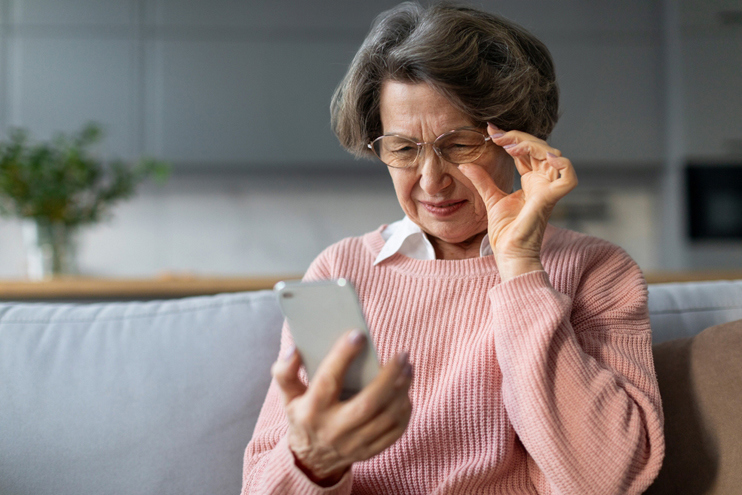
Presbyopia: As we age, the lens of the eye becomes less flexible, making it harder to focus on nearby objects. Although presbyopia often begins in the early 40s, its effects can become more noticeable after 60.
Cataracts: Cataracts occur when the lens of the eye becomes cloudy, leading to blurred vision. More than half of people over 65 experience cataracts, but they are treatable through surgery.
Macular Degeneration (AMD): AMD affects the central part of the retina and can lead to severe vision loss. It’s one of the leading causes of blindness in seniors, but timely intervention can slow progression.
Glaucoma: This group of eye diseases can damage the optic nerve, resulting in irreversible vision loss. Regular eye exams are essential, as glaucoma’s symptoms can often go unnoticed until it’s too late.
Though these conditions may sound intimidating, timely interventions can drastically reduce the risk of significant vision loss, ensuring you maintain optimal eyesight for years to come.
The Role of Regular Eye Exams in Maintaining Eye Health
Routine eye exams are crucial for identifying early signs of eye diseases and preventing vision loss. These exams help your eye doctor spot potential issues before they become serious.
What to Expect During an Eye Exam:
Visual Acuity Test: Measures how well you can see at different distances, helping to detect refractive errors.
Dilated Eye Exam: Drops are used to widen the pupils, allowing the doctor to inspect the retina and optic nerve for early signs of disease.
Eye Pressure Test: Measures the pressure inside the eyes to check for glaucoma.
Retinal Imaging: This advanced technology captures detailed images of the retina, offering a clearer picture of potential problems such as macular degeneration.
How Often Should You Get an Eye Exam?
Seniors should undergo a comprehensive eye exam every 1-2 years, depending on personal health history and risk factors. If there’s a family history of eye diseases or if you have conditions like diabetes, more frequent exams might be recommended.
Nourishing Your Eyes: Diet and Nutrition
A well-balanced diet is essential for maintaining eye health and preventing common age-related conditions. Several nutrients play a significant role in supporting vision, including:
Vitamin A: Crucial for maintaining healthy vision, especially in low light. Found in foods like carrots, sweet potatoes, and spinach.
Vitamin C: An antioxidant that helps protect the eyes from oxidative stress, reducing the risk of cataracts. Citrus fruits and bell peppers are rich in Vitamin C.
Vitamin E: Protects eye cells from damage. Good sources include nuts, seeds, and leafy greens.
Omega-3 Fatty Acids: Vital for retina health, found in fatty fish like salmon and mackerel.
Zinc: Essential for protecting the retina and preventing macular degeneration. Sources include beans, nuts, and whole grains.
In addition to a healthy diet, certain supplements can also support eye health, including:
Lutein and Zeaxanthin: Antioxidants that protect the retina from harmful blue light.
Bilberry Extract: Known for its potential to improve night vision.
Managing Common Age-Related Eye Conditions
Even with preventive care, you may develop one or more age-related eye conditions. Here’s how to manage them:
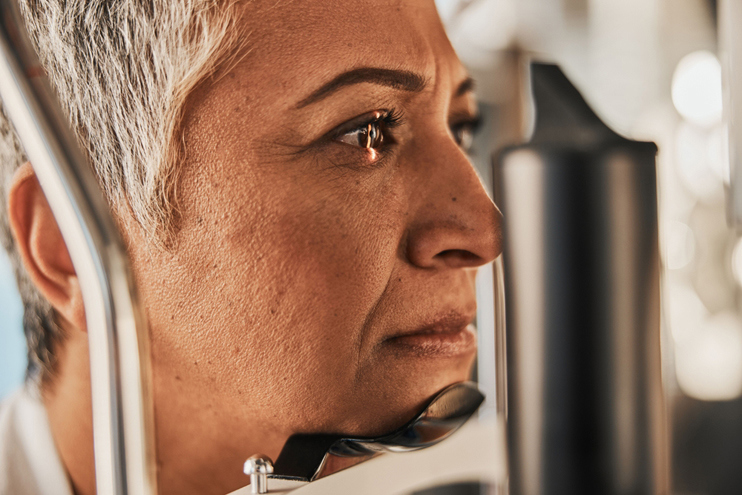
Cataracts: In the early stages, cataracts may be managed with updated prescriptions and improved lighting. If cataracts become severe, surgery to replace the cloudy lens with an artificial one is usually effective.
Glaucoma: Regular eye exams are essential for monitoring eye pressure and optic nerve health. Early treatment with eye drops or surgery can help prevent damage.
Macular Degeneration (AMD): Although there is no cure, treatments such as anti-VEGF injections and laser therapy can slow progression. Lifestyle changes, such as quitting smoking, can also make a difference.
Dry Eyes: Seniors often experience dry eyes due to reduced tear production. Using artificial tears, adjusting your environment (e.g., using a humidifier), and possibly considering surgery to block tear ducts can help.
Protecting Your Eyes from UV Damage
As you age, your eyes become more susceptible to the harmful effects of UV rays. Prolonged exposure can contribute to cataracts and macular degeneration. Here’s how you can protect your eyes:
Wear UV-Blocking Sunglasses: Ensure they block both UVA and UVB rays. Polarized lenses are also beneficial for reducing glare.
Use a Wide-Brimmed Hat: Helps shield your eyes from direct sunlight.
Limit Sun Exposure During Peak Hours: Try to avoid being outdoors from 10 a.m. to 4 p.m., when UV rays are strongest.
Consider Anti-Reflective Lenses: Reduce glare, especially while driving or outdoors.
Addressing Digital Eye Strain
With increasing screen time, seniors are at risk of digital eye strain. Symptoms include blurry vision, headaches, and dry eyes. Here are a few ways to manage screen time:
Follow the 20-20-20 Rule: Take a 20-second break every 20 minutes to look at something 20 feet away.
Adjust Screen Settings: Reduce brightness and contrast, and use larger text for easier reading.
Use Blue Light-Blocking Glasses: These glasses help minimize eye fatigue from screens.
Blink More Frequently: Remember to blink often to refresh the eyes and prevent dryness.
Exercise for Eye Health
Regular eye exercises can improve blood circulation, reduce strain, and keep eye muscles flexible. Here are a few exercises to try:
Eye Rolling: Roll your eyes in circles, first clockwise and then counterclockwise, to stretch and relax eye muscles.
Palming: Rub your hands together to create warmth, then gently cup them over your closed eyes to soothe tired eyes.
Focus Shifting: Alternate focusing on a near object and a far object to improve focusing ability.
Making Lifestyle Changes to Support Eye Health
Your overall health plays a critical role in maintaining eye health. Here are some lifestyle changes that benefit both your vision and general well-being:
Maintain a Healthy Weight: This reduces the risk of conditions like diabetes that can affect the eyes.
Quit Smoking: Smoking is a major risk factor for cataracts, AMD, and optic nerve damage.
Exercise Regularly: Helps improve circulation and control conditions like high blood pressure and diabetes.
Limit Alcohol: Excessive alcohol can harm the optic nerve and cause dry eyes.
Surgical Solutions for Severe Eye Conditions
In some cases, surgery may be necessary to restore or improve vision. Here are common procedures for seniors:
Cataract Surgery: A highly successful procedure where the cloudy lens is replaced with an artificial one.
Glaucoma Surgery: Helps lower eye pressure to prevent further damage.
Laser Vision Correction: For seniors who still require vision correction but want to reduce their dependence on glasses.
How Jryn Eye Clinic Supports Senior Eye Health
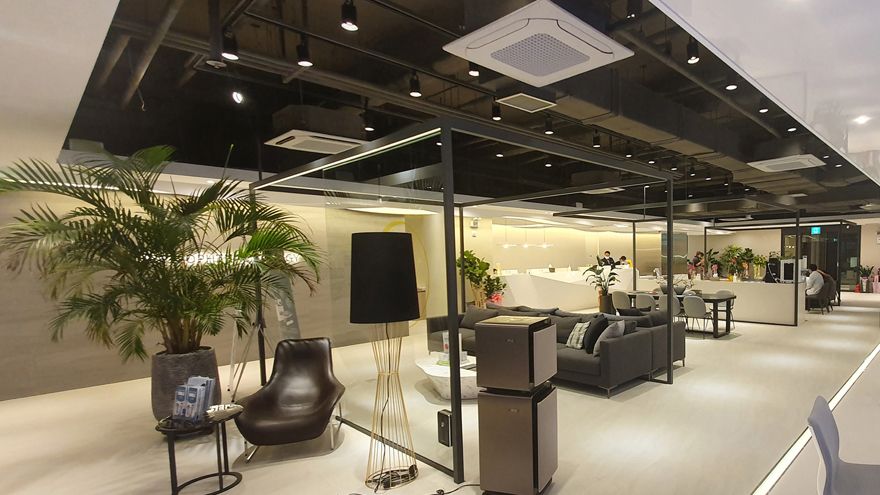
At Jryn Eye Clinic, we understand that as we age, the need for specialized eye care becomes even more critical. Seniors face a unique set of challenges when it comes to maintaining eye health, from age-related conditions like cataracts and macular degeneration to dry eyes and presbyopia. That’s why we are committed to offering personalized, high-quality care designed specifically for the needs of older adults. With over two decades of experience, we pride ourselves on being at the forefront of ophthalmic care, utilizing cutting-edge technologies and customized treatment plans to improve and protect the vision of our senior patients.
Expertise in Treating Age-Related Eye Conditions
Jryn Eye Clinic excels in treating a variety of age-related eye conditions using advanced technologies and techniques. We recognize that conditions like cataracts, presbyopia, macular degeneration, and dry eyes require a nuanced approach that balances the latest advancements in eye care with compassionate, patient-centered treatment.
VisuMax Femtosecond Laser for Cataract Surgery:
One of the most significant advancements in cataract surgery is the VisuMax femtosecond laser. This state-of-the-art technology allows for ultra-precise incisions, reducing recovery time and improving surgical outcomes. At Jryn Eye Clinic, we utilize the VisuMax system to perform laser-assisted cataract surgery, ensuring that seniors benefit from the most advanced, minimally invasive approach available. This precision leads to faster recovery and a reduced risk of complications, helping seniors regain their vision with the least discomfort and disruption to their daily lives.Catalys System for Enhanced Cataract Treatment:
We also use the Catalys system for cataract surgery, a highly sophisticated femtosecond laser platform that provides unparalleled precision in treating cataracts. This technology offers a more accurate and customized approach to cataract removal, ensuring that patients experience the best possible outcomes. For seniors dealing with cataracts, Jryn Eye Clinic offers a seamless process from diagnosis to recovery, with personalized care every step of the way.
Customized Treatments for Presbyopia, Dry Eyes, and Macular Degeneration
At Jryn Eye Clinic, we understand that no two patients are the same, and we take a tailored approach to every treatment. Our comprehensive treatment plans are designed to address the specific needs of our senior patients, using the latest technologies and techniques.
LASIK for Presbyopia Correction:
Many seniors experience presbyopia, a condition where the ability to focus on close-up objects gradually diminishes. For patients struggling with reading glasses, LASIK or LASEK procedures can provide a solution. At Jryn Eye Clinic, we offer presbyopia-correcting LASIK to help seniors improve their near vision, allowing them to engage in daily activities without the need for glasses. With over 20 years of experience, our surgeons, including Dr. Han Sang Yeop and Dr. Heo Joong Gu, are leaders in presbyopia treatment, utilizing the latest technologies like the VisuMax femtosecond laser to achieve remarkable results.Specialized Care for Dry Eyes:
Dry eye syndrome is a common issue among seniors, caused by a decrease in tear production or changes in tear composition. This can lead to discomfort, blurred vision, and even an increased risk of eye infections. At Jryn Eye Clinic, we offer advanced dry eye treatments, including the use of punctal plugs, lipiflow therapy, and prescription medications to help manage symptoms and improve tear production. We are committed to helping seniors maintain optimal eye comfort and health with our comprehensive approach to treating dry eyes.Macular Degeneration Management:
Age-related macular degeneration (AMD) is another condition that affects many seniors, causing vision loss in the central field of vision. While there is no cure for AMD, early detection and treatment can help slow its progression. At Jryn Eye Clinic, we use advanced imaging technology to monitor and diagnose macular degeneration at its earliest stages, allowing us to provide timely treatments that can help preserve vision. From anti-VEGF injections to nutritional guidance, we offer a range of treatments designed to support and protect the vision of our elderly patients.
Conclusion: Take Control of Your Eye Health Today
Maintaining eye health after 60 is essential for preserving independence and quality of life. Regular eye exams, a balanced diet, UV protection, and eye exercises can help you manage and prevent age-related vision issues. If you’re experiencing changes in your vision, consult with a trusted eye care provider.
At Jryn Eye Clinic, we specialize in treating age-related eye conditions like cataracts, glaucoma, and macular degeneration. Our expert team, led by Dr. Han Sang Yeop, is committed to providing personalized care to ensure your eye health remains optimal. Schedule a consultation today to take proactive steps toward preserving your vision.
Ready for a Personalized 1:1 Eye Consultation?
Schedule your comprehensive 3D eye examination with Chief Director Dr. Sang-Youp Han and our ophthalmology team on the 14th floor of JRYN Medical Center in Seomyeon, Busan.