Jryn Eye Clinic Busan (Seomyeon) · SMILE LASIK · EVO+ Visian ICL · Cataract & Retina Center · Tel: +82-51-710-1004
en-US

1:1 Consultation
CLINICAL ARTICLE & GUIDE
EVO ICL Cost: Korea vs. United States (2026 Guide)
How EVO Visian ICL cost in Korea compares with the United States — what a Busan package bundles, what drives the price gap, and how to compare fairly.
EVO Visian ICL Cost: Korea vs. the United States, Compared
Medically reviewed by Dr. Sang Youp Han, MD, Chief Director, Jryn Eye Clinic · Last updated July 2026
If you have typed "evo icl cost korea" into a search bar, you are almost certainly comparing a headline number from a South Korean clinic against a quote you received at home in the United States. That instinct is reasonable, but a single dollar figure rarely tells the whole story. The EVO Visian ICL is a permanent, biocompatible lens placed inside the eye, and the price of any implant-based surgery reflects far more than the lens itself. This guide explains what actually drives the difference between a Korean and a U.S. quote, and how to compare the two like-for-like instead of by headline alone.
What the EVO Visian ICL Actually Is
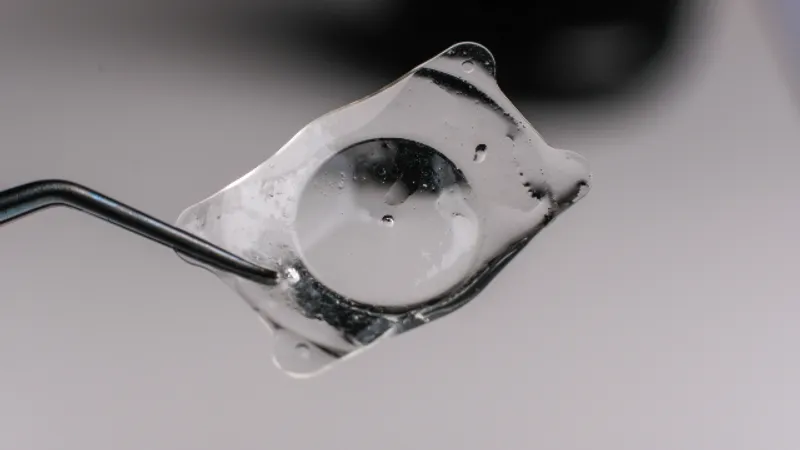
EVO Visian ICL stands for Implantable Collamer Lens. Unlike LASIK or SMILE, which reshape the cornea with a laser, the ICL is a soft, biocompatible collamer lens that is surgically placed inside the eye, in front of your natural lens, to correct refractive error. Because nothing is removed from the cornea, it is often considered by patients who are not good candidates for laser surgery.
According to the American Academy of Ophthalmology, phakic intraocular lenses like the ICL are implanted without removing the eye's natural lens and have been studied as an effective option for correcting nearsightedness, particularly higher degrees of myopia. At Jryn Eye Clinic in Busan, the ICL is placed under topical anesthetic eye drops, and the procedure itself takes roughly 10 to 15 minutes per eye, followed by a brief observation period and scheduled follow-up visits.
One point worth understanding early: the ICL is designed to stay in the eye permanently. Per the clinic's own patient information, it remains in place unless an accident occurs or cataracts later develop, and removal — while possible — is described as a delicate procedure that requires careful discussion with your surgeon. That permanence is part of why candidate selection and surgeon experience matter so much, and why they factor into the overall value of a procedure, not just its sticker price.
Why Costs Differ Between Countries
It is tempting to assume a lower price abroad means a lower-quality procedure, or that a higher U.S. price simply reflects better care. Neither assumption holds up. The gap is driven mostly by structural factors that have little to do with surgical skill:
- Facility and labor costs. Operating-room overhead, staffing, and administrative costs differ substantially between healthcare systems.
- How the quote is bundled. A U.S. quote and a Korean quote may include very different things, which we break down below.
- Insurance context. In the United States, refractive procedures such as the ICL are elective and generally not covered by insurance, so patients already expect to pay out of pocket — which is exactly why cross-border cost comparisons draw so much attention.
The important takeaway is that a price difference is not automatically a quality difference. What matters is comparing the full scope of what each quote covers.
What a Korean ICL Package Typically Bundles
The most common mistake patients make is comparing a comprehensive package price against a partial one. When you request information through the Jryn Eye Clinic online inquiry and consultation system, it helps to ask exactly which of the following are included, because a Korean package for a procedure like the ICL is often built to cover several stages in one figure:
- Pre-operative diagnostics. Candidacy for the ICL depends on a comprehensive eye examination. Jryn Eye Clinic references the Tomey CASIA2 × OA-2000 cross-connection diagnostic system used in measurement and planning — the kind of imaging that determines whether the lens will fit and perform correctly inside your eye.
- The lens itself. The ICL is a manufactured medical device (the STAAR Surgical EVO Visian ICL platform), and lens cost is a real component of any quote.
- The surgical procedure. This includes the surgeon's time, anesthesia (topical drops), the sterile operating environment, and the surgical team.
- Post-operative follow-up. The clinic schedules follow-up visits, with vision typically improving the same day or the next day and stabilizing over the following weeks, with routine follow-up during the first year.
When you receive a U.S. quote, ask whether diagnostics, the lens, the facility fee, anesthesia, and follow-up visits are all included, or quoted separately. Only once both quotes cover the same stages can you meaningfully compare them.
Surgeon Experience as Part of the Value
Price is one variable; who performs the surgery is another. For an implant that is meant to stay in your eye long-term, surgeon experience with that specific lens is directly relevant to your decision.
Jryn Eye Clinic's Chief Director, Dr. Sang Youp Han, has been a STAAR-certified Visian ICL instructor since 2014 — meaning he has been recognized by the lens manufacturer to train other surgeons in the technique. He has also received STAAR Surgical volume recognitions, including the Toric ICL 500 Award (2016) and the ICL 3000 and Toric ICL 1000 Awards (2022).
It is important to read these honestly. These are vendor-issued recognitions from STAAR Surgical, the lens maker — not independently adjudicated awards, and they are not a guarantee of any individual outcome. What they do indicate is sustained, high-volume experience with this particular lens platform, which is a fair thing to weigh alongside cost. You can learn more about the clinic's background on the Jryn Eye Clinic website.
Comparing Quotes Like-for-Like: A Checklist
To turn "which is cheaper?" into "which is the better value for my eyes?", work through the same questions for each quote you receive:
- Does the price include pre-operative diagnostic testing, or is that billed separately?
- Is the lens cost included, and does it cover a toric (astigmatism-correcting) lens if you need one?
- Are anesthesia and facility fees part of the figure?
- How many follow-up visits are included, and over what period?
- Who performs the surgery, and what is their documented experience with the ICL specifically?
- What happens if you need additional care after you return home?
A Korean package that appears more affordable may become clearer once you confirm it bundles most of these elements. Likewise, a U.S. quote may look higher until you learn it excludes diagnostics or follow-up that would be added later.
The ICL Procedure, Step by Step
Understanding what you are paying for is easier when you can picture the process. At Jryn Eye Clinic, the ICL pathway follows a clear sequence: examination, diagnosis, treatment planning, anesthetic drops, surgery, recovery, and follow-up. Each of these stages carries its own resource cost, which is part of why a package figure covers more than the operating-room minutes.
The diagnostic stage is more involved than many patients expect. The clinic references the Tomey CASIA2 imaging system, which captures a series of high-speed scans to reconstruct the eye's internal anterior chamber in three dimensions — a full 360-degree view from the corneal surface to the back of the natural lens. For an implant that sits inside the eye, this level of detail is used to confirm there is enough space for the lens and to plan its placement. This is not a formality; it is the measurement work that supports a safe result, and it is a genuine line in the overall cost.
On the day itself, the surgery is performed under topical anesthetic eye drops, with the medical team monitoring you and a brief observation period before you leave. Afterward, the clinic uses postoperative eye drops and scheduled follow-up visits, with instructions to seek immediate consultation if you experience severe pain or sudden vision changes. When you compare a Korean package against a U.S. quote, these post-surgical elements should be on both sides of the ledger.
International Patient Support and Trip Planning
For patients traveling from the United States, the cost conversation is inseparable from logistics. Jryn Eye Clinic is located in Busan — at the Jryn Medical Building on Gaya-daero in Busanjin-gu — rather than in Seoul, so your travel plan will typically involve reaching Busan after arriving in Korea. Building this into your budget is part of an honest total-cost comparison.
The clinic is a Registered Medical Institution for Attracting Foreign Patients, certified by Korea's Ministry of Health and Welfare. For communication, an English-speaking coordinator handles inquiry, consultation, and aftercare, interpreting for the doctors during consultations, and translated documents are available. Practically, this means you can raise cost and candidacy questions in English before you commit to travel, and you can carry English-language documentation home for continuity of care. The clinic's process runs through an online inquiry system, where you submit your details and receive consultation or appointment arrangements in return.
Candidacy Matters More Than Price
No price is meaningful if you are not a candidate. Per Jryn Eye Clinic's published information, the ICL suits adults with stable vision who qualify after a comprehensive eye examination. It is generally not suitable for patients with unstable vision, thin corneas, or active eye disease. Candidacy is confirmed through diagnostic testing, surgeon consultation, and a personalized treatment plan — not by a price quote.
If you are considering traveling for surgery, international patients are generally advised to stay in Korea for roughly 3 to 7 days before flying home, which allows for the procedure, observation, and initial follow-up. Factoring this stay into your total budget is part of an honest cost comparison. You can begin the process, including asking cost and candidacy questions, through the clinic's contact and consultation page.
The Bottom Line
- The EVO Visian ICL is a permanent, implantable collamer lens placed inside the eye — an alternative to laser corneal reshaping for suitable candidates.
- Price differences between Korea and the United States are driven largely by facility costs, insurance context, and how each quote is bundled — not automatically by quality.
- A fair comparison requires confirming that both quotes cover the same stages: diagnostics, the lens, the procedure, anesthesia, facility fees, and follow-up.
- Dr. Sang Youp Han has been a STAAR-certified Visian ICL instructor since 2014; the associated STAAR awards are vendor recognitions, not outcome guarantees.
- Candidacy is determined by a comprehensive eye examination, and international patients should budget for a roughly 3–7 day stay in Korea.
Frequently Asked Questions
**Is the EVO Visian ICL permanent?**Per Jryn Eye Clinic's patient information, the ICL is designed to remain in the eye permanently unless an accident occurs or cataracts later develop. Removal is possible but is described as a delicate procedure requiring careful discussion with your surgeon.
**How long does ICL surgery take?**At Jryn Eye Clinic, the procedure takes approximately 10 to 15 minutes per eye, performed under topical anesthetic eye drops, followed by a brief observation period and scheduled follow-up visits.
**Who is not a good candidate for the ICL?**The clinic notes that the ICL is generally not suitable for patients with unstable vision, thin corneas, or active eye diseases. Suitability is confirmed only after a comprehensive eye examination and surgeon consultation.
**How long should I plan to stay in Korea for ICL surgery?**International patients are generally advised to stay in Korea for about 3 to 7 days before flying home, which covers the procedure, observation, and initial follow-up.
**What experience does the surgeon have with the ICL?**Dr. Sang Youp Han has been a STAAR-certified Visian ICL instructor since 2014 and has received STAAR Surgical volume recognitions. These are manufacturer-issued recognitions indicating experience with the lens, not guarantees of individual results.
**Why is the ICL sometimes chosen over LASIK or SMILE?**Because the ICL does not remove corneal tissue, it can be considered for patients who are not ideal candidates for laser corneal reshaping. The final choice depends on your eye's specific measurements and health, confirmed through diagnostic testing.
**How soon will my vision improve after ICL surgery?**The clinic reports that vision typically improves the same day or the next day, then stabilizes over the following weeks, with routine follow-up during the first year.
This article is for general informational purposes and does not constitute individualized medical advice. Surgical candidacy, technique, and expected outcomes can only be determined through a consultation with a qualified surgeon.
Ready for a Personalized 1:1 Eye Consultation?
Schedule your comprehensive 3D eye examination with Chief Director Dr. Sang-Youp Han and our ophthalmology team on the 14th floor of JRYN Medical Center in Seomyeon, Busan.