Jryn Eye Clinic Busan (Seomyeon) · SMILE LASIK · EVO+ Visian ICL · Cataract & Retina Center · Tel: +82-51-710-1004
en-US

1:1 Consultation
CLINICAL ARTICLE & GUIDE
Essential Annual Eye Exams After 40 for Clear Vision
Keep your vision sharp after 40 with annual eye exams. Early detection of conditions like glaucoma, AMD, and cataracts can protect your eyesight for life.
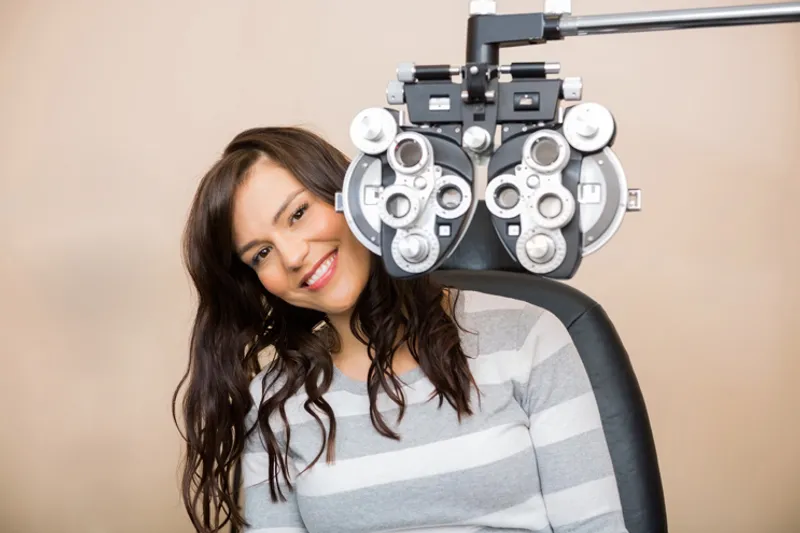
Introduction: Understanding the Importance of Eye Health After 40
As we age, changes in our vision become more noticeable, especially after 40. You may find yourself struggling to read fine print or feeling like you need more light to see clearly. These are common signs that your eyes are undergoing natural changes, but they also signal the need for proactive care. The aging process impacts your eyes just like any other part of your body, and the best way to stay ahead of potential issues is through annual eye exams.
At Jryn Eye Clinic, located in Busan, Korea, our team of highly experienced ophthalmologists uses the latest in diagnostic technology to help preserve your vision for years to come. Regular eye exams become especially crucial after 40, as the likelihood of developing age-related eye conditions increases. Early detection through comprehensive eye exams can prevent serious vision problems before they even start.
How Aging Affects Your Eyes
Around the age of 40, several changes can begin to affect your vision. One of the most common changes is presbyopia, which makes it harder to focus on objects up close. If you find yourself holding reading materials farther away or struggling with small fonts, you may be experiencing the early stages of presbyopia.
In addition, the size of your pupils may begin to shrink, making it more difficult to adjust to changes in lighting. Reduced contrast sensitivity may also make it harder to distinguish objects in low-light conditions. These natural changes in the lens of your eye can eventually lead to the development of cataracts, a condition where the lens becomes cloudy, affecting vision clarity.
As these age-related changes occur, the need for regular eye exams becomes more important. Without early detection, these issues can go unnoticed, leading to long-term vision problems.
Annual Eye Exams: The Key to Early Detection
Annual eye exams are your first line of defense in identifying age-related eye conditions before they cause irreversible damage. A comprehensive eye exam goes beyond a routine vision check. It includes a variety of tests that assess the overall health of your eyes and provide valuable insights into conditions that may not yet show symptoms.
During an eye exam, your ophthalmologist will check for several conditions, including glaucoma, macular degeneration, diabetic retinopathy, and cataracts. These conditions can develop silently, which is why regular exams are crucial. For example, glaucoma can cause significant optic nerve damage without warning, and early intervention is key to preventing vision loss.
In addition to detecting these serious conditions, annual exams help monitor prescription changes, ensuring your vision stays sharp. Through advanced diagnostic tools, your doctor will assess the health of your retina and the internal structures of your eyes to identify any risk factors for vision loss.
Spotting Silent Threats: The Importance of Early Glaucoma Detection
One of the most concerning eye conditions is glaucoma, often referred to as the “silent thief of sight” because it typically has no symptoms until significant damage has occurred. Glaucoma results from high eye pressure that damages the optic nerve. If left untreated, it can lead to permanent vision loss.
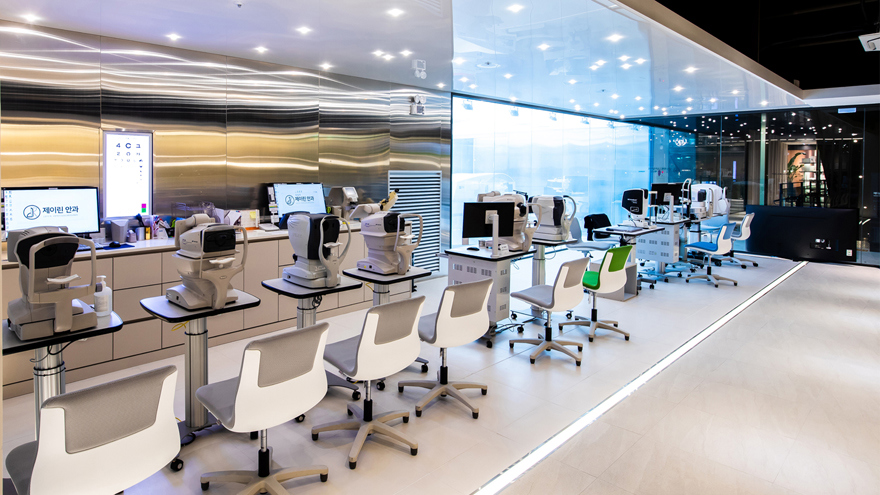
At Jryn Eye Clinic , we use the latest diagnostic techniques, including tonometry, to measure intraocular pressure and check for signs of glaucoma. Early detection allows us to begin treatment, such as medications or laser therapy, which can prevent severe vision loss and minimize the need for surgery.
Early detection is crucial, as treatment for glaucoma is most effective in its early stages. Regular eye exams give you the opportunity to catch this condition before it affects your sight permanently.
Cataracts and Presbyopia: Common Issues That Can Be Managed
As you age, the lens in your eye becomes less flexible, leading to presbyopia. This condition typically begins in your 40s and makes it harder to focus on close objects. Many people first notice the need for reading glasses or find that holding their smartphone farther away becomes necessary to read the screen.
Fortunately, there are multiple solutions for managing presbyopia. At Jryn Eye Clinic, we offer a range of options, including reading glasses, bifocals, progressive lenses, and multifocal contact lenses. For those seeking a more permanent solution, surgical options like monovision LASIK and lens implants can also provide lasting relief.
Cataracts, which form when the lens of the eye becomes cloudy, can also become more prominent after 40. The condition develops gradually, causing blurry vision, difficulty driving at night, and sensitivity to light. While cataracts can’t be prevented, regular exams help monitor their progress. Early-stage cataracts can often be managed effectively with non-surgical treatments, but when they become more advanced, surgery is a highly effective solution.
At Jryn Eye Clinic, we use advanced diagnostic tools like Zepto cataract technology to assess the development of cataracts and recommend the most appropriate course of action. Cataract surgery, when necessary, involves removing the cloudy lens and replacing it with a clear artificial lens, restoring vision with minimal recovery time.
Age-Related Macular Degeneration (AMD): Early Detection Saves Vision
Age-related macular degeneration (AMD) is another condition that affects people over 50 and leads to the deterioration of the central part of the retina, known as the macula. AMD makes it difficult to perform tasks like reading, driving, or recognizing faces.
There are two forms of AMD: dry AMD, which progresses gradually, and wet AMD, which can cause rapid vision loss. Early detection of AMD is essential for slowing its progression and managing the condition effectively.
At Jryn Eye Clinic, we use advanced imaging techniques such as optical coherence tomography (OCT) to monitor the health of your retina and detect early signs of AMD. While there is no cure for AMD, early intervention can include treatments such as anti-VEGF injections, laser therapy, or specialized low-vision devices to preserve sight.
Preventing Digital Eye Strain: Tips for the Over-40s
In today’s world, digital devices are an essential part of daily life, and many people over 40 experience digital eye strain—also known as computer vision syndrome. Symptoms include dry eyes, blurred vision, headaches, and neck pain. These issues are exacerbated by the fact that we tend to blink less when staring at screens for long periods.

If you’re over 40, you might notice that the effects of digital eye strain are more pronounced due to age-related changes like presbyopia. The good news is that there are several ways to mitigate the effects of digital eye strain. For instance, computer glasses designed specifically for screen use can help reduce discomfort, and following the 20-20-20 rule—looking at something 20 feet away every 20 minutes for 20 seconds—can provide your eyes with much-needed breaks.
Why Early Detection and Prevention Matter
The biggest advantage of regular eye exams is the ability to detect potential issues before they become serious. Early intervention can prevent vision loss, reduce treatment costs, and preserve your quality of life. Conditions like glaucoma, macular degeneration, and diabetic retinopathy can often be managed or treated if caught early.
Jryn Eye Clinic uses cutting-edge technology to perform comprehensive exams, ensuring that no issue goes unnoticed. Our team of expert ophthalmologists, led by Dr. Han Sang Yeop, is committed to providing the best care possible, utilizing the latest advancements in diagnostics and treatment. Whether you need a routine checkup or a specialized procedure, we tailor our services to your specific needs.
Conclusion: Prioritize Your Eye Health Today
The natural aging process affects your eyes, but with regular eye exams after 40, you can stay ahead of potential problems. At Jryn Eye Clinic, our team is dedicated to preserving your vision through early detection, advanced treatments, and personalized care. Don’t wait for symptoms to appear—schedule your comprehensive eye exam today and ensure that your vision stays sharp for years to come.
Ready for a Personalized 1:1 Eye Consultation?
Schedule your comprehensive 3D eye examination with Chief Director Dr. Sang-Youp Han and our ophthalmology team on the 14th floor of JRYN Medical Center in Seomyeon, Busan.