Jryn Eye Clinic Busan (Seomyeon) · SMILE LASIK · EVO+ Visian ICL · Cataract & Retina Center · Tel: +82-51-710-1004
en-US

1:1 Consultation
CLINICAL ARTICLE & GUIDE
Epiretinal Membrane Treatment: Surgery, Recovery & Outcomes at Jryn Eye Clinic
Discover the causes, treatment options, and recovery for epiretinal membrane. Learn about personalized care at Jryn Eye Clinic in Busan, Korea.

What is Epiretinal Membrane (ERM)?
Epiretinal membrane (ERM) is a condition where a thin layer of fibrous tissue forms on the surface of the retina, impairing vision. This membrane can pull on the retina, causing visual distortions such as blurriness or wavy lines. As the condition progresses, it may make daily tasks like reading, driving, or recognizing faces increasingly difficult.

Untreated, an epiretinal membrane can lead to permanent damage to the central vision, which is crucial for tasks that require detailed eyesight. Fortunately, the latest diagnostic and surgical techniques provide hope for those affected by this condition. Clinics like Jryn Eye Clinic in Busan, Korea, are known for using advanced methods to offer personalized care for epiretinal membrane patients.
Causes and Diagnosis of Epiretinal Membrane
Epiretinal membranes are often caused by changes in the vitreous gel inside the eye, a natural process associated with aging. As the vitreous shrinks, it can pull away from the retina, leading to inflammation or small tears. Over time, this triggers the formation of scar tissue, which results in an epiretinal membrane. Other causes include eye trauma, previous retinal surgery, or inflammatory conditions, though sometimes the cause is unknown (idiopathic ERM).
Accurate and early diagnosis is vital for successful treatment. At Jryn Eye Clinic, ophthalmologists use advanced technologies like Optical Coherence Tomography (OCT) to create detailed cross-sectional images of the retina. This allows them to assess the membrane's size, location, and impact on vision. For instance, OCT scans have played a pivotal role in identifying ERM early in patients, allowing for timely intervention and improved outcomes.
Symptoms and When to Seek Medical Help
Epiretinal membrane symptoms can be subtle at first. Many patients experience blurred or distorted central vision, difficulty reading fine print, or objects appearing wavy. As the condition progresses, it can make daily activities like driving or recognizing faces harder.
Mrs. Kim, a 62-year-old retiree from Busan, noticed that her vision was becoming increasingly distorted, especially when reading. Initially, she thought it was due to age-related changes, but as her symptoms worsened, she sought help at Jryn Eye Clinic. Early detection and treatment helped prevent permanent damage to her vision, highlighting the importance of consulting an ophthalmologist when symptoms appear.
If you notice a gradual decline in your vision or any sudden changes, it’s essential to seek professional advice. Early diagnosis and intervention are critical to preventing further visual deterioration.
Treatment Options for Epiretinal Membrane
When an epiretinal membrane causes only minor vision disturbances, observation may be sufficient. However, when the condition significantly impacts quality of life, surgery is often recommended. Non-surgical treatments, such as medications or eye drops, are generally ineffective because the condition involves a physical membrane that needs to be removed.
The primary treatment for ERM is a vitrectomy combined with membrane peeling. During this procedure, the surgeon removes the vitreous gel and delicately peels the membrane off the retina. Technological advancements in microsurgery and intraoperative imaging have made this procedure safer and more precise than ever before. At Jryn Eye Clinic, surgeons use state-of-the-art imaging tools to ensure the membrane is removed with the highest level of accuracy, minimizing risks and improving recovery time.
How Epiretinal Membrane Surgery Works
The surgery is usually performed under local anesthesia, with patients awake but comfortable. It begins with the removal of the vitreous gel, providing the surgeon with access to the retina. Using precision microsurgical instruments, the surgeon carefully peels the membrane away from the retina, reducing the tension that distorts vision.
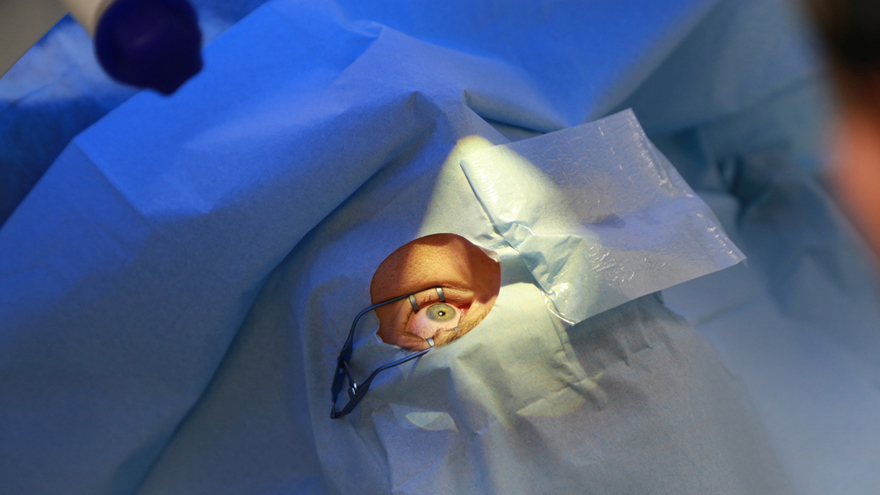
One of the significant advancements in ERM surgery is the use of high-resolution intraoperative imaging. This technology allows the surgeon to view the retina in greater detail during the procedure, reducing the chances of complications and enhancing precision. For example, a recent patient at Jryn Eye Clinic benefited from this technology, allowing for a faster recovery and a smoother surgical experience.
Risks and Benefits of Surgery
While surgery for epiretinal membrane is generally safe, it does come with some risks. Potential complications include cataract formation, retinal detachment, infection, or temporary increases in eye pressure. However, these risks are rare, especially when the surgery is performed by experienced surgeons using advanced techniques.
The benefits of surgery often outweigh the risks, particularly when the membrane causes significant vision impairment. Many patients experience significant improvement in visual clarity and reduced distortion. The success rate for surgery is high, and many individuals regain a substantial portion of their lost vision, allowing them to return to normal activities.
Postoperative Recovery
Recovery after epiretinal membrane surgery typically takes a few weeks to a couple of months, depending on the individual. Immediately after surgery, patients may experience some discomfort, light sensitivity, or blurry vision, but these symptoms generally improve as the eye heals.
For instance, Mr. Lee, a professional photographer, underwent surgery for his ERM and noticed a dramatic improvement in his ability to focus on fine details. After following his surgeon's recovery instructions, he was able to return to work much sooner than expected.
During recovery, patients are advised to follow their surgeon’s instructions carefully, including the use of prescribed eye drops and attending follow-up visits. Most patients can resume normal daily activities within a few weeks, though it’s important to avoid strenuous activities until fully recovered.
Innovations in Epiretinal Membrane Treatment
The treatment of epiretinal membranes has evolved significantly in recent years. Newer surgical tools, enhanced imaging technologies, and more refined techniques have made the procedure faster, safer, and more effective. At Jryn Eye Clinic, these innovations allow for highly precise surgeries with faster recovery times. The clinic also regularly incorporates the latest research and technological advances into its practices, ensuring patients receive the most up-to-date and effective treatments.
Why Choose Jryn Eye Clinic?
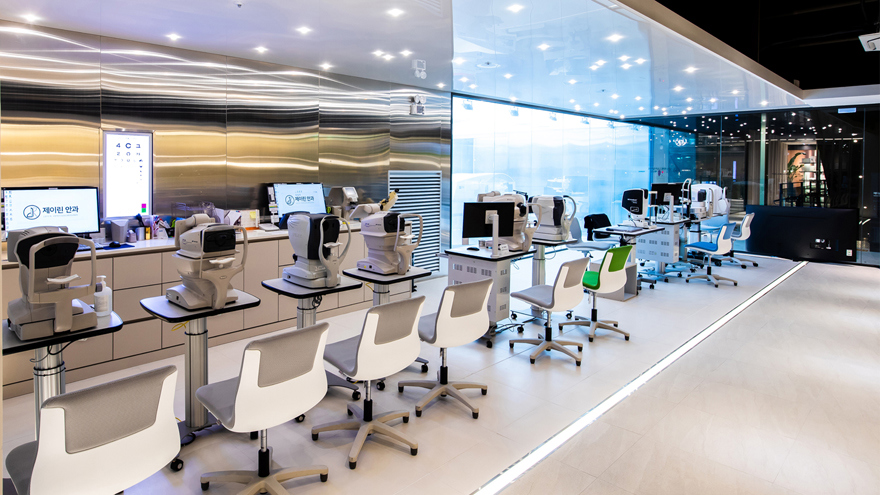
Jryn Eye Clinic in Busan is known for its expertise in treating retinal conditions like epiretinal membranes. Led by Dr. Han Sang Yeop, a highly respected retinal surgeon, the clinic uses the latest technology and advanced surgical techniques to provide patients with personalized care. Jryn Eye Clinic is committed to offering the best possible outcomes, supported by years of experience and a focus on patient-centered care.
The clinic’s use of advanced OCT imaging and microsurgical instruments ensures precise treatment, helping patients achieve the best possible vision recovery. Jryn Eye Clinic’s team is dedicated to making each patient’s journey as smooth as possible, from initial consultation through to postoperative care.
Frequently Asked Questions (FAQs)
Is the surgery for epiretinal membrane safe?
Yes, the surgery is safe when performed by an experienced surgeon. Advances in surgical techniques and imaging tools have minimized risks.
Will the surgery restore my vision completely?
Many patients experience a significant improvement in vision, but full restoration depends on factors like the severity of the condition and overall eye health.
How painful is the surgery?
The procedure is performed under local anesthesia, so there is minimal to no pain during surgery. Mild discomfort may occur after surgery, but it’s typically manageable.
What is the cost of the surgery?
Costs vary, but Jryn Eye Clinic offers personalized consultations to discuss pricing options and provide clear, transparent pricing.
Conclusion
Epiretinal membrane is a treatable condition that can affect your vision and quality of life. Early diagnosis and treatment are key to preventing permanent damage. With modern surgical techniques and the expertise of specialized clinics like Jryn Eye Clinic, patients have access to effective treatments that can significantly improve vision.
If you’re experiencing visual distortions or other symptoms of ERM, scheduling a consultation with a skilled ophthalmologist at Jryn Eye Clinic can help you understand your options and restore your quality of life.
Ready for a Personalized 1:1 Eye Consultation?
Schedule your comprehensive 3D eye examination with Chief Director Dr. Sang-Youp Han and our ophthalmology team on the 14th floor of JRYN Medical Center in Seomyeon, Busan.