Jryn Eye Clinic Busan (Seomyeon) · SMILE LASIK · EVO+ Visian ICL · Cataract & Retina Center · Tel: +82-51-710-1004
en-US

1:1 Consultation
CLINICAL ARTICLE & GUIDE
Dry Eye Treatment Korea: Advanced Care at Jryn Eye Clinic
Advanced dry eye treatment in Seoul with IPL, LipiFlow, and medical management. Comprehensive pre-op assessment for vision correction. English-speaking specialists.

Introduction
You have worn contact lenses for 15 years. Your eyes feel gritty by 2 PM, especially after hours staring at your computer screen. The thought of finally correcting your vision with SMILE or LASIK surgery excites you, but one persistent fear holds you back: Will the surgery make your dry eyes worse?
This is not paranoia. It is clinical reality. Post-operative dry eye is one of the most common side effects of refractive surgery. And for professionals like you who already struggle with dry eyes from screen time, air conditioning, and age-related changes, the decision to pursue vision correction requires more than just deciding between procedures. It requires expert dry eye management integrated into your entire surgical journey.
Most eye clinics treat dry eye as an afterthought, a condition you manage with artificial tears before and after surgery, if it is addressed at all. But Jryn Eye Clinic recognizes that dry eye is not simply a side effect to tolerate. It is a pre-operative condition that directly impacts your surgical candidacy, your procedure selection, your recovery timeline, and your long-term vision satisfaction.
If you have chronic dry eye, you deserve a clinic that does not just offer dry eye treatment. You deserve a clinic that integrates dry eye assessment and therapy into a comprehensive pre-operative protocol, ensuring that by the time you undergo SMILE, LASIK, or ICL surgery, your ocular surface is optimized, your expectations are realistic, and your post-operative care is specifically designed for your dry-eye-conscious needs.
By the end of this guide, you will understand what dry eye actually is and why it is so common among screen-intensive professionals. You will learn how to assess whether your dry eye will impact your vision correction candidacy and what diagnostic tests Jryn uses to measure severity. You will discover the full spectrum of dry eye treatment options available, from IPL photofacial therapy to LipiFlow thermal pulsation to medical management, and how each works. You will see why SMILE Pro is superior to conventional LASIK for dry-eye-prone patients, backed by clinical outcome data. You will understand Jryn's integrated pre-operative protocol and exactly how the clinic manages dry eye before, during, and after your vision correction surgery. You will learn what your post-operative dry eye care will look like, including how Jryn supports you after you return to your home city in the US. And you will know whether you are a candidate for immediate surgery or whether pre-operative dry eye treatment is the right first step.
Dr. Lee Jae Jung, specialist in ocular surface disease and retinal care, and the full Jryn Eye Clinic ophthalmology team combine 20 years of advanced eye care expertise with 600 annual surgeries and a comprehensive dry eye diagnostic and treatment capability that goes far beyond what most US eye clinics offer. This guide draws on clinical evidence, peer-reviewed outcome data, and real patient experience to answer every question dry-eye-conscious patients ask before committing to vision correction surgery.

Understanding Dry Eye: Why It Matters For Vision Correction
What Is Dry Eye?
Dry eye syndrome, clinically called keratoconjunctunctivitis sicca or ocular surface disease, is a condition where your tears are insufficient in quantity, quality, or stability to maintain a healthy ocular surface. This sounds simple, but it is more complex than simply not having enough tears. Your tears are actually a sophisticated three-layer system: the outer lipid layer (oil), the middle aqueous layer (water), and the inner mucin layer (mucus). When any of these layers is deficient or imbalanced, dry eye symptoms emerge.
There are two primary mechanisms of dry eye. Aqueous-deficient dry eye means your lacrimal glands do not produce enough tears, resulting in an insufficient water layer. Evaporative dry eye means your tears evaporate too quickly, usually due to meibomian gland dysfunction, where the oil glands in your eyelid margins fail to secrete properly. Many patients have both simultaneously, creating a compound problem that requires specific diagnostic assessment to address.
The result of dry eye is unmistakable: grittiness, burning, redness, paradoxical tearing (your eyes overproduce tears as a reflex response to dryness), fluctuating vision, contact lens intolerance, and the relentless sense that something is in your eye even when nothing is there. For professionals spending eight or more hours daily at computer screens, these symptoms are not occasional inconveniences. They are chronic occupational hazards that impact work performance and quality of life.
Why Is Dry Eye So Common Among Professionals?
Screen time is the most significant modern risk factor for dry eye. When you focus on a computer or phone, your blink rate drops by up to 60 percent, from a normal 15 to 20 blinks per minute to just 5 to 8 blinks per minute. Each blink distributes tears across the ocular surface. Fewer blinks mean less tear distribution and faster tear evaporation. This is especially problematic for professionals who spend their entire workday focused on screens without conscious awareness of their reduced blinking.
Add to this the environmental factors of professional life. Air-conditioned offices maintain 20 to 30 percent humidity, far below the 50 to 60 percent humidity your eyes prefer. Heating systems during winter further dry the air. Fluorescent or LED lighting increases evaporation. Professional stress also reduces tear production. High cortisol levels suppress lacrimal gland function, creating a physiological mechanism linking workplace stress directly to worsening dry eye symptoms.
Age amplifies these factors significantly. Women, in particular, experience meibomian gland dysfunction after age 40 due to hormonal changes, including declining estrogen and shifts related to perimenopause. For professional women aged 30 to 50, dry eye is no longer occasional irritation. It is a chronic occupational condition that demands clinical attention.
The Impact Of Dry Eye On Vision Correction Surgery
Here is why dry eye matters for your refractive surgery decision: Post-operative dry eye is one of the most common side effects of LASIK and SMILE surgery. Both procedures reshape your cornea, and this reshaping temporarily disrupts the corneal nerve innervation responsible for tear reflex and tear distribution. As corneal nerves regrow, a process that takes 3 to 6 months, many patients experience worsened dry eye symptoms during this critical healing window.
For patients who already have baseline dry eye, the post-operative period can be uncomfortable or even functionally disruptive. You may return to work too early only to find your eyes too dry to focus on screens. You may experience gritty sensations that make reading or concentration difficult. This is not a failure of the surgery. It is a predictable consequence of corneal nerve disruption that requires proactive management. That is precisely why Jryn integrates comprehensive dry eye assessment into pre-operative candidacy evaluation.
Dr. Lee Jae Jung explains this clearly: "Dry eye is not just an inconvenience. It directly impacts how your cornea heals after vision correction surgery. At Jryn, we do not view dry eye as a contraindication to surgery. Instead, we view it as a clinical parameter that requires thoughtful pre-operative assessment, targeted treatment, and post-operative management specific to your eyes. Most of our dry-eye-conscious patients achieve excellent vision outcomes and significantly improved ocular comfort, but only because we address dry eye as part of the surgical protocol, not as an afterthought."
Comprehensive Dry Eye Diagnostic Assessment At Jryn
The Jryn Comprehensive Dry Eye Diagnostic Protocol
Unlike many US clinics that rely on symptom questionnaires and a simple slit-lamp examination, Jryn uses advanced diagnostic equipment to objectively measure every parameter of your ocular surface health. This is not luxury. It is clinical necessity. Subjective symptoms alone do not determine whether your dry eye will impact your vision correction candidacy or post-operative recovery. Objective data does.
Jryn's dry eye diagnostic battery includes multiple advanced assessments. The Oculus Keratograph is an advanced imaging system that creates a detailed map of your tear film, meibomian glands, and corneal surface. It measures tear meniscus height, tear film lipid layer thickness, and identifies gland obstruction or atrophy. The result is a visual representation of your specific dry eye mechanism, information that guides treatment selection directly.
The Tear Osmolarity Test measures the salt concentration in your tears. High osmolarity above 308 mOsm/kg is a diagnostic marker of dry eye severity. This single measurement reveals whether your dry eye is driven by aqueous deficiency or lipid layer dysfunction, critical for determining whether IPL, LipiFlow, or medication is the right first-line treatment. This objective measurement transforms treatment planning from guesswork into precision medicine.
Meibomian Gland Imaging using infrared technology visualizes the structure of your meibomian glands. If glands are partially atrophied or obstructed, this imaging reveals it clearly. This is why LipiFlow and IPL are specifically indicated in meibomian gland disease. The imaging confirms that treatment will target the actual pathology rather than treating generically.
Tear Break-Up Time, or TBUT, and Corneal Staining are measurements that assess tear stability and ocular surface integrity. TBUT below 5 seconds indicates unstable tears. Staining patterns revealed with fluorescein dye show where your cornea is experiencing cellular damage from dryness. These measurements quantify the severity of ocular surface damage and establish baseline measurements to track treatment response.
The Tear Production Test, also called the Schirmer test, quantifies actual tear production volume, distinguishing aqueous-deficient dry eye from evaporative dry eye. Finally, the Ocular Surface Disease Index, or OSDI, is a standardized symptom questionnaire that identifies symptom severity and impact on quality of life. While subjective, this assessment tool captures exactly how you experience dry eye in your professional environment.
The entire protocol takes approximately 30 to 45 minutes and generates a comprehensive dry eye profile that no US clinic provides on a routine pre-operative basis.
Diagnostic Test | What It Measures | Clinical Significance | Normal Range |
|---|---|---|---|
Oculus Keratograph | Tear film, lipid layer, meibomian glands | Identifies mechanism of dry eye (aqueous vs. evaporative) | Meibomian glands fully visualized |
Tear Osmolarity | Salt concentration in tears | Confirms dry eye diagnosis; guides treatment | Less than 308 mOsm/kg |
TBUT | Tear film stability | Shows how long tears last before breaking up | Greater than 5 seconds |
Corneal Staining | Ocular surface integrity | Reveals cellular damage from dryness | No staining present |
Schirmer Test | Tear production volume | Quantifies aqueous tear deficiency | Greater than 15 mm in 5 minutes |
What Happens During Your Dry Eye Assessment At Jryn
Your assessment begins with a detailed intake consultation. You describe your symptoms, occupational screen time, environmental exposures including air conditioning and heating, symptom timeline, and any prior dry eye treatments attempted. This qualitative history is essential because it contextualizes your lab results and helps Dr. Lee Jae Jung understand your specific dry eye pattern within your professional and personal life context.
You then proceed through the diagnostic battery described above. Each test is explained before it is performed. You will understand what each measurement means and what it reveals about your specific dry eye pattern. This transparency removes anxiety and builds confidence in the assessment process.
After all testing, Dr. Lee Jae Jung or another Jryn ophthalmologist reviews your complete diagnostic profile with you. The discussion is specific and personalized. For example: "Your Oculus Keratograph shows meibomian gland obstruction consistent with evaporative dry eye. Your tear osmolarity is 320 mOsm/kg, which is elevated. Your Schirmer test shows adequate tear production, so your primary issue is tear quality and stability, not quantity. For you, we recommend IPL therapy as the first-line treatment before vision correction surgery. We will repeat diagnostics after your IPL course to confirm ocular surface improvement before proceeding to SMILE Pro."
This level of specificity is the Jryn difference. Instead of generic advice, you receive a diagnosis and a treatment plan tailored to your individual ocular surface condition.
Dr. Lee Jae Jung emphasizes the importance of this assessment: "The diagnostic assessment is where we make the treatment decision. Too many clinics skip this step and offer generic advice like 'try these drops and see how you feel.' That approach wastes months and leaves patients frustrated. At Jryn, we measure. We know exactly what is driving your dry eye. And we treat accordingly."
Advanced Dry Eye Treatment Options At Jryn

IPL Photofacial Therapy For Meibomian Gland Dysfunction
IPL, or Intense Pulsed Light therapy, is one of the most powerful dry eye treatments available, yet most US clinics do not offer it. Jryn uses advanced IPL specifically tuned for ocular surface disease to address the underlying causes of meibomian gland dysfunction.
Here is how IPL works: IPL emits broad-spectrum light with a wavelength between 500 and 1200 nanometers that is absorbed by hemoglobin in inflamed blood vessels around the eyelid margins. This inflammation is the root cause of meibomian gland dysfunction. When gland-adjacent blood vessels are inflamed, gland secretion is impaired and the glands become obstructed. IPL reduces this inflammation, restoring gland function and allowing improved secretion.
Simultaneously, IPL destroys Demodex mites, which are eyelash follicle parasites that contribute to meibomian gland obstruction and chronic inflammation. The combination effect is powerful: gland function recovers, gland secretion improves, and tear lipid layer stability is restored. Your tears become more stable, less prone to rapid evaporation, and more effective at maintaining ocular surface comfort.
Clinical outcomes demonstrate the effectiveness of IPL for dry eye. Studies show that 70 to 80 percent of patients with meibomian gland dysfunction experience significant symptom improvement after a four-week IPL protocol typically involving four treatments spaced one week apart. Most importantly for vision correction candidates, IPL effects are durable. Improvement persists for 6 to 12 months, meaning ocular surface stability is maintained throughout your post-operative recovery window when your eyes are most vulnerable.
IPL is ideal for professional women aged 32 to 44 with meibomian gland dysfunction and screen time-related dry eye. It is fast, requiring just one 15 to 20 minute session per week. It is evidence-based and addresses the root cause rather than just masking symptoms temporarily. The treatment protocol at Jryn includes four IPL sessions over four weeks, each spaced seven days apart. Sessions can be scheduled around your work calendar. Most patients report noticeable improvement by session two. Vision correction surgery can proceed one to two weeks after the final IPL treatment, allowing ocular surface optimization before surgical intervention.
LipiFlow Thermal Pulsation Technology
LipiFlow is a complementary technology that physically clears obstructed meibomian glands using controlled heat and massage. If IPL is the anti-inflammatory therapy, LipiFlow is the mechanical unblocking therapy that works synergistically with IPL treatment.
The device applies a precise combination of warmth at 42.5 degrees Celsius and gentle pulsatile pressure to your eyelid margin. The heat softens the lipid, or meibum, that has solidified within obstructed glands. The pulsation mechanically expresses the solidified secretions. The result is immediate gland clearance and restored lipid layer secretion. This mechanical approach works especially well for patients whose glands have become partially atrophied or significantly obstructed.
Clinical outcomes from LipiFlow demonstrate sustained improvement. A single 12-minute LipiFlow treatment produces immediate improvement in tear lipid layer thickness, measurable on Oculus Keratograph, and sustained symptom relief for 2 to 4 months. Many clinics combine IPL, the anti-inflammatory therapy, with LipiFlow, the mechanical clearance therapy, in a complementary protocol. IPL is performed first to reduce inflammation, then LipiFlow one week later to clear glands, maximizing synergistic effect. The combination is more powerful than either treatment alone.
The treatment protocol at Jryn includes one 12-minute LipiFlow session, typically scheduled one week after your final IPL treatment. The procedure is non-invasive, painless, and requires no recovery time. You can return to your desk immediately afterward. For vision correction candidates, LipiFlow-induced improvements are maintained through the post-operative period, ensuring stable tear quality during the critical 3 to 6 month corneal nerve regeneration window.
Medical Management: Prescription And Supplement Options
While IPL and LipiFlow address structural and inflammatory causes, medical management provides complementary symptom relief and ocular surface protection throughout your pre-operative and post-operative journey.
Cyclosporine ophthalmic emulsion, commercially known as Restasis, reduces inflammation and increases tear production. Prescribed twice daily, this medication produces gradual improvement over 4 to 8 weeks but provides durable relief once established. Ideally, cyclosporine is started 6 to 8 weeks before vision correction surgery to ensure maximum benefit during your post-operative healing period.
Lifitegrast, marketed as Xiidra, is a newer anti-inflammatory medication that reduces T-cell activation in dry eye. With twice-daily dosing, improvement occurs within 2 to 4 weeks, making it useful for patients who need rapid stabilization before surgery.
Topical corticosteroids are used for acute flare management in the immediate pre-operative period, such as one week before surgery, to maximize ocular surface comfort at the time of procedure. These are used short-term only due to potential side effects with extended use.
Hyaluronic acid supplements are enhanced artificial tears that stabilize tear film and provide sustained lubrication. Applied 4 to 6 times daily during pre-operative and post-operative periods, these preserve-free formulations provide comfort without the irritation sometimes caused by preserved drops.
Omega-3 supplements taken orally show clinical evidence of improving meibomian gland function and tear quality. A dose of 2,000 mg daily for 2 to 3 months is often prescribed as pre-operative preparation. These supplements address dry eye from an internal systemic level while other treatments work on external ocular surface issues.
Dry Eye And Vision Correction: Why SMILE Pro Outperforms LASIK
Why LASIK Causes More Post-Operative Dry Eye
LASIK, or Laser-Assisted in Situ Keratomileusis, involves creating a corneal flap, essentially lifting a 0.15 millimeter disc of corneal tissue, reshaping the underlying stromal layer, and replacing the flap. This procedure is elegant and effective, but it has one critical drawback for dry eye patients. The flap creation severs 95 percent of corneal nerves in the area where the flap is created.
Corneal nerves drive the blink reflex and tear production reflex. When these nerves are severed, tear production and tear reflex immediately drop for 3 to 6 months, the corneal nerve regeneration period. For patients with baseline dry eye, this nerve interruption is catastrophic. It turns subclinical or mild dry eye into symptomatic, functionally disruptive dry eye during the exact period when corneal healing is most vulnerable.
Clinical data on LASIK dry eye outcomes is sobering. Approximately 30 to 50 percent of LASIK patients report dry eye symptoms three months post-op. Between 15 and 20 percent report persistent dry eye at one year. Five to 10 percent develop chronic, clinically significant dry eye that persists beyond one year. For patients with pre-existing dry eye, these statistics worsen dramatically. Approximately 50 to 70 percent of LASIK patients with baseline dry eye develop symptomatic post-operative dry eye, fundamentally altering their post-operative experience.
Why SMILE Pro Is Superior For Dry Eye Patients
SMILE Pro, or Small Incision Lenticule Extraction, uses the VisuMax 800 femtosecond laser to create a small lens-shaped layer of corneal tissue, called the lenticule, within the cornea, then removes it through a tiny 3 to 4 millimeter incision without creating a flap. This flap-free approach represents a fundamental advancement for dry eye patients.
The critical advantage for dry eye patients is this: the SMILE Pro procedure does not sever corneal nerves as extensively as LASIK. The flap-free approach preserves the anterior corneal nerves that drive tear reflex. Fewer nerves are damaged. Corneal nerve regeneration occurs faster. Tear production reflex recovers sooner. Post-operative dry eye is significantly less common and less severe.
Clinical outcomes for SMILE Pro dry eye are substantially better than LASIK. Between 15 and 25 percent of SMILE Pro patients report dry eye symptoms three months post-op, compared to 30 to 50 percent for LASIK. Five to 10 percent report persistent dry eye at one year versus 15 to 20 percent for LASIK. Approximately 2 to 3 percent develop chronic post-operative dry eye beyond one year, compared to 5 to 10 percent for LASIK.
For patients with pre-existing dry eye, the advantage is even more pronounced. SMILE Pro patients show 23 to 35 percent lower incidence of clinically significant post-operative dry eye compared to LASIK. Symptom severity is substantially milder. Recovery timeline is faster, with most patients experiencing improvement by 4 to 6 weeks post-op rather than 8 to 12 weeks. This is not theoretical. Multiple peer-reviewed studies confirm this advantage consistently.
For Priya, a professional woman with screen-related dry eye who wants vision correction, SMILE Pro is not just a preference. It is the clinically superior choice. This is the evidence-based medicine that should guide your procedure selection if dry eye is a concern.
Dr. Lee Jae Jung explains the clinical reasoning: "Patients ask me, 'Will SMILE Pro make my dry eyes worse?' The honest answer is: SMILE Pro is specifically designed to minimize post-operative dry eye compared to LASIK. The flap-free approach preserves corneal nerves. For dry-eye-conscious patients, SMILE Pro is not just an upgrade. It is the appropriate choice. Combined with pre-operative dry eye treatment, most of my patients with baseline dry eye achieve excellent vision outcomes without functional dry eye symptoms."
The Integrated Pre-Op And Post-Op Dry Eye Strategy
Jryn's approach to dry eye and vision correction is integrated across your entire patient journey. During the pre-operative phase, spanning 4 to 8 weeks before surgery, you receive comprehensive dry eye diagnostic assessment, IPL and LipiFlow treatment protocol, medical management with cyclosporine, hyaluronic acid, and omega-3 supplementation, and ocular surface stabilization before SMILE Pro. Every step is designed to optimize your ocular surface before surgical intervention.
On the operative day, when you undergo SMILE Pro, Jryn provides intraoperative eye drops and ocular surface protection to minimize nerve trauma and optimize healing conditions. The procedure itself is nerve-preserving, but additional precautions during surgery protect your ocular surface further.
During the post-operative phase spanning 3 to 6 months after surgery, you receive aggressive dry eye prevention through an eye drop protocol, cyclosporine continuation, environmental controls including humidity management and screen breaks, weekly telemedicine check-ins with Jryn during weeks 1 to 4, and formal assessments at month 1 and month 3. This comprehensive protocol ensures that your post-operative dry eye, should it occur, is managed proactively rather than reactively.
Jryn's Pre-Operative Dry Eye Protocol: Your Complete Journey
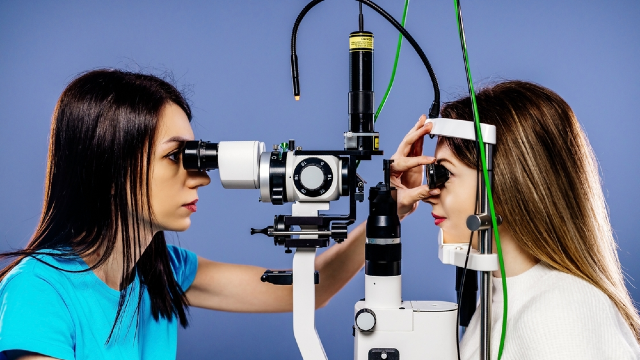
The Pre-Operative Timeline: From Assessment To Surgery-Ready
Understanding your complete pre-operative journey removes uncertainty and helps you plan your Seoul visit effectively. Here is exactly what to expect if you have baseline dry eye and want vision correction at Jryn.
During week one, you schedule your initial consultation and dry eye assessment. You begin with a virtual or in-person consultation with Jryn's international patient coordinator. You submit your prescription, medical history, and dry eye history via WhatsApp or email. Jryn performs preliminary candidacy assessment based on your information. The coordinator might say: "Based on your minus 5.00 prescription with dry eye, you are a good candidate for SMILE Pro. Dry eye treatment will require 4 to 6 weeks before optimal timing for surgery."
You then book your Seoul trip for 6 to 7 days, scheduling comprehensive assessment and treatment initiation during your visit. This upfront planning ensures maximum efficiency during your time in Korea.
During week two when you arrive in Seoul, your first appointment happens within hours of landing. You go from Incheon Airport to your hotel to Jryn clinic, all within 2 hours. Your comprehensive dry eye diagnostic battery takes 90 minutes: Oculus Keratograph, tear osmolarity, meibomian imaging, Schirmer test, corneal staining, OSDI questionnaire. You also receive SMILE Pro candidacy assessment, comprehensive vision correction evaluation, corneal topography, and wavefront analysis.
Dr. Lee Jae Jung or another Jryn ophthalmologist reviews your results the same day: "Your tear osmolarity is 315, meibomian glands show moderate obstruction, and your TBUT is 4 seconds. You are an ideal candidate for IPL and LipiFlow protocol before SMILE Pro. Here is your treatment plan tailored to your specific ocular surface condition."
For your dry eye pre-treatment protocol, you have two options. If you can stay in Seoul for the full treatment course, option A involves IPL session 1 during week 2, IPL session 2 during week 3, LipiFlow treatment during week 4, final pre-op check during week 5, and SMILE Pro surgery during week 6. This is ideal for optimal ocular surface preparation because everything happens sequentially without interruption.
If you cannot stay in Seoul for the full pre-treatment course, option B involves beginning IPL treatment in Seoul with 1 to 2 sessions, then returning home. You continue cyclosporine, hyaluronic acid drops, and omega-3 supplementation in the US over 4 to 6 weeks. Jryn provides detailed written instructions and maintains contact with you via WhatsApp. After 4 to 6 weeks, you return to Seoul for LipiFlow, final assessment, and SMILE Pro surgery.
By weeks 6 to 8, you reach surgery-ready confirmation. Your final dry eye assessment includes repeat Oculus Keratograph, tear osmolarity, and TBUT testing to confirm ocular surface stability. If stable, SMILE Pro surgery is scheduled for day 7 of your Seoul visit. You remain in Seoul for days 7 to 10 for mandatory follow-up care, then return home on day 11.
Your post-operative phase spans months 1 to 3 at home. You maintain intensive dry eye management with your prescribed eye drop protocol, cyclosporine continuation, weekly WhatsApp check-ins with Jryn during week 1, and formal assessments at month 1 and month 3. Jryn coordinates your care with your US optometrist using standardized Jryn post-op records, ensuring seamless continuity.
What You Need To Know: Candidacy, Expectations, And Next Steps
Not every patient with dry eye needs the full 4 to 6 week pre-operative dry eye treatment protocol. Some patients have mild, manageable dry eye that requires only medical management with drops and supplements. Others have moderate to severe dry eye that benefits substantially from IPL or LipiFlow. Jryn's comprehensive diagnostic assessment determines your specific protocol on day one of your visit.
Your realistic expectations about post-operative outcomes matter greatly for satisfaction. Post-operative dry eye will likely improve or resolve completely, especially if pre-operative dry eye treatment is completed. Most patients resume full screen-based desk work within 3 to 5 days without significant dry eye symptoms. Full resolution of dry eye symptoms and stable tear function occurs by 3 to 6 months post-op. Some residual dry eye awareness is normal for the first 4 to 8 weeks post-op, but should improve progressively.
Your next step is straightforward. If you have dry eye and are considering vision correction, book a free WhatsApp consultation with Jryn's international patient coordinator today. Submit your prescription and dry eye history. Receive a preliminary candidacy assessment and customized treatment timeline within 24 hours. Then decide whether Jryn is the right clinic for your journey.
Dr. Lee Jae Jung summarizes the philosophy: "The biggest misconception is that dry eye is a barrier to vision correction. It is not. Dry eye is a clinical parameter that requires thoughtful management. At Jryn, we do that management. We assess, we treat, we time the surgery for maximum ocular surface benefit, and we support you post-operatively. The result: patients achieve excellent vision outcomes without functional dry eye impairment."
Post-Operative Dry Eye Management: Your Week-By-Week Guide
Post-Operative Days 1–7: Intensive Dry Eye Protocol
Your eyes are most vulnerable during the first week post-op. Corneal nerves are severely disrupted. Tear production is minimal. Corneal sensation is diminished. This is why aggressive dry eye management is non-negotiable for your comfort and successful healing.
Your eye drop schedule during days 1 to 7 is intensive and specific. You apply hyaluronic acid drops, preservative-free, every 1 to 2 hours while awake, approximately 8 to 10 times daily. You use cyclosporine emulsion, Restasis or generic equivalent, twice daily at morning and evening. You apply lubricating ointment at bedtime, creating a protective barrier overnight. You use preservative-free artificial tears after meals, after screen use, and anytime your eyes feel dry.
Environmental controls are equally important as eye drops. Avoid air-conditioned rooms and maintain 50 to 60 percent humidity by using a humidifier in your bedroom. Minimize screen time to a 20-minute maximum at a time, then take a 20-minute screen break following the 20-20-20 rule. Sleep 7 to 8 hours nightly because sleep deprivation reduces tear production significantly. Avoid swimming, hot showers, and direct wind or air-conditioner exposure during this critical healing period.
Your activity restrictions during this week protect your healing cornea. Avoid driving because visual instability and reduced corneal sensation create a safety risk. Avoid strenuous exercise because increased eye pressure and evaporation hinder healing. Avoid makeup around your eyes to eliminate particle irritation risk. Wash your face gently only, never rubbing your eyes.
Post-Operative Weeks 2–8: Transition To Maintenance
By week 2, corneal sensation typically begins to recover. Tear production starts to increase. Post-operative dry eye symptoms often improve noticeably. Your eye drop schedule evolves accordingly.
During weeks 2 to 4, you apply hyaluronic acid drops every 2 to 3 hours, reducing frequency from the intensive every 1 to 2 hour schedule. You continue cyclosporine twice daily. You continue ointment at bedtime. You use artificial tears as needed, typically 4 to 6 times daily instead of the intensive schedule.
Your activity resumption accelerates. Week 2 allows gradual return to light desk work with 1 to 2 hour sessions and frequent breaks. Week 3 enables return to normal desk work and resumption of driving during daytime with frequent breaks. Week 4 allows return to normal activities and light exercise including walking, yoga, and stationary cycling.
During weeks 5 to 8, your eye drop schedule continues to taper. You use hyaluronic acid drops 3 to 4 times daily. You continue cyclosporine twice daily. You apply ointment at bedtime. You use artificial tears as needed. By month 3, you undergo reassessment with repeat dry eye diagnostic testing including Oculus Keratograph, tear osmolarity, and TBUT to measure objective improvement. Most patients show substantial improvement by this point.
Long-Term Dry Eye Follow-Up: Months 3–12
By month 3, most patients experience resolution of post-operative dry eye symptoms. However, Jryn maintains long-term follow-up to ensure sustained comfort and continued improvement. Your month 3 assessment includes repeat comprehensive dry eye diagnostics. Based on these results, you can reduce cyclosporine if tear osmolarity has normalized. Your artificial tear frequency is adjusted based on objective measures rather than guesswork.
During months 6 to 12, you have quarterly telemedicine check-ins via WhatsApp or email with Jryn. Any dry eye flare-up can be addressed immediately through remote consultation without requiring another international trip. If a flare-up occurs, Jryn coordinates with your US optometrist to implement targeted treatment based on your specific needs.
Long-term medications vary by individual. Some patients continue low-dose cyclosporine long-term because it is safe for extended use and provides ongoing benefit. Many patients can discontinue all prescription drops by month 6 and use only preservative-free artificial tears as needed. Omega-3 supplementation taken orally is often continued long-term for ongoing ocular surface health and maintenance of tear quality.
Dr. Lee Jae Jung explains this evolution clearly: "Post-operative dry eye is temporary, manageable, and entirely different from chronic baseline dry eye. We equip you with the right drops, the right schedule, and the right expectations. By week 4, most patients feel substantially better. By month 3, the majority have returned to normal comfort. The key is aggressive early management combined with realistic expectations about the recovery timeline."
Why Choose Jryn Eye Clinic For Dry Eye Treatment And Vision Correction
Dr. Lee Jae Jung's Expertise And Experience In Ocular Surface Disease
Dr. Lee Jae Jung is not a general ophthalmologist who treats dry eye as an occasional side issue. He is a specialist in ocular surface disease and retinal care with a specific clinical focus on the intersection of dry eye and refractive surgery. This specialization means he encounters complex dry eye cases regularly and has developed sophisticated approaches to managing them.
His credentials and experience are substantial. He is a board-certified ophthalmologist with the Republic of Korea Medical Association. He brings 15 years of clinical experience in ocular surface disease management. He has subspecialty training in meibomian gland dysfunction, evaporative dry eye, and post-refractive surgery dry eye. He has published research on SMILE Pro outcomes in dry-eye-prone patients. He presents regularly at international conferences including the American Academy of Ophthalmology and the Asia-Pacific Academy of Ophthalmology. He maintains professional memberships in the Korean Ophthalmological Society and Cornea Research Society.
His clinical philosophy guides his practice: "Dry eye is not a contraindication to vision correction. Dry eye is a clinical state that requires specialized assessment and integrated management. At Jryn, we do not view dry eye patients as 'complicated cases.' We view them as patients who deserve a specialist's attention throughout their entire surgical journey."
Jryn's Integrated Dry Eye And Vision Correction Approach
Jryn is one of the few Seoul clinics that integrates dry eye treatment directly into the vision correction journey rather than treating dry eye as a separate, unrelated service. This integration reflects a fundamentally different clinical philosophy compared to most eye clinics.
The difference is striking in practice. Most clinics ask, "Are you a candidate for SMILE Pro?" and assess refractive error. Jryn asks, "Are you a candidate for SMILE Pro, and what is your ocular surface status?" simultaneously, assessing both refractive error and dry eye at once.
Most clinics manage post-operative dry eye reactively, responding to patient complaints after problems develop. Jryn manages post-operative dry eye proactively, preventing symptomatic dry eye through systematic pre-operative treatment and intensive post-operative protocols.
Most clinics do not support post-operative care for international patients returning to the US. Jryn provides 3 to 6 month telemedicine follow-up with coordination between Seoul-based ophthalmologists and US-based optometrists, ensuring continuity of care across continents.
The result for patients like you, professional women with baseline dry eye who want vision correction, is straightforward: you achieve excellent vision outcomes without functional dry eye impairment. You are not forced to choose between correcting your vision and maintaining ocular comfort. Both are possible with expert, integrated management.
International Patient Support For Dry Eye And Vision Correction
Jryn provides dedicated support for international patients navigating dry eye management and vision correction. Languages are never a barrier because English-proficient clinical staff and patient coordinators support you throughout your entire journey from initial consultation through post-operative follow-up.
Your pre-visit coordination is thorough and personalized. You receive a free preliminary candidacy assessment via WhatsApp. You get a customized treatment timeline. You receive detailed pre-travel guidance covering everything from documents needed to medications to bring to what to expect physically and emotionally.
During your Seoul stay, you have dedicated support. An international patient liaison is assigned to your case. You receive transportation from airport to clinic. Accommodation near the clinic is arranged. A 24-hour emergency contact is provided for any urgent issues.
Your post-operative care coordination ensures you are never abandoned after you return to the US. You receive downloadable English-language clinical records. You get a standardized post-op dry eye care summary for your US optometrist. You have WhatsApp telemedicine follow-up during weeks 1, 2, 4, and 8 post-op. You have formal assessments at month 1 and month 3. Dr. Lee Jae Jung's ophthalmologists are available via secure WhatsApp message if complications or concerns arise after you return home.
How To Book Your Dry Eye Treatment And Vision Correction At Jryn
Step 1: Schedule Your Free Pre-Screening Consultation
The first step costs nothing and takes just 15 minutes of your time. This is a genuine preliminary assessment with no obligation to proceed.
Before you contact Jryn, prepare the following information: your current prescription from your most recent eye exam, a brief description of your dry eye symptoms including how long you have had them, what triggers them, and what makes them worse, and your availability for a Seoul trip so we can work around your professional schedule.
How to book is simple and fast. WhatsApp communication is fastest, with responses typically within 1 to 2 hours during Korean business hours. Email receives detailed written consultation within 24 hours. Phone calls are answered during Seoul business hours, 10 AM to 6 PM KST.
When you contact Jryn, a Jryn international patient coordinator will review your prescription and dry eye history, then provide you with preliminary candidacy assessment explaining whether you are an excellent candidate for SMILE Pro with the dry eye protocol. You will receive an estimated treatment timeline such as "6 to 7 day Seoul visit; pre-operative dry eye treatment plus SMILE Pro surgery possible." You will get a customized cost estimate showing what dry eye diagnostic, IPL, LipiFlow, and SMILE Pro surgery costs. You will learn the next steps including booking dates, pre-travel guidance, and payment information.
Step 2: Treatment Planning And Pre-Operative Preparation
Once you confirm your interest in proceeding, Jryn's international patient team creates your personalized treatment plan based on your prescription, dry eye severity, and schedule. They design your specific protocol showing exactly when you will have assessment, treatment sessions, and surgery.
Jryn provides comprehensive pre-travel guidance including a downloadable travel checklist covering documents needed, medications to bring, and what to expect. You receive Seoul airport-to-clinic transportation instructions and recommended hotels near Jryn at luxury, mid-range, and budget price points. You get a post-operative care packing list specifying special sunglasses, recovery supplies, and eye drops to bring home.
Jryn coordinates your logistics to minimize stress. Flight booking assistance connects you with trusted travel partners. Accommodation booking uses Jryn's established hotel partnerships. Medical tourism insurance information is provided to clarify what is covered under your policy.
Contact Information And Office Hours
Jryn Eye Clinic is located in the Gangnam District of Seoul, South Korea. The clinic phone number is available through their website. WhatsApp communication is fastest for international patients, with 24-hour availability for urgent questions. Email inquiries receive responses within 24 hours. The website provides full facility information and patient resources.
📞 Phone: +82517101004
💬 WhatsApp: Contact us via whatsapp
📧 Email: info@jryneyeclinic.com
🌐 Website: https://www.jryneyeclinic.com/
📍 Location: Busanjin-gu, Busan, Republic of Korea
🕘 Hours: Mon-Fri: 09:00 to 18:00, Sat: 09:00 to 13:00, Sun-PublicHolidays: Closed, LunchBreak: 12:30 to 14:00
Frequently Asked Questions
Q1: What Is The Difference Between Aqueous-Deficient And Evaporative Dry Eye?
Aqueous-deficient means low tear production, while evaporative dry eye involves rapid tear evaporation due to oil deficiency.
Q2: Can I Have SMILE Pro If I Have Severe Dry Eye?
Yes, with proper pre-treatment like IPL, LipiFlow, and medications to stabilize the eye surface.
Q3: How Long Does IPL Treatment Take And When Will I See Results?
Each session takes 15–20 minutes, with noticeable improvement by 2–4 weeks.
Q4: Is LipiFlow Painful?
No. It’s a comfortable, non-invasive treatment with gentle warmth and pressure.
Q5: Will Dry Eye Symptoms Improve After SMILE Pro?
Symptoms may worsen initially but improve significantly within 1–3 months.
Q6: How Long Should I Use Cyclosporine Drops After Surgery?
Typically 2–4 months, with adjustments based on recovery progress.
Q7: Can I Swim After SMILE Pro Surgery?
Avoid swimming for 2–3 weeks; resume gradually with precautions.
Q8: How Much Does Dry Eye Treatment Cost?
Complete treatment ranges from $1,500–$2,100 depending on needs.
Q9: Is Dry Eye Treatment Covered By US Insurance?
Usually not when performed abroad, though partial reimbursement may be possible.
Q10: What If I Have Complications After Returning Home?
Clinics provide remote support and coordinate with local doctors for proper care.
Conclusion
If you have dry eye, you no longer need to choose between living with blurred vision and risking worse dryness from surgery. Jryn Eye Clinic's integrated dry eye and vision correction approach proves that these two clinical challenges can be managed together with the right assessment, the right treatment, and the right timing. SMILE Pro combined with pre-operative dry eye treatment including IPL, LipiFlow, and medical management delivers excellent vision outcomes without functional dry eye impairment. The evidence is clear, the outcomes are proven, and the path forward is transparent.
Dr. Lee Jae Jung and the Jryn Eye Clinic team specialize in exactly this intersection: dry eye patients who want vision correction. With 20 years of ophthalmology expertise and 600 annual surgeries, Jryn has the clinical depth, diagnostic capability, and post-operative support infrastructure to help you achieve both clear vision and comfortable eyes simultaneously.
Your next step is simple and costs nothing. Book a free WhatsApp consultation with Jryn's international patient coordinator today. Share your prescription and dry eye history. Receive a preliminary candidacy assessment and customized treatment timeline within 24 hours. Then decide whether Jryn is the right clinic for your vision correction journey.
Contact Jryn today via WhatsApp, email, or phone. The clear, comfortable vision you want is achievable. The question is not "if" you can have both excellent vision and comfortable eyes. The question is "when" you will take the first step toward achieving it.
Take action today. Your spectacle-free future awaits. Contact Jryn Eye Clinic today
About the Author
Dr. Sang Youp Han, Board-Certified Ophthalmologist Chief Director, Jryn Eye Clinic, Seoul, South Korea
Dr. Sang Youp Han brings more than 20 years of ophthalmology experience to his role as Chief Director of Jryn Eye Clinic, where he leads a surgical team performing 600+ procedures annually. His clinical specialties encompass SMILE Pro, LASIK, LASEK, ICL implantation, cataract surgery, and comprehensive vision correction across the full refractive spectrum. Dr. Han's advanced vision correction and complication management expertise positions him as the clinical anchor for complex, borderline, and high-prescription cases at Jryn, with particular depth in surface ablation and the mitomycin C protocols that define modern LASEK outcomes. Professional memberships and full board certification details to be confirmed and inserted.
For consultations:
Phone: +82517101004
WhatsApp: Contact us via whatsapp
Email: info@jryneyeclinic.com
Ready for a Personalized 1:1 Eye Consultation?
Schedule your comprehensive 3D eye examination with Chief Director Dr. Sang-Youp Han and our ophthalmology team on the 14th floor of JRYN Medical Center in Seomyeon, Busan.