Jryn Eye Clinic Busan (Seomyeon) · SMILE LASIK · EVO+ Visian ICL · Cataract & Retina Center · Tel: +82-51-710-1004
en-US

1:1 Consultation
CLINICAL ARTICLE & GUIDE
Dream Lenses vs. LASIK: Choosing the Best Vision Correction
Explore the benefits, risks, and differences between Dream lenses and LASIK surgery. Find the best option for your vision needs at Jryn Eye Clinic.

Introduction
Imagine waking up and seeing clearly without fumbling for your glasses or worrying about contact lenses. For many people, this is the ultimate goal, and fortunately, two advanced options—Dream lenses and LASIK surgery—can help make it a reality. However, each option has its own unique advantages, and the right choice for you depends on your lifestyle, eye health, and vision goals.

Are you an active individual looking to eliminate the hassle of corrective eyewear during sports? Or perhaps you’re struggling with a high prescription that doesn’t respond well to traditional treatments? Understanding the differences between Dream lenses and LASIK will help guide you toward the right decision for your specific needs.
What Are Dream Lenses?
Dream lenses, formally known as EVO Visian Implantable Collamer Lenses (ICL), offer an innovative solution for vision correction. Unlike traditional contact lenses, Dream lenses are surgically implanted inside your eye, positioned behind the iris but in front of your natural lens. This placement allows them to effectively correct a wide range of refractive errors, including severe myopia (nearsightedness), which may be difficult to treat with LASIK.
One of the key benefits of Dream lenses is that they preserve the natural structure of your cornea. Since the procedure doesn’t require the removal of corneal tissue, it’s an excellent option for people with thin corneas or those who are prone to dry eyes. Additionally, the lenses are reversible, meaning if your vision changes in the future, the lenses can be safely removed or replaced.
Made from Collamer, a biocompatible material, Dream lenses allow for natural oxygen flow to the eye and provide UV protection, enhancing long-term eye health. This procedure can deliver sharper, clearer vision that often surpasses traditional corrective lenses.
What is LASIK Surgery?
LASIK, or Laser-Assisted in Situ Keratomileusis, is one of the most well-known vision correction procedures worldwide. LASIK uses a laser to reshape the cornea, the transparent outer layer of the eye, altering how light enters the eye to improve focus on the retina.
The process begins with the creation of a corneal flap, either using a microkeratome blade or femtosecond laser. A second laser then reshapes the corneal tissue beneath the flap, and the flap is repositioned, allowing for rapid recovery.
LASIK is ideal for individuals with mild to moderate refractive errors like nearsightedness, farsightedness, and astigmatism. It's particularly appealing due to its quick recovery time—many patients experience significant improvement in vision within 24 to 48 hours. Newer innovations like SMILE LASIK reduce the invasiveness of the procedure, further enhancing comfort and reducing recovery time.
Dream Lenses vs. LASIK: How They Differ
The major distinction between Dream lenses and LASIK lies in how they correct vision. Dream lenses are implanted inside the eye, bypassing the cornea entirely. This makes them an excellent choice for people with higher prescriptions or those who have thin or irregular corneas.

Conversely, LASIK involves reshaping the cornea with a laser, permanently altering its shape to improve vision. This procedure is generally fast, typically taking just 10 to 15 minutes per eye, and the recovery time is quick. However, LASIK requires a sufficient corneal thickness, which may limit its suitability for certain patients.
Both procedures are effective, but Dream lenses offer the advantage of reversibility and the ability to treat higher levels of myopia and other refractive errors that LASIK may not be able to address as effectively.
Real-World Benefits of Dream Lenses
Dream lenses provide a variety of benefits, particularly for those with high prescriptions or specific eye conditions:
Enhanced Visual Clarity: Since Dream lenses are implanted inside the eye, they often offer clearer, sharper vision than traditional glasses or contact lenses.
No Corneal Reshaping: Dream lenses are ideal for patients with thin corneas or those who may be at risk for complications from LASIK due to corneal thinning.
Reversible Option: If your vision changes over time, the lens can be removed or replaced, providing long-term flexibility.
UV Protection: Collamer lenses offer UV protection, which helps safeguard your eyes from harmful sun exposure.
For many patients, Dream lenses offer a solution that not only improves their vision but also maintains eye health over the long term.
Benefits of LASIK Surgery
LASIK is known for its numerous benefits, including:
Quick Recovery: Most LASIK patients experience improved vision within 24 to 48 hours and can return to normal activities within a day or two.
Proven Effectiveness: LASIK has a long track record of success, with millions of successful surgeries performed globally.
Less Invasive: LASIK is minimally invasive, and the procedure typically only takes about 10 to 15 minutes per eye.
Cost-Effective: Compared to implantable lenses, LASIK is often more affordable and widely available, making it a popular choice for many people.
Additionally, newer LASIK techniques, such as SMILE LASIK, offer further benefits like reduced corneal flap complications and faster healing times.
Risks and Complications: A Closer Look
Both Dream lenses and LASIK come with certain risks, though these are typically low when the procedures are performed by experienced surgeons.
For Dream lenses, potential risks include:
Cataracts: Over time, there is a small risk of cataract formation due to the implantation of the lens.
Increased Eye Pressure: In some cases, pressure inside the eye can increase, potentially leading to glaucoma if untreated.
Infection or Lens Dislocation: As with any surgery, there is a minimal risk of infection or lens movement, though these complications are rare.
LASIK also carries risks, including:
Flap Complications: Problems related to the corneal flap, such as incomplete healing or infection, can occur.
Dry Eyes and Visual Disturbances: Some LASIK patients report dry eyes or experience glare, halos, and night vision disturbances.
Undercorrection or Overcorrection: In some cases, LASIK may not fully correct vision, requiring additional procedures.
While both procedures have excellent safety profiles, a thorough preoperative evaluation is essential to determine the best treatment option for you.
Patient Stories: Insights from Real Experiences
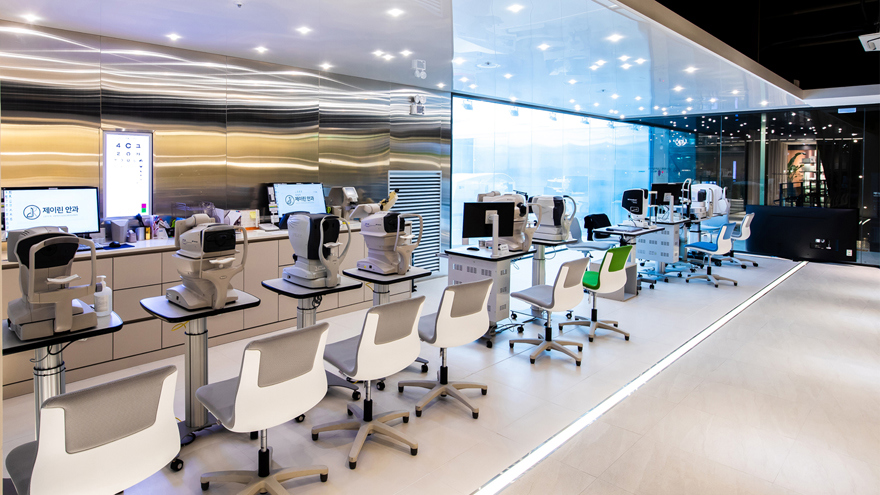
Real-life patient stories provide valuable insight into the effectiveness of both procedures.
Dream Lenses: "After years of struggling with my severe nearsightedness, I finally found relief with Dream lenses. For the first time in years, I can see clearly without glasses. The best part? If my prescription changes in the future, I can simply adjust the lenses."
LASIK: "I was back at work the very next day after LASIK, and I noticed a huge difference in my vision immediately. I couldn’t believe how quickly I recovered. No more glasses or contacts, and my vision is sharper than ever."
These success stories reflect the high satisfaction rates associated with both procedures.
Technological Innovations: Cutting-Edge Advancements
The technology behind both Dream lenses and LASIK has evolved dramatically in recent years, improving precision, safety, and comfort for patients.
Dream Lenses: The latest generation of EVO Visian ICLs offers enhanced UV protection and improved biocompatibility. Advances in lens material and design have led to smaller incisions, faster healing times, and reduced complications.
LASIK: Advances in femtosecond lasers and wavefront-guided systems have significantly enhanced LASIK procedures. SMILE LASIK, a newer technique, reduces the invasiveness of the surgery, leading to faster recovery times and fewer side effects.
At Jryn Eye Clinic, state-of-the-art equipment, such as the VisuMax femtosecond laser for SMILE LASIK, ensures patients receive the most effective treatment available.
Conclusion: Making the Right Choice
Choosing between Dream lenses and LASIK is a personal decision that should be based on your specific needs, lifestyle, and eye health. If you have a high prescription or thin corneas, Dream lenses may be the best option for you. If you want a quick, minimally invasive procedure and have mild to moderate refractive errors, LASIK might be a more suitable choice.
Consulting with an experienced ophthalmologist is essential to determine which procedure will best meet your vision goals. At Jryn Eye Clinic, you can receive a personalized evaluation to guide your decision-making process.
Don’t settle for anything less than perfect vision. Reach out to Jryn Eye Clinic for a consultation and take the next step toward clearer vision and a more confident lifestyle.
Ready for a Personalized 1:1 Eye Consultation?
Schedule your comprehensive 3D eye examination with Chief Director Dr. Sang-Youp Han and our ophthalmology team on the 14th floor of JRYN Medical Center in Seomyeon, Busan.