Jryn Eye Clinic Busan (Seomyeon) · SMILE LASIK · EVO+ Visian ICL · Cataract & Retina Center · Tel: +82-51-710-1004
en-US

1:1 Consultation
CLINICAL ARTICLE & GUIDE
Does EVO ICL Get Cloudy Over Time?
Discover if EVO ICL lenses get cloudy over time, what causes it, and how it's treated. Learn the facts from experts before choosing vision correction.
Introduction
Imagine this: You’ve finally taken the step to correct your vision. No more glasses fogging up in Busan’s humid summers. No more fumbling for lenses every morning. You’ve chosen EVO ICL—highly praised for its precision, reversibility, and clarity. But a few years in, you start to wonder: “Is it still working? Why does my vision feel a bit hazier than before?”
This question is more common than you might think. At Jryn Eye Clinic, many patients who’ve undergone EVO ICL—or are considering it—ask us whether the lens can become cloudy over time. It’s a reasonable concern. After all, the lens sits inside your eye. Shouldn’t it age like the rest of your body?
Here’s the good news: the EVO ICL is designed to last. The lens itself doesn’t become cloudy. But—and this is an important but—the eye’s natural structures do continue to age. That means it’s possible to experience cloudy or blurry vision years after surgery, not because the ICL failed, but because the eye around it changed.
In this article, we’ll walk you through what that means. From cataracts to corneal health, from post-op healing to long-term monitoring, we’ll cover everything you need to know to protect your vision for years to come.
Understanding EVO ICL: What It Is and How It Works
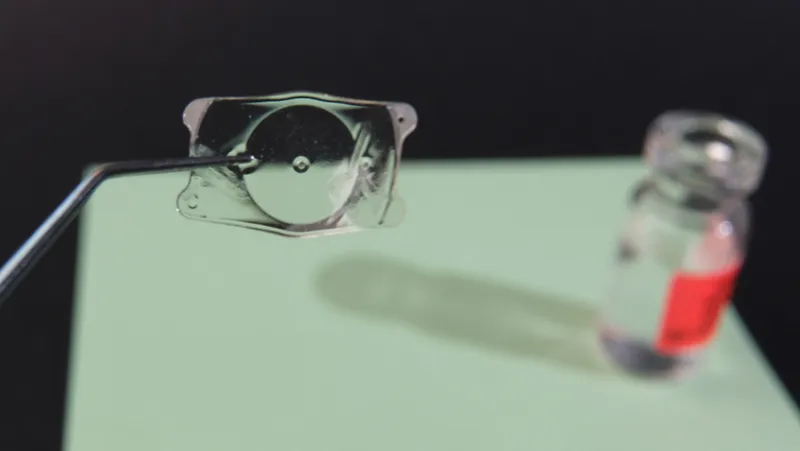
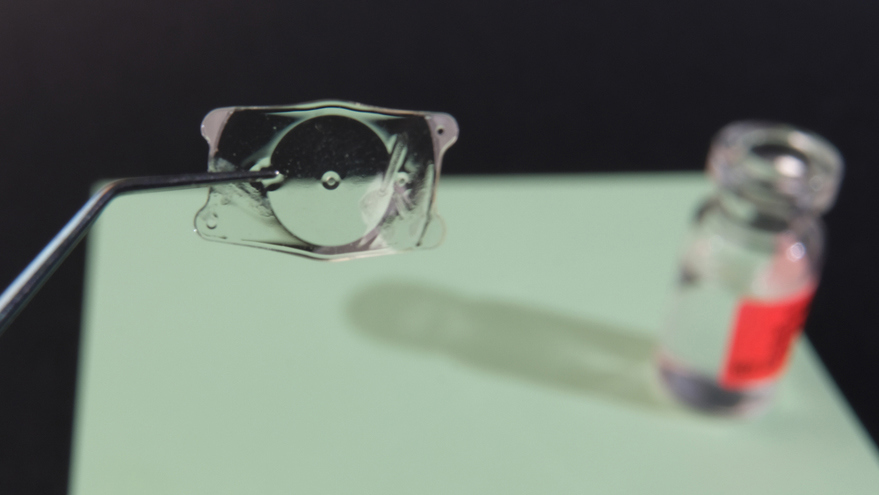
The EVO ICL (Implantable Collamer Lens) is a soft, biocompatible lens designed to correct moderate to severe nearsightedness, with or without astigmatism. It’s implanted between the iris and the natural lens of the eye. Unlike LASIK or SMILE procedures, it doesn’t reshape the cornea—instead, it works more like a permanent internal contact lens.
One of the biggest appeals of EVO ICL is that it’s reversible and doesn’t involve removing any tissue. That makes it a popular choice for patients who either don’t qualify for laser vision correction or are looking for a more flexible long-term solution. At Jryn Eye Clinic, we often recommend EVO ICL to patients with thin corneas, high degrees of myopia, or dry eye syndrome—cases where LASIK or SMILE may not be the ideal option.
Because EVO ICL doesn’t remove the natural lens, your eye continues to age just like any other. This distinction is crucial when talking about long-term clarity.
Can the EVO ICL Lens Itself Become Cloudy?
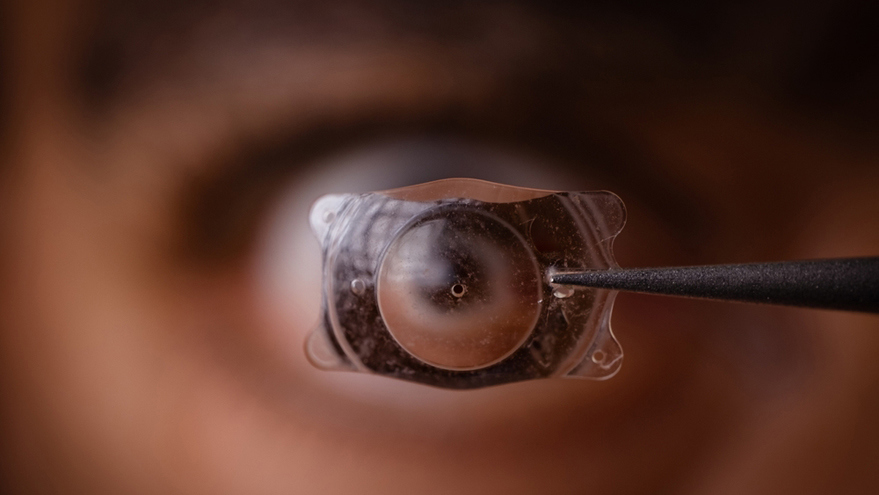
Scientifically and clinically speaking, the EVO ICL material (collamer) is designed to remain clear indefinitely. It’s not like a contact lens that accumulates protein deposits or needs cleaning. It’s an inert material, engineered to stay transparent and stable inside the eye for decades.
In the vast majority of cases, the lens remains just as clear 10 years post-surgery as it was on day one. It is UV-blocking, hydrophilic, and created to coexist with the eye’s internal environment without triggering inflammation or deposit formation.
However, if you’re experiencing cloudy or blurry vision, it’s natural to wonder if the lens itself is to blame. In truth, it’s usually not the ICL—it’s the eye.
Why Cloudy Vision Happens: It’s Not the ICL, It’s Your Eye
Vision may become hazy after ICL surgery for a number of reasons—but the most common culprits are:
1. Cataract Formation
The EVO ICL is placed in front of your natural lens. Over time, that natural lens can develop opacities—what we call cataracts. This happens to everyone eventually, but some studies show that having an ICL may accelerate this process slightly, particularly in older patients or those with high myopia.
At Jryn Eye Clinic, we routinely monitor patients’ lens clarity during their annual eye check-ups. Early cataract changes are often subtle and can mimic the symptoms of ICL-related vision changes, when in fact, the ICL is still perfectly clear.
2. Corneal Changes and Endothelial Cell Loss
Another cause of cloudy vision is corneal edema—swelling of the cornea that can happen if the inner layer of corneal cells (the endothelium) is damaged or declines too rapidly. These cells don’t regenerate, and they’re essential for keeping the cornea clear and fluid-free.
Though rare, some ICL patients may experience gradual endothelial cell loss, especially if the lens was not properly sized or monitored. This is why precision in pre-op measurements and long-term follow-up are so essential—a hallmark of how we approach care at Jryn Eye Clinic.
We use specular microscopy and anterior segment OCT to assess endothelial health. This helps us detect subtle changes early and protect long-term corneal transparency.
3. Post-Surgical Complications or Healing Responses
In the short term, some patients experience mild haziness or glare after ICL surgery. This is usually temporary and part of the normal healing process. Inflammation, fluid retention, or a slight misalignment of the lens can contribute to early visual disturbances—but these are treatable and typically resolve with time and proper care.
What Real Patients Often Misinterpret
Here’s where experience matters. Many patients come to us saying, “I think my ICL is going bad,” when what they’re really dealing with is a developing cataract or age-related eye changes. Unlike corneal laser surgery, ICL doesn’t “wear off,” but your eye’s natural structures still age and change.
To be honest, the lens itself almost never clouds. What people often overlook is that the success of ICL also depends on the long-term health of the surrounding eye tissue.
In Korea, where regular eye check-ups are part of the healthcare culture, we often catch these issues early. But for international patients who might go years without follow-up, symptoms can be misattributed. That’s why we always recommend yearly exams—no matter how well you’re seeing.
Monitoring and Prevention: Why Follow-Up Matters
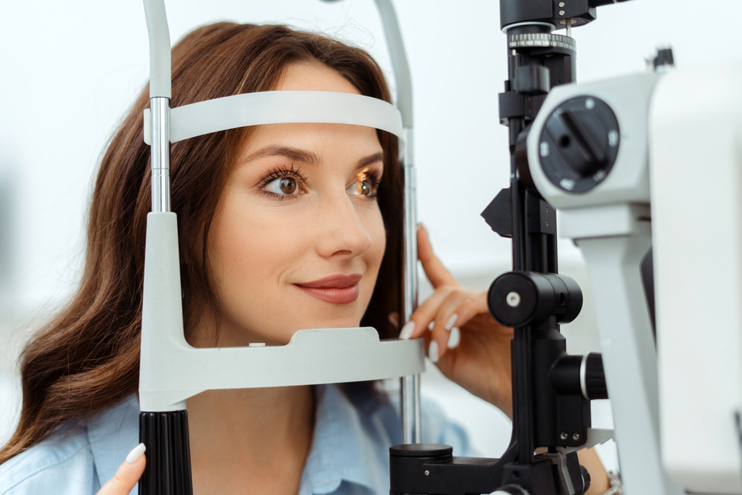
Just like you’d service a high-end vehicle, your eyes deserve maintenance too. After EVO ICL implantation, annual check-ups are vital. These visits allow your ophthalmologist to:
Monitor lens positioning
Check for early cataract changes
Measure endothelial cell count
Ensure eye pressure remains within safe limits
Detect angle narrowing or pigment dispersion if applicable
At Jryn Eye Clinic, our ongoing care model means we track these metrics with ultra-precise diagnostic tools—often before symptoms even arise. In cases where we detect early changes, proactive interventions can preserve clear vision for decades.
These checkups typically take less than 30 minutes and offer peace of mind that your vision investment is protected.
If Cloudiness Occurs: What Can Be Done?
If you’re experiencing hazy vision after ICL surgery, here’s what might be recommended:
Cataract Surgery: If your natural lens is clouding, we may remove it and replace it with an intraocular lens (IOL). The ICL is often removed during the same procedure. Today’s premium IOLs can also correct presbyopia or astigmatism.
Corneal Treatment: If endothelial loss is the issue, steps can be taken to reduce intraocular pressure, halt further loss, or—if needed—explore corneal transplantation. We collaborate with corneal specialists for complex cases.
Lens Repositioning or Exchange: In rare cases, a misaligned ICL may need repositioning. If sizing was suboptimal, a lens exchange can resolve the problem. At our clinic, we use ultrasound biomicroscopy and high-resolution measurements to select the right lens size from the start.
The good news? These scenarios are manageable when caught early. Vision can often be restored to high-definition clarity.
Final Thoughts: Long-Term Clarity Starts with Informed Choices
So—does the EVO ICL get cloudy over time? No, not the lens itself. But yes, the eye’s natural structures can develop changes that affect clarity. Understanding the difference can spare you unnecessary worry and ensure you take the right steps to protect your vision.
We believe that the best outcomes come from precision surgery paired with compassionate, long-term follow-up. At Jryn Eye Clinic, we don’t just perform ICL procedures—we walk with you every step of the way.
If you’re in Busan or surrounding regions and want a second opinion on hazy vision—or you're curious whether EVO ICL is right for you—book a consultation with our team. We’re here to help you see the full picture, clearly and confidently.
Ready for a Personalized 1:1 Eye Consultation?
Schedule your comprehensive 3D eye examination with Chief Director Dr. Sang-Youp Han and our ophthalmology team on the 14th floor of JRYN Medical Center in Seomyeon, Busan.