Jryn Eye Clinic Busan (Seomyeon) · SMILE LASIK · EVO+ Visian ICL · Cataract & Retina Center · Tel: +82-51-710-1004
en-US

1:1 Consultation
CLINICAL ARTICLE & GUIDE
Do You Need Someone to Drive You After LASIK?
Wondering if you need a driver after LASIK? Learn why it's essential to arrange a ride home and what to expect post-surgery. Stay safe—read before your procedure!

Introduction

If you’ve scheduled a LASIK procedure—or even just started thinking about it—you’re likely filled with both excitement and a few practical questions. One of the most common we hear at Jryn Eye Clinic in Busanjin-gu, Busan is this: “Will I be able to drive myself home after surgery?” It might seem like a small detail, but transportation is a critical part of your recovery plan.
Here’s the short answer: No, you should not drive yourself home after LASIK.
But behind that simple answer lies a deeper understanding of what your eyes go through during and after vision correction. In this article, we’ll walk you through exactly why driving after LASIK isn’t recommended, what your vision will be like immediately after surgery, how long you should wait, how different vision correction techniques (like SMILE) compare, and how to prepare for a smooth and successful recovery.
We’ll also answer questions we often hear from international patients and those traveling from outside Busan. By the end, you’ll have a clear sense of how to take care of your eyes—and yourself—in the crucial first hours after LASIK.
Why You Shouldn't Drive Right After LASIK
Even though LASIK is a quick, outpatient procedure (typically under 15 minutes per eye), the effects on your vision begin immediately. Once the laser reshapes your cornea, your eye enters a healing mode. At this stage, vision is in flux. You may experience:
Blurred or foggy vision
Sensitivity to light
Excessive tearing
A gritty or burning sensation (like something is in your eye)
This is all completely normal.
These symptoms usually start to ease within a few hours, but during that window, your visual judgment and reflexes may not be reliable enough for safe driving. In fact, Korean medical guidelines and most global ophthalmology standards strongly advise patients not to drive for at least 24 hours post-LASIK.
Think of it like this: your eyes are temporarily "rebooting." Letting them rest is the best way to support clear, stable vision.
What Happens Immediately After LASIK?
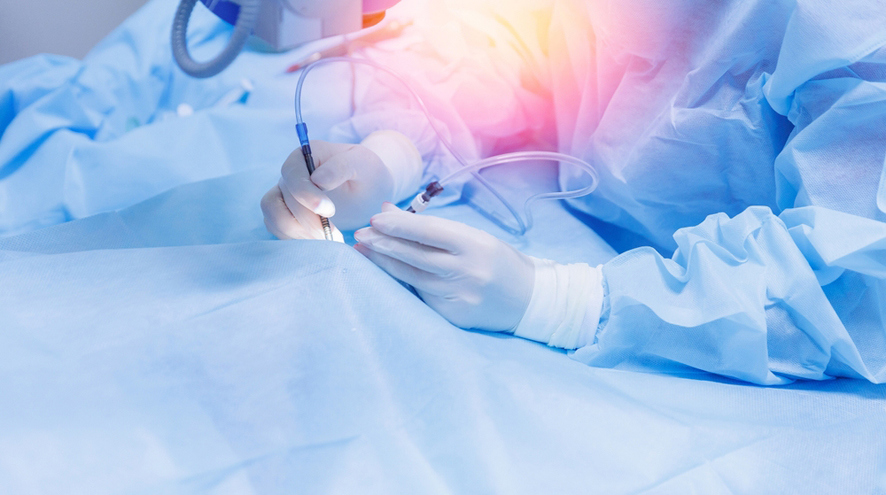
At Jryn Eye Clinic, once your procedure is complete, we guide you to a recovery room where you can rest for a short period. Most patients are surprised at how quickly it's over—many remark that the entire process feels faster than a typical dental cleaning.
But here’s what many don’t realize: even if you feel fine physically, your eyes are undergoing a major visual recalibration. We apply protective eye shields and provide detailed post-op instructions. Among them: wear sunglasses, avoid rubbing your eyes, use prescribed eye drops faithfully, and yes—arrange for someone to accompany you home.
Most patients describe their vision immediately after LASIK as "foggy" or "watery." Some say it’s like looking through a steamed-up mirror or car window. You might see halos around lights, feel more sensitive to sunlight, or struggle with depth perception. These effects make driving—not only uncomfortable but genuinely dangerous.
Also, anesthesia drops and any mild sedatives used before or during the procedure can subtly affect your coordination and alertness. It may not feel significant, but even a small decrease in reaction time can have real-world consequences on the road.
Why 24 Hours Makes a Difference
By the next day, the majority of our patients report noticeable improvement. Vision sharpens, light sensitivity decreases, and overall comfort returns. This is why most are cleared to drive after their first-day follow-up exam.
During this follow-up visit, we:
Check your visual acuity (how clearly you’re seeing)
Examine the corneal flap or incision area for proper healing
Ensure there are no signs of infection, inflammation, or excessive dryness
If everything looks stable and your vision meets the legal requirements for driving, we’ll give you the green light. But if healing needs more time, we’ll recommend holding off for another 24 hours.
Some patients, especially those with higher prescriptions or pre-existing dry eye, may notice more fluctuation in their vision during the first few days. That’s completely normal—and we always prioritize safety and clarity over speed.
What About SMILE LASIK or Other Procedures?
At Jryn Eye Clinic, we offer multiple vision correction options, including SMILE LASIK, EVO ICL, and LASEK. Each comes with its own recovery timeline.
SMILE (Small Incision Lenticule Extraction) is particularly popular among patients with active lifestyles or those concerned about flap-related complications. It uses a femtosecond laser to create a tiny incision through which a thin layer of corneal tissue is removed. The surface of the eye remains more intact than with traditional LASIK.
While SMILE often results in less dryness and fewer immediate side effects, you still should not drive yourself home. Your visual clarity, depth perception, and reaction time may still be compromised during the first few hours.
For EVO ICL (Implantable Collamer Lens) and LASEK, recovery may take slightly longer, and driving restrictions may extend beyond 24 hours. We always tailor our recommendations based on the procedure type and your unique healing profile.
Planning Ahead: The Key to a Smooth Recovery

When we say “don’t drive,” we don’t mean you need to become completely dependent. We simply mean that the first 24 hours after your procedure are precious—and deserve careful planning.
Here’s what we advise:
Arrange transportation in advance. Ask a trusted friend or family member to come with you or schedule a taxi or driver service.
Wear sunglasses home. Light sensitivity is common, and Busan’s sun can feel harsh on healing eyes.
Avoid screen time. Give your eyes rest from phones and tablets.
Use eye drops as directed. These help prevent dryness and support healing.
Clear your day. Cancel meetings, errands, and any nonessential activities.
Sleep or rest with eyes closed. The more you rest, the faster your eyes stabilize.
This short period of care pays off long-term. Giving your eyes a full 24 hours to recover without stress dramatically improves early visual outcomes and reduces post-op dryness or irritation.
For Patients Visiting Busan from Other Cities or Countries
Jryn Eye Clinic treats patients not only from Busan, but also Seoul, Daegu, and even internationally from Japan, Singapore, and beyond. If you're traveling for your procedure, we’ll help coordinate logistics so you feel supported every step of the way.
For non-local patients:
We recommend booking at least one night’s accommodation near the clinic.
Our staff can suggest nearby recovery-friendly hotels.
We offer bilingual support for English, Chinese, and Japanese-speaking patients.
We can arrange for post-op transportation or provide driver service options.
The last thing you want after surgery is to worry about navigating public transport or driving in a new city. Let us help you rest.
What If You Accidentally Drove Anyway?
Occasionally, a patient will ask: “What if I just feel fine? Can I drive a short distance?”
Our answer: It’s not worth the risk.
Even if your vision seems okay at first, your eyes are still reacting to surgery. There’s always the potential for sudden blurriness, dry eye flare-ups, or sensitivity to headlights. Not only do you put yourself at risk, but you also jeopardize others on the road.
We understand the temptation—especially in today’s busy world. But remember: LASIK is a long-term investment. One day of rest can make all the difference.
Final Word: Let Someone Else Take the Wheel—For Just One Day
Vision correction is a life-changing decision. It offers freedom from glasses and contacts and a fresh perspective on daily life. But like all meaningful changes, it deserves patience.
At Jryn Eye Clinic, we believe in precision-driven care that extends beyond the operating room. From the moment you walk in to the moment you leave, your safety is our highest priority.
Taking this small precaution doesn’t just protect your safety—it enhances your overall recovery. The clearer and more stable your vision is in the early hours, the smoother your long-term results will be. Postoperative healing isn’t only about lasers and medications—it’s about care, support, and intentional recovery choices.
Remember, the goal of LASIK isn’t just improved vision. It’s freedom, comfort, and confidence. That starts with how you treat your eyes in the first 24 hours. It’s not a time to push through or “just try”—it’s a time to pause and let healing happen fully.
If you’ve come this far—whether researching LASIK for the first time or preparing for surgery—you’re already making thoughtful decisions about your health. Keep going. Be intentional. Let someone else drive, and give yourself the quiet space to welcome in your new vision.
Ready for a Personalized 1:1 Eye Consultation?
Schedule your comprehensive 3D eye examination with Chief Director Dr. Sang-Youp Han and our ophthalmology team on the 14th floor of JRYN Medical Center in Seomyeon, Busan.