Jryn Eye Clinic Busan (Seomyeon) · SMILE LASIK · EVO+ Visian ICL · Cataract & Retina Center · Tel: +82-51-710-1004
en-US

1:1 Consultation
CLINICAL ARTICLE & GUIDE
Do You Need Cataract Surgery After LASIK?
Discover if you need cataract surgery after LASIK, how it works, and what to expect for clear vision. Learn more with expert guidance today!

Introduction: When Vision Becomes Cloudy Again

It is a moment that surprises many patients. A man in his early 60s sits across from us in the consultation room. He had LASIK two decades ago, proudly enjoyed glasses-free vision for years, and now notices his eyesight fading once again. Streetlights glare when he drives home at night. The newspaper print looks dim, even with bright lighting. The question comes almost hesitantly: “Doctor, is my LASIK wearing off? Or do I need cataract surgery?”
At Jryn Eye Clinic in Busanjin-gu, Busan, we hear this scenario regularly. Korea embraced LASIK and other vision correction procedures early, especially among younger generations who valued clear sight without glasses or contact lenses. Now, those same patients are reaching their 50s and 60s—the age when cataracts naturally develop.
The important truth is this: having LASIK in the past does not protect you from cataracts. LASIK changes the shape of the cornea, while cataracts occur inside the natural lens of the eye. These are separate issues, and one does not cancel out the other.
The real concern is not whether cataract surgery is needed—almost everyone will need it if they live long enough—but how it should be approached in patients who have already undergone LASIK. That is where experience, technology, and careful planning make a difference.
Understanding LASIK and Cataracts: Two Different Problems
To grasp why cataract surgery may still be necessary, it helps to understand what LASIK and cataracts actually address.
LASIK (Laser-Assisted In Situ Keratomileusis): This procedure reshapes the cornea—the clear dome at the front of the eye. By adjusting how light bends as it enters the eye, LASIK corrects refractive errors such as myopia (nearsightedness), hyperopia (farsightedness), and astigmatism. The procedure is performed only once and provides lasting results for the cornea.
Cataracts: Cataracts develop in the eye’s natural crystalline lens, located behind the iris. Over time, proteins in the lens clump together, causing the lens to become cloudy. This cloudiness scatters light and makes vision blurry, hazy, or yellowed. Unlike LASIK, which changes the cornea’s shape, cataracts affect the internal structure of the eye.
A helpful analogy is to think of LASIK as polishing or reshaping the outer glass of a window, while cataract surgery is about replacing the foggy glass inside the window frame. Both matter for clarity, but they target very different parts of the visual system.
Why Cataracts Still Develop After LASIK

Cataracts are a natural part of aging, not a complication of LASIK. No matter how sharp your vision was after LASIK, the aging process continues inside the eye.
In Korea, where annual or biannual health check-ups are routine, cataracts are often detected during screenings. Many patients are surprised when they hear the diagnosis. They thought their fading vision meant their LASIK had failed, but the reality is that their cornea remains stable while their lens has simply become cloudy.
The typical signs of cataracts include:
Blurry or dim vision that glasses do not correct
Glare or halos around lights, especially at night
Difficulty reading small print, even with good lighting
Colors appearing faded or yellowed
Needing brighter light for detailed tasks
These symptoms progress slowly. Some patients tolerate them for years before realizing how much clarity they have lost. Cataract surgery becomes necessary not because LASIK failed, but because the natural lens must be replaced.
Is Cataract Surgery More Complicated After LASIK?
This is one of the most important questions patients ask. The cataract operation itself—removing the cloudy lens and replacing it with an artificial intraocular lens (IOL)—is not inherently more dangerous in post-LASIK patients. The steps of the surgery remain the same.
The complexity lies in choosing the correct IOL power.
Before cataract surgery, precise measurements of the eye are taken to calculate which lens strength will provide the best focus. Standard formulas work well for patients who never had LASIK. But LASIK alters the natural curvature of the cornea. This change can confuse standard calculations, leading to unexpected results if special adjustments are not made.
In other words, the surgery itself is straightforward, but the planning requires advanced tools and experience.
At Jryn Eye Clinic, we rely on:
Swept-source optical coherence tomography (OCT) biometers to measure the true shape of the eye.
Ray-tracing software that accounts for the altered corneal curvature after LASIK.
Specialized IOL calculation formulas developed specifically for post-refractive surgery patients.
Historical LASIK data (if available), which can further refine the calculation.
The goal is to avoid the disappointment of ending up with unexpected refractive errors after cataract surgery. For patients who once enjoyed glasses-free life after LASIK, accuracy matters deeply.
Choosing the Right Lens After LASIK
Cataract surgery today is not only about removing the cloudy lens. It is also about choosing the right replacement lens to match the patient’s lifestyle.
The main lens options include:
Monofocal IOLs: Provide clear vision at one distance, usually far. Glasses may still be needed for near tasks such as reading.
Toric IOLs: Correct astigmatism in addition to providing sharp distance vision.
Multifocal or extended depth-of-focus IOLs: Provide a wider range of vision, reducing dependence on glasses for both near and far distances.
For patients who previously had LASIK, the decision is highly individualized. Some patients may prefer the stability of a monofocal lens. Others, particularly those who value reading or computer work without glasses, may choose advanced multifocal lenses.
At Jryn Eye Clinic, Dr. Han Sang Yeop takes time to understand each patient’s priorities. A retiree who enjoys fishing off the coast of Haeundae may want distance clarity. A grandmother who spends afternoons reading with her grandchildren may prefer near vision. The choice is not one-size-fits-all—it is about restoring not just sight, but quality of life.
Patient Concerns: Common Questions and Reassurances
Patients often express several concerns when faced with cataract surgery after LASIK:
“Will cataract surgery undo my LASIK results?”
No. Cataract surgery does not affect the cornea, where LASIK was performed. With accurate IOL planning, you can still enjoy clear, glasses-free vision.“Is cataract surgery riskier after LASIK?”
The surgical risks are the same. The difference lies only in lens power calculation, which requires advanced technology and expertise.“Will I need glasses again?”
That depends on the chosen lens type and your visual goals. Many patients remain glasses-free, while others may use reading glasses for fine tasks.
One of our patients, a 59-year-old office worker from Busan’s Seomyeon district, had LASIK in her 30s. She returned with complaints of glare during night driving. After cataract surgery with a toric IOL, she was thrilled: “It feels like my eyes are young again. I thought I was losing my LASIK benefits, but it turns out it was just cataracts.”
The Role of Regular Eye Check-Ups
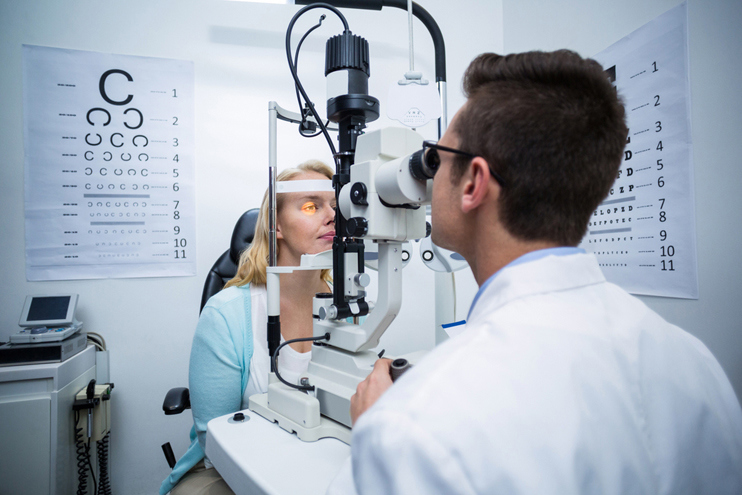
In Korea, preventive health is taken seriously. Many companies and community centers encourage routine eye and health check-ups. Cataracts are often identified during these exams before patients even notice symptoms.
At Jryn Eye Clinic, we emphasize the importance of early detection. Cataracts progress slowly, and patients sometimes adapt to worsening vision without realizing it. A regular exam can reveal subtle changes before they significantly affect daily life.
We recommend:
Eye check-ups every 1–2 years after age 50.
Immediate consultation if you notice new glare, blurriness, or dullness in colors.
Bringing any past LASIK or eye surgery records to appointments for better surgical planning.
Why Choosing the Right Clinic Matters
Not every eye clinic is equally equipped for post-LASIK cataract cases. The difference lies in the details: advanced diagnostic devices, experience with specialized formulas, and a history of handling complex refractive surgery patients.
At Jryn Eye Clinic, our philosophy is simple: precision and personalization. With more than 20 years of surgical experience, Dr. Han Sang Yeop has seen firsthand how small variations in measurement can affect outcomes. That is why we invest in the latest technologies and take extra time in pre-surgical planning.
For patients, this means confidence that their cataract surgery will not only restore clarity but also preserve the freedom and comfort they once enjoyed after LASIK.
Conclusion: Seeing Clearly Beyond LASIK
LASIK changed the lives of millions, offering freedom from glasses and contact lenses. But it does not stop the clock. Cataracts are an inevitable part of aging, and sooner or later, they affect almost everyone.
The good news is that cataract surgery after LASIK is not only possible—it can be highly successful. With careful planning, advanced measurement tools, and an experienced surgeon, patients can once again enjoy sharp, comfortable vision.
At Jryn Eye Clinic in Busanjin-gu, Busan, we understand the concerns of patients who once celebrated their LASIK results and now face cataract surgery. Our role is to guide them through this new chapter with precision, compassion, and trust.
If you had LASIK years ago and are now noticing blurred or cloudy vision, do not assume your LASIK has failed. The likely cause is cataracts, and with the right care, your sight can be restored to clarity once again.
Ready for a Personalized 1:1 Eye Consultation?
Schedule your comprehensive 3D eye examination with Chief Director Dr. Sang-Youp Han and our ophthalmology team on the 14th floor of JRYN Medical Center in Seomyeon, Busan.