Jryn Eye Clinic Busan (Seomyeon) · SMILE LASIK · EVO+ Visian ICL · Cataract & Retina Center · Tel: +82-51-710-1004
en-US

1:1 Consultation
CLINICAL ARTICLE & GUIDE
Diabetic Retinopathy: Early Detection and Treatment Options
Learn how diabetic retinopathy progresses, symptoms to watch for, and the latest treatment options to prevent blindness. Discover care at Jryn Eye Clinic.

What is Diabetic Retinopathy?
Diabetic retinopathy is a serious condition that affects individuals with diabetes. It develops when high blood sugar levels damage the small blood vessels in the retina, the layer of tissue at the back of the eye responsible for vision. As these blood vessels weaken, they may leak, swell, or even close off, disrupting the retina’s ability to send clear images to the brain.
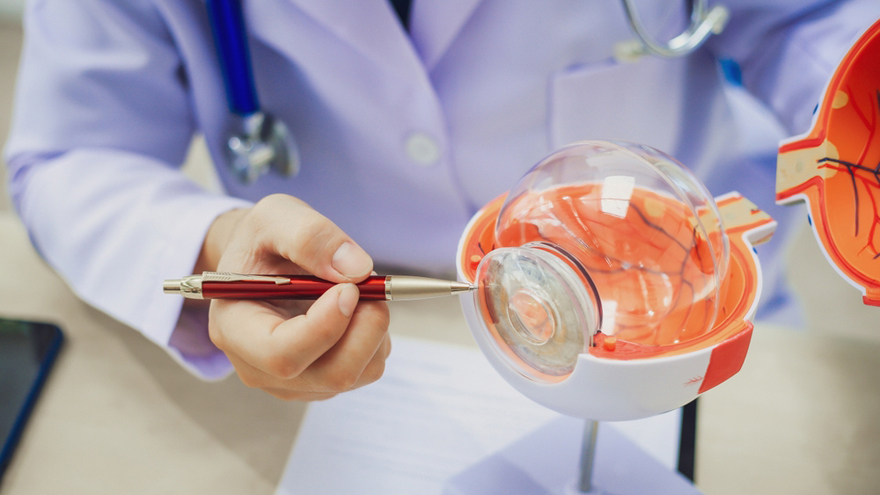
Diabetic retinopathy progresses in stages, starting with mild non-proliferative retinopathy, where blood vessel changes are initially small. As the condition worsens, it progresses to more severe stages, including proliferative diabetic retinopathy, where abnormal blood vessels grow on the retina's surface. If untreated, these new vessels can bleed, scar, and cause retinal detachment—leading to substantial vision loss.
Early detection is critical as symptoms often don’t appear until the disease has progressed. Routine eye exams are essential, as identifying the condition in its early stages allows for timely intervention, significantly improving the chances of preserving vision. Diabetic retinopathy is a leading cause of vision impairment globally, especially among adults of working age, which underscores the importance of awareness and proactive care.
Can Diabetic Retinopathy Cause Blindness?
Yes, untreated diabetic retinopathy can lead to blindness. As the disease progresses, the risk of vision loss increases, particularly when complications such as diabetic macular edema (swelling in the central retina) or proliferative diabetic retinopathy (abnormal blood vessels bleeding into the eye) develop.
Recent studies suggest that nearly half of those with diabetes will show signs of diabetic retinopathy within 10 years of diagnosis. A significant proportion of these cases may progress to vision impairment if not managed effectively. When left untreated, the damage to the retina can become irreversible, leading to permanent blindness. However, with early detection and intervention, many patients can maintain their vision.
Recognizing Early Symptoms of Diabetic Retinopathy
The onset of diabetic retinopathy is often subtle, with many patients experiencing no symptoms in the early stages. This is why regular eye exams are vital for individuals with diabetes. However, the following signs may indicate that the disease is developing:
Blurred or fluctuating vision
Floaters (small, dark spots or cobweb-like shapes in your vision)
Dark or empty areas in your visual field
Difficulty seeing at night or changes in color perception
As these symptoms may be mistaken for other vision problems, it is essential to have routine eye exams, especially if you have diabetes. Early detection improves the likelihood of successful treatment and reduces the risk of significant vision loss.
At Jryn Eye Clinic in Busan, South Korea, specialists emphasize the importance of regular screenings. Their advanced retinal imaging tools allow for the detection of even the smallest changes in the retina, enabling personalized treatment options that can stop the progression of the disease before it leads to blindness.
Factors that Increase the Risk of Blindness from Diabetic Retinopathy
While anyone with diabetes is at risk for developing diabetic retinopathy, several factors can increase the likelihood of vision loss:
Duration of Diabetes: The longer someone has diabetes, the greater the risk. After 20 years, almost all individuals with diabetes will have some degree of retinopathy.
Poor Blood Sugar Control: High blood sugar levels damage the blood vessels in the retina. Keeping blood glucose within target ranges helps slow the disease's progression.
High Blood Pressure and Cholesterol: Both conditions can exacerbate retinal damage and worsen diabetic retinopathy.
Pregnancy: Diabetic women who are pregnant are at increased risk for retinopathy progression.
Smoking: Smoking increases the risk of diabetic eye complications by reducing oxygen levels in the retina.
Managing these risk factors is crucial for preventing the progression of diabetic retinopathy and protecting vision. Lifestyle changes, such as eating a balanced diet, quitting smoking, and exercising regularly, can significantly reduce the risk of vision loss.
How is Diabetic Retinopathy Diagnosed?
A comprehensive eye exam is the first step in diagnosing diabetic retinopathy. Ophthalmologists use advanced diagnostic tools to examine the retina and identify any signs of damage. Common diagnostic techniques include:
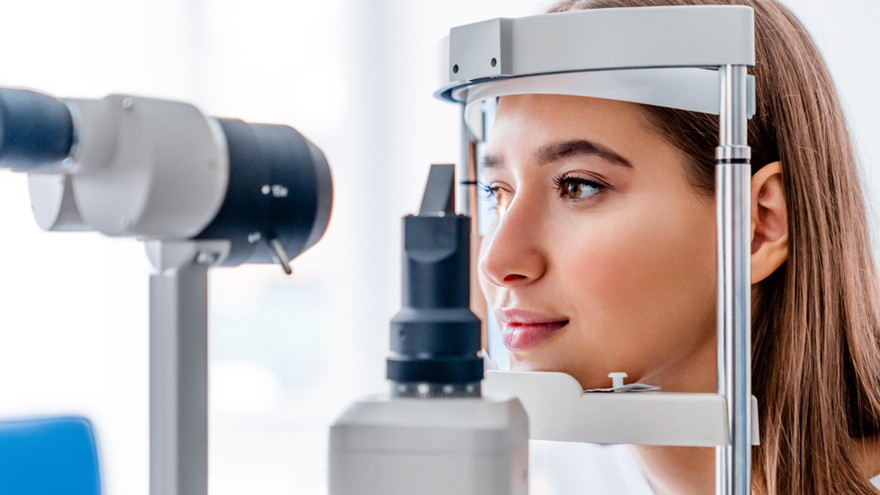
Retinal Imaging: This tool captures detailed pictures of the retina, helping doctors detect any abnormalities.
Fluorescein Angiography: A dye is injected into the bloodstream, allowing images of the retina’s blood vessels to be taken. This highlights any areas of leakage or blockage.
Optical Coherence Tomography (OCT): This non-invasive imaging technology takes cross-sectional images of the retina, revealing swelling or thickening that might not be visible through other exams.
The American Diabetes Association recommends that individuals with diabetes undergo a dilated eye exam at least once a year. Early detection of diabetic retinopathy can prevent further damage and reduce the risk of blindness.
At Jryn Eye Clinic , cutting-edge 3D retinal imaging technology provides highly accurate assessments of retinal health. Their experienced ophthalmologists tailor treatment plans based on these detailed evaluations to maximize patient outcomes.
Effective Treatment Options for Diabetic Retinopathy
While diabetic retinopathy can be managed, the earlier it is detected, the more successful the treatment outcomes. Some of the most common treatment options include:
Laser Photocoagulation: This procedure uses a laser to seal leaking blood vessels and shrink abnormal growths, reducing retinal swelling and preventing further damage.
Anti-VEGF Injections: These injections block signals that cause abnormal blood vessel growth, reducing leakage and improving vision.
Vitrectomy Surgery: In more advanced cases, surgery may be needed to remove blood or scar tissue from the vitreous gel in the eye, which can help restore vision in cases of severe damage.
At Jryn Eye Clinic, advanced technologies like the VisuMax femtosecond laser are used for precise treatment. Their ophthalmologists evaluate each case individually, ensuring that patients receive the best available care tailored to their condition.
Managing Blood Sugar for Long-Term Vision Health
The foundation of diabetic retinopathy management is blood sugar control. Elevated glucose levels contribute to retinal blood vessel damage, so keeping blood sugar levels within target ranges is essential to slowing disease progression.
Patients should work closely with their healthcare providers to monitor glucose levels and maintain a healthy lifestyle. This includes eating a balanced diet, exercising regularly, and controlling other health conditions such as hypertension and high cholesterol.
At Jryn Eye Clinic, a multidisciplinary approach ensures that both the diabetic condition and eye health are managed in tandem. The clinic’s specialists collaborate with endocrinologists to provide comprehensive care that enhances long-term outcomes for patients.
Why Choose Jryn Eye Clinic for Diabetic Retinopathy Care?

Jryn Eye Clinic in Busan, South Korea, is renowned for its expertise in managing diabetic retinopathy. With over 20 years of clinical experience, the clinic offers state-of-the-art treatments using the latest technologies, including 3D retinal imaging and the VisuMax femtosecond laser.
The clinic’s commitment to personalized care is evident in their approach to treatment. Patients benefit from tailored treatment plans, a focus on early detection, and ongoing follow-up to ensure optimal results. The clinic also offers multilingual support, making it accessible to patients from various backgrounds.
Conclusion
Diabetic retinopathy is a serious but manageable condition that can lead to blindness if left untreated. The key to preserving vision is early detection through regular eye exams, effective blood sugar control, and timely medical intervention. By understanding the stages of the disease, recognizing early symptoms, and managing risk factors, individuals with diabetes can significantly reduce their risk of vision loss.
Jryn Eye Clinic in Busan, South Korea, offers cutting-edge diagnostic tools and personalized treatment plans to address diabetic retinopathy and prevent blindness. With expert care and advanced technology, patients can feel confident in protecting their vision and improving their quality of life. If you or a loved one has diabetes, don’t wait—schedule an eye exam today to take proactive steps toward preserving your sight.
Ready for a Personalized 1:1 Eye Consultation?
Schedule your comprehensive 3D eye examination with Chief Director Dr. Sang-Youp Han and our ophthalmology team on the 14th floor of JRYN Medical Center in Seomyeon, Busan.