Jryn Eye Clinic Busan (Seomyeon) · SMILE LASIK · EVO+ Visian ICL · Cataract & Retina Center · Tel: +82-51-710-1004
en-US

1:1 Consultation
CLINICAL ARTICLE & GUIDE
Daily Habits to Protect Your Eyes from Cataracts
Discover daily habits to protect your eyes from cataracts. Learn simple steps to reduce risk and maintain eye health for a clearer future. Start today!
Introduction
When we think of vision loss or eye problems, cataracts are one of the most common conditions that come to mind, especially as we age. Cataracts occur when the natural lens of the eye becomes cloudy, causing blurred vision, glare, and difficulty seeing in low light. Though they are often associated with aging, cataracts can develop earlier due to lifestyle habits, environmental factors, and underlying health conditions. The good news is that cataracts can be prevented or their progression slowed down with simple, daily habits that protect your eyes and promote long-term eye health.
At Jryn Eye Clinic, we see firsthand the impact of cataracts on our patients’ lives. Whether you're in your 20s, 50s, or 70s, taking proactive steps to protect your eyes can help you maintain clear vision and reduce your risk of developing cataracts in the future. Many of the habits that contribute to cataract prevention are straightforward and can be easily integrated into your daily routine.
In this article, we’ll explore practical daily habits that you can adopt to safeguard your eyesight and keep your eyes healthy. Let’s dive into the small lifestyle changes that can make a big difference.
Protect Your Eyes from UV Radiation
UV radiation from the sun is one of the most significant environmental risk factors for cataracts. Just like your skin, your eyes are vulnerable to the harmful effects of UV rays, which can accelerate the aging process of the eye lens and contribute to the clouding associated with cataracts. Overexposure to UV light can also lead to other eye conditions like macular degeneration.
What You Can Do:
Wear Sunglasses with UV Protection: Invest in a pair of high-quality sunglasses that block 100% of both UVA and UVB rays. This will prevent the harmful rays from reaching your eyes. Even on overcast days, UV rays can still damage your eyes, so make it a habit to wear sunglasses whenever you go outside.
Wear a Hat with a Wide Brim: A wide-brimmed hat can provide extra protection by blocking sunlight from directly entering your eyes. It’s a simple yet effective way to shield your eyes from prolonged sun exposure.
Seek Shade: Whenever possible, try to stay in shaded areas, especially during the peak sunlight hours (10 a.m. to 4 p.m.), when UV rays are most intense. This will help reduce the risk of long-term eye damage.
Incorporating these steps into your daily routine ensures your eyes are well-protected from UV rays, reducing the likelihood of developing cataracts in the future.
Maintain a Healthy Diet Rich in Eye-Nourishing Nutrients

Your diet plays a crucial role in eye health. Certain nutrients, such as antioxidants, vitamins, and minerals, can help protect your eyes from oxidative stress and reduce the risk of cataracts. A nutrient-dense diet can help support your eyes at a cellular level and reduce damage caused by free radicals, which are often implicated in cataract formation.
What You Can Do:
Eat Colorful Fruits and Vegetables: Foods like spinach, kale, and broccoli are rich in lutein and zeaxanthin, antioxidants that help protect the eye from harmful UV light. Carrots and sweet potatoes, which are high in beta-carotene, also promote healthy vision.
Include Omega-3 Fatty Acids: Incorporate omega-3-rich foods such as salmon, walnuts, and flaxseeds into your diet. Omega-3 fatty acids have anti-inflammatory properties and are beneficial for reducing the risk of cataracts and other eye conditions.
Consume Vitamin C and E: Citrus fruits, bell peppers, nuts, and seeds are rich in vitamin C and vitamin E, two antioxidants that help fight oxidative stress and reduce the risk of cataracts by preventing cellular damage.
By focusing on a diet rich in eye-healthy nutrients, you are taking a proactive approach to protecting your eyes and maintaining their clarity over time.
Avoid Smoking and Limit Alcohol Consumption
Smoking is one of the most damaging habits for your eyes. Smokers are at a much higher risk of developing cataracts compared to non-smokers, as smoking increases oxidative stress and reduces the body’s ability to fight off harmful free radicals. Additionally, smoking can decrease blood flow to the eyes, making them more susceptible to damage.
What You Can Do:
Quit Smoking: If you currently smoke, quitting is one of the best things you can do for your overall health, including your eye health. The benefits are almost immediate—within a few weeks, your body will start to recover from the damage caused by smoking.
Limit Alcohol Intake: Excessive alcohol consumption can contribute to the formation of cataracts, as it can lead to dehydration and affect the balance of nutrients in your body. Keep alcohol consumption in moderation to avoid any potential negative impact on your vision.
By eliminating smoking and moderating alcohol consumption, you are giving your eyes a better chance to remain healthy and free from cataracts as you age.
Stay Hydrated to Support Eye Health
Dehydration may not seem like an obvious factor in cataract prevention, but it plays a significant role in maintaining eye health. When your body is dehydrated, it can lead to dry eyes, which can make your eyes more vulnerable to injury and increase the risk of cataract development over time. Proper hydration also supports the production of tears, which is essential for keeping the eyes lubricated and healthy.
What You Can Do:
Drink Plenty of Water: Make sure to drink at least 8 glasses (2 liters) of water a day. This will keep your body and eyes hydrated, promoting better eye health overall.
Limit Dehydrating Beverages: Avoid excessive consumption of coffee, tea, or alcohol, as these can dehydrate your body and eyes. Opt for water or herbal teas instead.
Staying hydrated is a simple yet highly effective way to support your eye health and reduce the risk of developing dry eyes and cataracts.
Get Regular Eye Exams
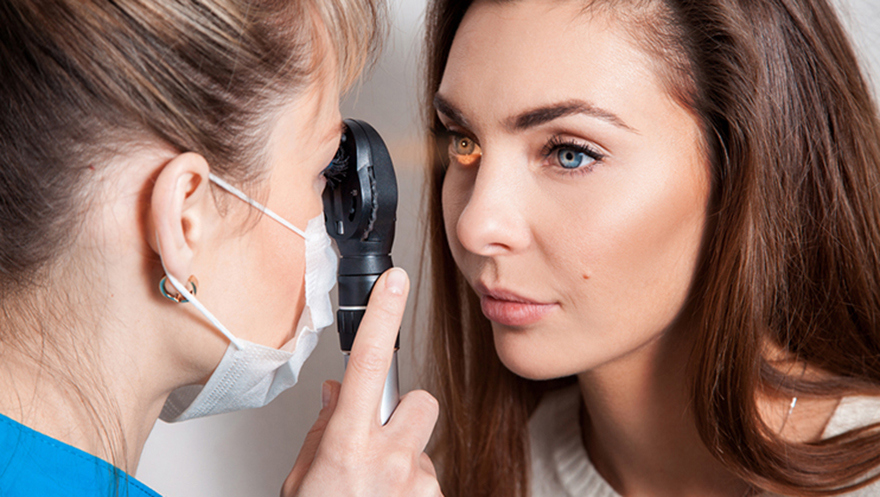
Even if you don’t notice any significant changes in your vision, regular eye exams are essential for early detection of cataracts. Cataracts often develop slowly and don’t show obvious symptoms until they are more advanced. Regular eye checkups allow your ophthalmologist to monitor your eye health and detect any early signs of cataract formation or other vision problems.
What You Can Do:
Schedule Annual Eye Exams: Make it a point to visit your ophthalmologist at least once a year for a comprehensive eye exam. This will allow your doctor to track any changes in your eye health and provide guidance on maintaining optimal vision.
Report Any Vision Changes Immediately: If you notice any changes in your vision, such as difficulty seeing at night or increased sensitivity to light, be sure to consult with your eye doctor. Early intervention can help prevent cataracts from progressing too quickly.
Regular checkups and proactive monitoring are key to keeping cataracts at bay and preserving your vision for years to come.
Manage Chronic Health Conditions
Chronic health conditions, such as diabetes, high blood pressure, and obesity, can increase your risk of developing cataracts. These conditions can affect the blood vessels in your eyes and lead to faster lens deterioration. By managing these conditions effectively, you can reduce your risk of cataracts and other eye complications.
What You Can Do:
Manage Blood Sugar Levels: If you have diabetes, it’s important to control your blood sugar levels through medication, diet, and exercise. Uncontrolled blood sugar can increase the risk of cataracts and other eye diseases.
Control Blood Pressure and Weight: Regular exercise, a healthy diet, and medication (if necessary) can help you maintain healthy blood pressure and a healthy weight, both of which are important for reducing cataract risk.
By staying on top of your health, you’re actively reducing the risk of cataracts and improving your overall well-being.
Limit Screen Time and Practice the 20-20-20 Rule
In today’s digital age, many of us spend long hours in front of screens, whether for work or entertainment. While this won’t directly cause cataracts, excessive screen time can lead to digital eye strain, dry eyes, and discomfort. Prolonged eye strain can make your eyes more susceptible to damage over time.
What You Can Do:
Practice the 20-20-20 Rule: Every 20 minutes, take a 20-second break and focus on something 20 feet away to give your eyes a rest. This simple habit can help reduce digital eye strain and support overall eye comfort.
Adjust Screen Settings: Use blue light filters on your devices to reduce strain, and ensure your screen is at an optimal brightness and contrast for your eyes.
Taking regular breaks from screens and adjusting your settings can help prevent unnecessary strain on your eyes and improve long-term eye health.
Protect Your Eyes from Injury
Physical trauma to the eye can accelerate cataract formation, especially if the eye lens is damaged. Whether it's due to a sports injury, an accident at home, or any other form of trauma, protecting your eyes from injury is crucial for preserving eye health.
What You Can Do:
Wear Protective Eyewear: During activities like sports or home improvement projects, make it a habit to wear protective eyewear to shield your eyes from potential injury.
Be Mindful of Household Hazards: Handle sharp objects, chemicals, and other potential hazards with care, and use safety goggles if necessary.
Eye protection is a simple, preventative measure that can help you avoid unnecessary risks to your vision.
Conclusion: Small Habits, Big Impact on Cataract Prevention
Cataracts are a natural part of aging, but that doesn’t mean they are inevitable or unavoidable. By adopting a few key habits into your daily routine, you can protect your eyes from environmental damage, promote overall eye health, and reduce your risk of cataracts. Whether it's wearing sunglasses, eating a nutrient-rich diet, quitting smoking, staying hydrated, or managing chronic conditions, these small changes can go a long way in preserving your vision.
At Jryn Eye Clinic, we specialize in providing personalized, precision-driven eye care, including cataract management and prevention. If you're concerned about your eye health or have noticed any changes in your vision, don't hesitate to schedule a consultation.
Ready for a Personalized 1:1 Eye Consultation?
Schedule your comprehensive 3D eye examination with Chief Director Dr. Sang-Youp Han and our ophthalmology team on the 14th floor of JRYN Medical Center in Seomyeon, Busan.