Jryn Eye Clinic Busan (Seomyeon) · SMILE LASIK · EVO+ Visian ICL · Cataract & Retina Center · Tel: +82-51-710-1004
en-US

1:1 Consultation
CLINICAL ARTICLE & GUIDE
Cost of Multifocal Lenses in Busan Eye Clinics
Discover the cost of multifocal lenses in Busan eye clinics. Explore pricing, benefits & options to improve your vision. Book your consultation today!
Introduction
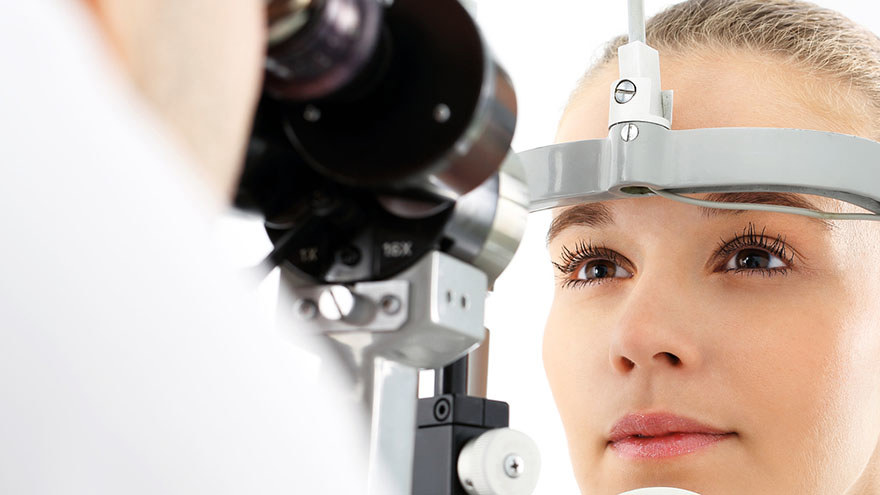
Imagine waking up and seeing clearly—your phone screen, the clock on the wall, the view outside your window—all without reaching for your glasses. For many in Busan, multifocal intraocular lenses (IOLs) promise just that: a life with renewed visual freedom, especially after cataract surgery or in dealing with age-related presbyopia.
But while the dream is clear, the reality can feel complicated—especially when it comes to cost. Some clinics advertise low promotional prices; others quote figures that rival luxury travel. Patients often ask us: “Why such a big difference?” or “Is the higher price really worth it?”
At Jryn Eye Clinic, located in the heart of Busanjin-gu, we’ve seen firsthand how transformative—and confusing—this decision can be. That’s why we believe patients deserve more than just a price list. They deserve clear, compassionate guidance rooted in medical experience, honest evaluation, and long-term outcomes.
The Price Range: From Entry-Level to Premium Packages
In Busan, the cost of multifocal lens implants varies widely depending on the clinic, lens type, surgical technique, and what’s included in the service. As of 2025, prices generally fall into the following ranges:
Budget Packages (Promotions or Limited Inclusions): Starting at ₩1.2 million (approx. $900 USD) per eye. These often use standard multifocal lenses with limited follow-up care and are typically seasonal offers.
Average Range (Reputable Clinics in Busan): ₩4.9 million to ₩6.8 million (~$3,700 to $5,100 USD). This is where most patients find the best balance of quality, safety, and service. Clinics in this range usually include a comprehensive exam, customized lens selection, experienced surgeons, and post-op follow-up.
Premium Tier (Top Hospitals and Laser-Assisted Surgery): Upwards of ₩9 million (over $6,500 USD) per eye. These packages may include cutting-edge lenses (like PanOptix or Symfony), advanced diagnostics, femtosecond laser-assisted cataract surgery, English-speaking coordinators, private recovery suites, and luxury amenities.
While the national median cost in South Korea sits around ₩1.8 million, Busan’s metropolitan area leans toward the higher end, particularly at well-known clinics offering global-level service.
What’s Driving the Cost Difference?
To be honest, most patients assume the lens itself is what makes the procedure expensive. But that’s only part of the equation. The price you pay is really an accumulation of interlocking factors—some technical, some medical, and many deeply personal. Here’s a closer look:
1. Lens Technology
Multifocal lenses come in various designs—bifocal, trifocal, and EDOF (Extended Depth of Focus)—each catering to different visual demands. Top-tier brands like Alcon’s PanOptix or Johnson & Johnson’s Symfony offer sophisticated light-splitting technologies and chromatic aberration correction. This isn’t just marketing. The difference is tangible—especially under low light, glare conditions, or reading fine print. A more advanced design often translates to better quality of life—but also higher cost.
In our clinic, we see patients with varied needs: a retiree who wants to read the newspaper and drive to family gatherings, a violinist who needs sharp intermediate focus for sheet music. The lens we choose must support those goals, and sometimes only the latest-generation multifocals can deliver.
2. Surgeon Experience
Would you trust your vision to just anyone? Cataract and lens exchange surgeries require immense skill—especially when premium lenses are involved. A seasoned surgeon understands subtle nuances in eye anatomy, lens alignment, and post-op expectations. At Jryn Eye Clinic, Dr. Han Sang Yeop brings over two decades of expertise and has performed thousands of successful multifocal IOL implantations. That precision can make all the difference.
In fact, we often receive referrals from other clinics when complications arise. Correcting a poorly centered lens or managing postoperative dissatisfaction isn’t easy. It underscores how vital it is to choose a qualified surgeon from the start.
3. Surgical Technique and Equipment
The tools matter. Traditional phacoemulsification is still common, but many premium clinics now use femtosecond laser-assisted cataract surgery (FLACS) to enhance precision. FLACS creates bladeless incisions, softens the lens for smoother removal, and improves capsulotomy precision—essential when placing a multifocal lens that must sit exactly where intended.
Naturally, this technology adds to the cost. But for many patients, especially those with corneal irregularities or previous surgeries, it improves predictability and reduces risks. Think of it like using a tailor-made pattern instead of one-size-fits-all.
4. Advanced Preoperative Diagnostics
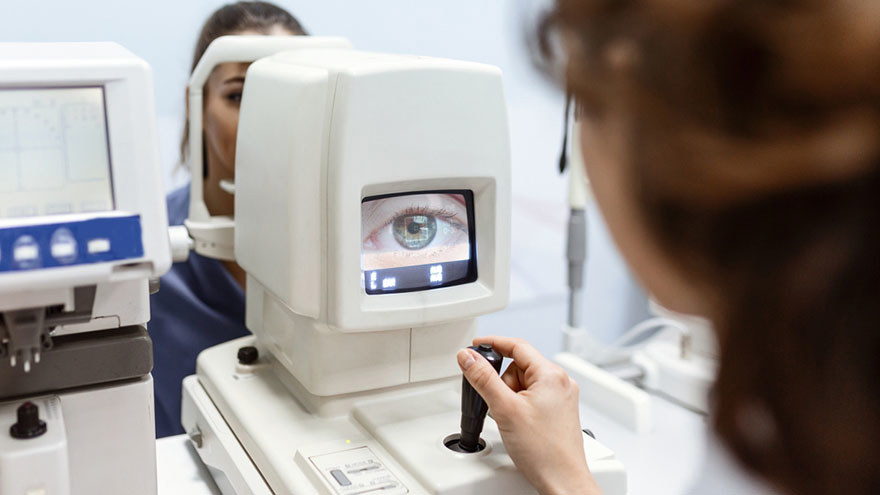
A successful multifocal outcome begins with careful measurements. High-end clinics often use optical biometry, corneal topography, and aberrometry to assess your eye’s shape, lens positioning, and optical performance. These tools aren’t just gadgets—they’re safeguards. They help predict how your eye will respond to a specific lens type.
In Korea, many clinics still rely on basic ultrasound A-scans. At Jryn, we use optical biometry with the IOLMaster 700, combined with wavefront mapping and tear film analysis. It’s how we ensure each patient gets not just a lens—but the right lens.
So… Is the Most Expensive Option Always the Best?
Not necessarily. What people often overlook is that the "best" lens isn't about cost—it's about compatibility with your eye's anatomy and your visual goals.
For example, if you do a lot of nighttime driving or have large pupils, certain multifocal lenses may cause more glare. If you have early macular changes or dry eye, another lens type might be safer. That’s why we strongly advise against price-based decision-making alone.
At Jryn Eye Clinic, we never push the most expensive option—we guide you to the most appropriate one. Sometimes a monofocal or EDOF (extended depth of focus) lens is better suited to your lifestyle, even if it's technically less pricey.
Patient Scenarios: What Real Consultations Look Like
To bring this to life, here are a few examples from our clinic:
Mr. Kim (63, Busan) came in looking for “the best lens money can buy.” After a thorough scan, we found early macular drusen. We recommended a non-multifocal option to avoid contrast sensitivity issues. He now has crystal-clear distance vision with minimal glasses for reading—and zero regret.
Ms. Park (56, Teacher) wanted to avoid reading glasses post-surgery. She chose a trifocal lens tailored for whiteboard viewing and phone reading. She now teaches without bifocals and says it’s the best investment she’s made in years.
Mr. Cho (61, Retired Banker) wanted both eyes done overseas but hesitated due to follow-up challenges. We provided local surgery, English-language summaries of his results, and coordinated care with his U.S. optometrist. He says our aftercare made all the difference.
Mrs. Lee (59, Homemaker) had dry eye syndrome and was worried about multifocal suitability. After tear film analysis and OSDI scoring, we recommended an EDOF lens with enhanced optical performance in dry eye cases. She now cooks, sews, and reads comfortably without digital strain.
How to Choose the Right Clinic in Busan
Ask About the Full Package. Don’t just ask, “How much is the lens?” Ask, “What’s included?” Does the quote cover diagnostics, follow-ups, medication, enhancement guarantees?
Look for Surgical Credentials. In Korea, it’s common to assume all clinics are the same. But surgical experience varies. Check if your surgeon is board-certified, fluent in multifocal procedures, and available for post-op care.
Evaluate Technology and Transparency. Does the clinic offer both laser and non-laser options? Are they clear about risks, benefits, and alternatives? If not—it’s okay to walk away.
Consider Communication Support. Especially if you’re an expat or medical tourist, having bilingual coordinators, written instructions, and clear follow-ups in your language is essential.
Request a Trial Lens Simulation. Some clinics, including ours, offer simulation technology or demo contact lenses that mimic the effect of multifocal optics. It’s a great way to preview how your vision will feel post-surgery.
Final Thoughts: Investing in Vision That Lasts
Multifocal lens implantation is more than a procedure—it’s a long-term relationship with your sight. Yes, it can be expensive. But with the right guidance, it can also be life-changing.
At Jryn Eye Clinic, we believe that every patient deserves clarity—not just in vision, but in information. Whether you’re just exploring or actively booking surgery, we’re here to help you make the most informed, personalized, and safe choice.
If you’re considering multifocal lenses, book a consultation with a reputable, precision-driven clinic in Busan. We’ll help you navigate the options, understand the value behind the cost, and ensure your future looks clearer than ever.
Ready for a Personalized 1:1 Eye Consultation?
Schedule your comprehensive 3D eye examination with Chief Director Dr. Sang-Youp Han and our ophthalmology team on the 14th floor of JRYN Medical Center in Seomyeon, Busan.