Jryn Eye Clinic Busan (Seomyeon) · SMILE LASIK · EVO+ Visian ICL · Cataract & Retina Center · Tel: +82-51-710-1004
en-US

1:1 Consultation
CLINICAL ARTICLE & GUIDE
Cataract Surgery Package Cost: A Line-by-Line Guide
A line-by-line look at what a cataract surgery package cost actually covers — biometry, IOL choice, technique, and follow-up — so you can compare quotes.
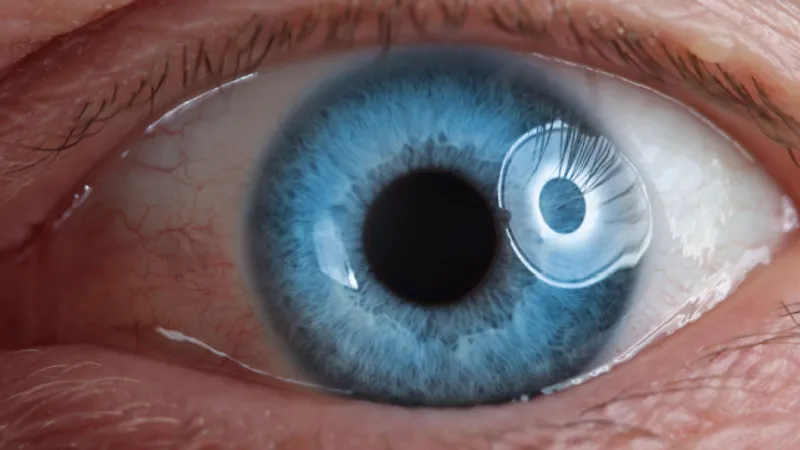
What's Actually Included in a Cataract Surgery Package Price?
Medically reviewed by Dr. Sang Youp Han, MD, Chief Director, Jryn Eye Clinic · Last updated July 2026
Understanding the true cataract surgery package cost is harder than it should be, because two quotes with the same headline number can cover very different things. One might include only the operation itself; another might bundle every diagnostic test, the lens, and a month of follow-up visits. If you are comparing options — especially across countries — the only fair way to judge value is to break a quote into its parts. This guide walks through the individual line items that make up a cataract package, using the technology and techniques documented at Jryn Eye Clinic in Busan as a worked example.
Why Cataract Surgery Is Never a Single Line Item
Cataract surgery removes the eye's clouded natural lens and replaces it with an artificial intraocular lens (IOL). As the American Academy of Ophthalmology explains, it is one of the most common procedures performed, and its cost depends heavily on the type of lens used and any additional technology involved.
That variability is the whole reason a "package price" exists. A cataract package is really a collection of services — measurement, imaging, lens selection, the surgical technique, and follow-up — each of which carries its own cost. When any of these is left out of a quote, the number looks lower but the eventual bill may not be. Below, we itemize what each part actually involves.
Line Item 1: Diagnostic Measurement (Biometry)
Before any cataract surgery, your eye must be measured precisely so the correct IOL power can be calculated. This is called biometry, and it is one of the most important predictors of how well you see afterward.
Jryn Eye Clinic references university-hospital-grade diagnostic equipment for this step, including the Tomey OA-2000 biometer and the ZEISS IOLMaster 500, a non-contact optical biometry device used for IOL power calculation. Accurate measurement is not an optional extra — it directly affects your visual result. When you review a quote, confirm whether biometry is included or billed separately, because it is a genuine cost in every cataract procedure.
Line Item 2: Corneal and Anterior-Segment Imaging
Alongside biometry, detailed imaging of the front of the eye helps the surgeon plan the procedure and choose the right lens. Jryn Eye Clinic references the Tomey CASIA2 system, which captures high-speed scans to reconstruct the eye's anterior chamber in three dimensions, from the corneal surface to the back of the natural lens.
This imaging matters especially if you have astigmatism or are considering a premium lens, because it informs whether a toric (astigmatism-correcting) or multifocal lens is appropriate. Ask whether this diagnostic imaging is part of the package or an add-on. You can raise these questions early through the clinic's online inquiry and consultation system.
Line Item 3: The Intraocular Lens (IOL)
The lens itself is often the largest single variable in a cataract quote, and it is where "premium" pricing enters the picture. There are broad categories:
- Monofocal IOLs correct vision at one distance, usually far. As the AAO notes, patients with a standard monofocal lens typically still need reading glasses for near tasks.
- Toric IOLs add astigmatism correction.
- Multifocal and extended-depth-of-focus (EDoF) IOLs are designed to provide a range of vision — near, intermediate, and distance — reducing dependence on glasses for many activities.
Jryn Eye Clinic references premium IOL brands including ZEISS, Alcon, Johnson & Johnson Vision, and Oculentis, spanning monofocal, toric, bifocal, multifocal, and EDoF options. The lens you and your surgeon select has a direct and significant effect on the total price, which is why "cataract surgery" quoted without specifying the lens is essentially incomplete.
Line Item 4: The Surgical Technique
Not all cataract surgery uses the same method, and the technique affects both cost and planning. Jryn Eye Clinic offers several distinct approaches:
- Ultrasound (phacoemulsification) cataract surgery. The clouded lens is broken up with ultrasound energy and removed, then the IOL is implanted. The clinic uses systems such as the Bausch + Lomb Stellaris PC and the Johnson & Johnson Signature Pro.
- Laser multifocal cataract surgery. A femtosecond laser (the Catalys Precision Laser) performs steps such as the corneal incision, capsulotomy, and lens fragmentation. The FDA notes that femtosecond lasers are approved for use in certain eye surgeries, and the clinic reports this procedure typically takes about 15 to 20 minutes per eye.
- ZEPTO cataract surgery. The ZEPTO device creates a precise, circular 360-degree opening in the lens capsule (a capsulotomy) in milliseconds, after which cataract removal proceeds with ultrasound and a multifocal IOL is implanted.
Each technique carries different equipment and time costs, so two cataract quotes may differ simply because they assume different methods. Confirm which technique a quote is based on.
Line Item 5: Anesthesia and the Procedure Itself
Cataract surgery at Jryn Eye Clinic is performed under topical local anesthesia (eye drops), keeping the eye numb while you remain awake, with light sedation available in some cases for added comfort. The surgical fee covers the surgeon's time, the operating environment, and the surgical team. For the ultrasound approach, the clinic notes the microincision heals naturally without sutures, and patients are typically discharged the same day after observation.
Line Item 6: Follow-Up Visits
Follow-up is a real cost that is easy to overlook. For its laser multifocal cataract procedure, Jryn Eye Clinic describes a first follow-up visit typically about 24 hours after surgery, at which the doctor checks vision and eye pressure, followed by continued monitoring — typically 1 to 4 follow-up visits within the first month depending on the IOL used, with a final check about one month after surgery.
When comparing quotes, ask how many follow-up visits are included and over what period. A package that includes a month of monitoring is not directly comparable to one that stops at the operation.
A Closer Look at Premium IOL Options
Because the lens is often the largest cost variable, it is worth understanding the categories a little more deeply. Jryn Eye Clinic distinguishes between two broad optical designs used in multifocal lenses: refractive multifocal IOLs, which bend light at different zones of the lens, and diffractive multifocal IOLs, which split light into multiple focal points through closely spaced micro-structures. The brands the clinic references — ZEISS, Alcon, Johnson & Johnson Vision, and Oculentis — each span several of these designs, from monofocal through toric, bifocal, multifocal, and extended-depth-of-focus.
For accurate lens power selection, the clinic references the ZEISS IOLMaster 500, a non-contact laser biometry device it states is substantially more accurate than older ultrasound-based measurement for calculating IOL power, including in denser cataracts. The takeaway for cost is simple: a premium multifocal or toric lens, combined with the precise measurement needed to place it well, is a meaningful part of the price — and a quote that does not name the lens has not really quoted the surgery.
Preparation and Recovery: Practical Line Items
Two more parts of the process are easy to overlook when comparing prices. First, preparation. For its ultrasound cataract procedure, the clinic advises no lotion, aftershave, or perfume on surgery day, comfortable clothing, a light meal with hydration at least five hours before surgery to support stable circulation, and arranging someone to take you home afterward.
Second, recovery. The clinic's cataract aftercare guidance is to keep the eyes closed and rest on the day of surgery, avoid rubbing the eyes even if itchy, request drops from the doctor if discomfort occurs, and avoid reading or other eye-straining activities for the first several days. Vision may be blurry immediately after surgery but typically improves within the first few days. None of this is a hidden fee, but it does affect how long you should plan to stay near the clinic — a real consideration for international patients budgeting a full trip.
How Surgeon Experience Fits In
Beyond the line items, who performs the surgery is part of the value. Jryn Eye Clinic's Chief Director, Dr. Sang Youp Han, has been recognized by the Korean Ophthalmological Society with Gold Prizes for femtosecond-laser-combined cataract surgery (2018) and for an 8-point knot suture scleral IOL fixation technique (2017) used in complex cases. The clinic also states its lead surgeons have performed more than 10,000 cataract surgeries combined. These are credentials and volume figures, not outcome guarantees, but they are reasonable context when weighing a quote. You can learn more on the Jryn Eye Clinic website.
Questions That Make Two Quotes Comparable
Once you understand the line items, comparing quotes becomes a matter of asking the same questions of each. Before you compare totals, confirm the following for every quote you receive:
- Which surgical technique is assumed — ultrasound, laser, or ZEPTO?
- Which specific IOL is included, and is it monofocal, toric, multifocal, or EDoF?
- Are biometry and anterior-segment imaging included, or billed separately?
- Are anesthesia and facility fees part of the figure?
- How many follow-up visits are covered, and over what period?
- Is astigmatism correction (a toric lens) included if you need it?
Only when both quotes answer these the same way are their totals genuinely comparable. A lower number that excludes the lens, diagnostics, or follow-up is not actually lower once those are added back.
You can raise all of these questions before committing to travel through the Jryn Eye Clinic contact and consultation page, where an English-speaking coordinator handles inquiries for international patients and translated documents are available for continuity of care with your eye doctor at home.
The Bottom Line
- A cataract surgery package cost is really several line items — biometry, imaging, the IOL, the surgical technique, anesthesia, and follow-up — not a single fee.
- The IOL you choose (monofocal, toric, multifocal, or EDoF) is often the largest cost variable and should always be specified in a quote.
- The surgical technique (ultrasound, laser, or ZEPTO) affects both price and planning, so confirm which one a quote assumes.
- Follow-up care is a genuine cost; ask how many visits and how long a package covers.
- Comparing quotes fairly means confirming each covers the same line items before comparing the totals.
Frequently Asked Questions
**What is biometry, and why does it affect cost?**Biometry is the precise measurement of your eye used to calculate the correct IOL power. Jryn Eye Clinic uses devices such as the Tomey OA-2000 and ZEISS IOLMaster 500 for this. It is essential to your visual result and is a genuine part of any cataract package.
**Why do premium lenses cost more?**Multifocal, toric, and extended-depth-of-focus IOLs are designed to correct more than one distance or to address astigmatism, unlike standard monofocal lenses. The clinic references premium brands including ZEISS, Alcon, Johnson & Johnson, and Oculentis, and the lens chosen significantly affects the total price.
**What cataract surgery techniques does the clinic offer?**Jryn Eye Clinic offers ultrasound (phacoemulsification), laser multifocal cataract surgery using the Catalys laser, and ZEPTO cataract surgery, which creates a precise circular capsulotomy before ultrasound lens removal.
**How long does laser cataract surgery take?**The clinic reports its laser multifocal cataract surgery typically takes about 15 to 20 minutes per eye, followed by post-operative observation and scheduled follow-up.
**How many follow-up visits are typical?**For laser multifocal cataract surgery, the clinic describes a first visit about 24 hours after surgery and typically 1 to 4 visits within the first month depending on the IOL used, with a final check about one month post-surgery.
**Will I still need glasses after cataract surgery?**It depends on the lens. The AAO notes that a standard monofocal lens usually still requires reading glasses for near tasks, while multifocal and EDoF lenses aim to reduce that dependence. Results vary by individual and lens type.
**What experience does the surgeon have with cataract surgery?**Dr. Sang Youp Han has received Korean Ophthalmological Society Gold Prizes related to femtosecond-combined cataract surgery and scleral IOL fixation, and the clinic states its lead surgeons have performed more than 10,000 cataract surgeries combined.
This article is for general informational purposes and does not constitute individualized medical advice. Surgical candidacy, technique, and expected outcomes can only be determined through a consultation with a qualified surgeon.
Ready for a Personalized 1:1 Eye Consultation?
Schedule your comprehensive 3D eye examination with Chief Director Dr. Sang-Youp Han and our ophthalmology team on the 14th floor of JRYN Medical Center in Seomyeon, Busan.