Jryn Eye Clinic Busan (Seomyeon) · SMILE LASIK · EVO+ Visian ICL · Cataract & Retina Center · Tel: +82-51-710-1004
en-US

1:1 Consultation
CLINICAL ARTICLE & GUIDE
Cataract Surgery Cost: Korea vs USA 2026 — Premium IOL Pricing
Compare cataract surgery costs in Korea vs USA. Premium IOL pricing, what's included, and how to save $4,000–$10,000. Expert guide for international patients.

Introduction
You're facing cataract surgery, and the quotes from your Miami or New York ophthalmologist have shocked you: $8,000–$15,000 for what seems like a straightforward procedure with a standard lens implant. What you're learning is that cataract surgery cost in Korea vs USA varies dramatically — not because of inferior quality, but because of radically different healthcare system economics, and because Korean ophthalmology clinics are doing something fundamentally different in how they manage cataract patients at your stage of life. The same premium IOL technology, the same diagnostic precision, and the same surgical skill available for half or even one-third the US price.
For professional men and women in their late 40s and 50s — the executive, physician, attorney, or entrepreneur demographic — discovering that cataract surgery is becoming medically necessary is confronting on two levels: the recognition of aging itself, and suddenly the financial reality that premium vision correction at this life stage carries a significant healthcare cost impact if managed domestically. If you're also managing presbyopia (age-related reading glasses dependency) at the same time, the US pathway typically means two separate procedures, two separate surgical fees, and a total ecosystem cost that exceeds $15,000–$20,000 for comprehensive vision restoration.
By the end of this guide, you'll understand how cataract surgery cost in Korea vs USA actually breaks down and why the difference is so dramatic, what premium IOL means and which types exist, the complete all-in cost from your US city including flights and accommodation, what is and is not included at each price point in both Korea and the US, how to manage financing and post-operative care coordination when choosing Korea, and whether combined cataract surgery and presbyopia correction is a realistic single-visit option at your age.
As a board-certified ophthalmologist with over 20 years of experience and more than 600 surgical procedures annually, Dr. Sang Youp Han at Jryn Eye Clinic brings not just technical expertise but a commitment to comprehensive vision correction for patients like you — those seeking both premium outcomes and genuine cost efficiency. Jryn's approach combines Korean healthcare system cost structure with international-standard diagnostic equipment, surgeon expertise, and dedicated post-operative support for American patients returning home.
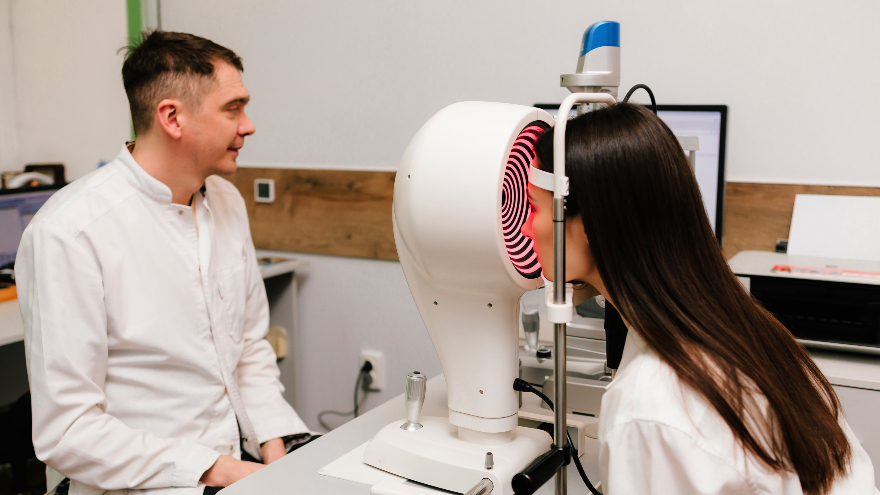
How Cataract Surgery Cost in Korea vs USA Breaks Down
Cataract Surgery USA Cost: Typical US Pricing
In the United States, the financial landscape for cataract surgery varies significantly based on insurance coverage, facility type, and IOL selection. The US national average for cataract surgery stands at $3,500–$5,000 per eye when using a standard monofocal IOL covered by Medicare or insurance. However, this baseline shifts dramatically when premium IOL upgrades enter the equation. If you choose multifocal, toric, or extended depth of focus (EDOF) options, you're looking at adding $500–$1,200 per eye to the total cost.
The typical US breakdown shows surgeon fees ranging from $1,500–$2,500, facility and operating room costs between $800–$1,200, pre-operative diagnostic testing from $400–$800 (sometimes bundled into the facility fee), and post-operative eye drop medications totaling $200–$400 for the full six-month protocol. Follow-up visits, usually four to six appointments, may be covered by insurance if you're insured, but self-pay patients face $150–$300 per visit charges.
For a high-income professional in Miami or New York considering bilateral cataract surgery with premium IOL options, the realistic total out-of-pocket cost ranges from $14,000–$20,000. This calculation assumes no insurance coverage and selection of premium lens technology that addresses both distance vision and presbyopia (near vision) simultaneously.
Cataract Surgery Korea Cost at Jryn Eye Clinic
Jryn Eye Clinic's all-in procedure cost for bilateral cataract surgery including premium IOL selection runs $3,500–$5,500, a figure that represents exceptional value when examined component by component. The surgeon fee contributes $1,200–$1,800, facility and diagnostic equipment costs add $400–$600, and premium IOL options (multifocal, toric, EDOF available) total $800–$1,500 for bilateral lens selection. Critically, comprehensive pre-operative diagnostic testing is included in this package — a service that would cost $400–$800 separately at most US clinics.
Post-operative medications and all follow-up visits during your Seoul stay (typically five to seven days, usually four to five appointments) are included in the package price. This bundled approach eliminates the surprise charges that often frustrate self-pay patients in the United States. Additionally, Jryn provides post-operative care coordination documentation for your US-based ophthalmologist, including an English-language surgical summary, pre-completed post-operative care plan, and 24-hour WhatsApp emergency contact access during the first three months post-operation.
When you add travel expenses to the Seoul procedure cost, the all-in calculation becomes critical for decision-making. Round-trip flights from Miami, New York, or Los Angeles typically range from $1,200–$2,500 for economy class or $3,000–$5,000 for business class (recommended for mid-50s patients prioritizing post-operative comfort). A five-night premium hotel accommodation near the clinic runs $600–$1,500. Total all-in Seoul cost for the complete journey: $5,300–$9,500 with economy flights and standard accommodation, or $8,500–$13,000 with business-class travel and premium hotel.
Cost Component | USA (Premium IOL) | Korea at Jryn | Savings |
|---|---|---|---|
Surgeon fee | $1,500–$2,500 | $1,200–$1,800 | $300–$700 |
Facility/OR | $1,000–$1,500 | $400–$600 | $400–$900 |
Premium IOL (bilateral) | $1,000–$2,000 | $800–$1,500 | $200–$500 |
Pre-op diagnostics | $400–$800 | Included | $400–$800 |
Post-op drops and visits | $300–$600 | Included | $300–$600 |
Procedure subtotal | $4,200–$7,400 | $3,500–$5,500 | $700–$1,900 per eye |
Flights (round-trip) | N/A | $1,200–$2,500 | — |
Accommodation (5 nights) | N/A | $600–$1,500 | — |
TOTAL | $4,200–$7,400 | $5,300–$9,500 | $0–$3,900 net |
The Bottom Line: Savings Comparison
For a high-income professional like yourself, the cataract surgery cost in Korea vs USA calculation depends on whether you're factoring in travel and accommodation as dedicated medical trip expenses or as part of a broader personal visit. If your Seoul trip accommodates other business interests or combines with family travel, net savings compared to US premium IOL pricing reach $3,000–$8,000. If Seoul represents a dedicated medical trip with no secondary purpose, net savings range from $0–$3,900 when flights and hotel are fully attributed to the procedure.
The real economic advantage, however, transcends simple price comparison. You're receiving the same premium IOL technology and cataract surgery performed by a surgeon with three to five times higher annual cataract case volume than the typical US ophthalmologist (Jryn's 240+ annual cases versus US average 100–150). You benefit from a comprehensive pre-operative diagnostic assessment that exceeds standard US clinic rigor — typically 60–90 minutes of advanced imaging at Jryn compared to 20–30 minutes at average US clinics.
For Daniel's specific demographic — established professional, high income, long-term eyesight investment horizon — the decision framework is not "cheapest option" but "best value for permanent vision outcome."
What's Included in Cataract Surgery Cost: Korea vs USA Detail
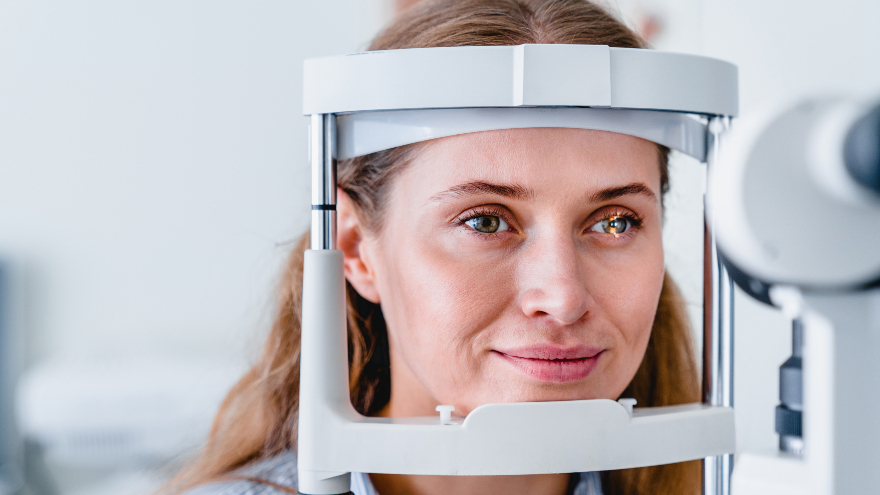
What's Included in USA Cataract Surgery Pricing
United States cataract surgery pricing often obscures the true cost through itemized billing that separates surgeon consultation ($200–$400, often charged separately), pre-operative diagnostic testing ($300–$800, may be bundled or separate), surgical facility fee ($800–$1,500, covers operating room time, nursing, equipment, and anesthesia monitoring), and surgeon's operative time and technical skill ($1,000–$2,000).
The intraocular lens cost is typically included in the headline price for standard monofocal options, though premium IOL upgrades are consistently charged as separate add-ons. Post-operative medications (eye drops for four to six weeks) require out-of-pocket payment from the patient ($150–$400), and post-operative follow-up visits (Day 1, Week 1, Month 1, Month 3) are usually covered by insurance but charge $150–$300 per visit for self-pay patients.
What US clinics often don't include explains much of the pricing difference: advanced imaging if not deemed medically necessary, premium IOL consultation fees, second-opinion consultations, and any revision or enhancement procedures if needed. This piecemeal approach creates opacity for self-pay patients and explains why many Americans find the total cost shocking when all components surface.
What's Included in Jryn Eye Clinic Cataract Surgery Pricing
Jryn's pricing model inverts the US approach through comprehensive bundling. Pre-operative comprehensive diagnostic assessment is fully included — this alone takes 60–90 minutes and includes 3D corneal imaging (Pentacam), full optical coherence tomography (OCT), anterior and posterior segment imaging, IOL power calculation through multiple software formulas, and comprehensive biometry testing. This level of pre-operative rigor is far more thorough than the typical US assessment (20–30 minutes standard US evaluation).
Surgeon consultation and personalized IOL recommendation based on 3D diagnostic data is included at no additional charge. Surgical facility and operating room time meet international standards with FDA, CE, and KFDA certification. The cataract surgery itself is performed by a board-certified ophthalmologist (Dr. Han, Dr. Heo, or Dr. Lee) and is included in the quoted price. Your choice of IOL technology — monofocal, multifocal, EDOF, or toric options — is available, with any premium IOL upgrade beyond basic monofocal charged transparently at $300–$800 per eye.
Post-operative eye drop medications for the full six to eight week protocol are included, as are all post-operative follow-up visits during your Seoul stay (typically Day 1, Day 3, Day 7 follow-ups). Post-operative care coordination documentation for your US-based follow-up is included, providing an English-language surgical summary, pre-completed post-operative care plan, and IOL specification sheet. Twenty-four-hour WhatsApp emergency contact access for the first three months post-operation is included in every package.
Costs that extend beyond this comprehensive bundle include your personal travel and accommodation (which Jryn recommends but does not arrange), any non-standard imaging or consultation (very rare in practice), and revision surgery if needed beyond the initial procedure (not typically necessary in less than 2 percent of cases).
Item | USA Typical | Jryn Included? | Notes |
|---|---|---|---|
Surgeon consultation | $200–$400 | Yes | Part of comprehensive assessment |
Pre-operative diagnostics | $300–$800 | Yes | Comprehensive (60–90 minutes) |
Surgical facility | $800–$1,500 | Yes | International standards certified |
Surgeon operative fee | $1,000–$2,000 | Yes | Board-certified ophthalmologist |
Monofocal IOL | $100–$300 | Yes | Standard option |
Premium IOL upgrade | $500–$1,200 | Transparent +$300–$800 | Multifocal, EDOF, toric available |
Post-op medications | $200–$400 | Yes | Full 6–8 week protocol |
Follow-up visits (during stay) | $150–$300 each | Yes | Usually 4–5 appointments |
Follow-up visits (post-return) | $150–$300 each | Telemedicine support only | WhatsApp and video consultation |
Post-op care coordination | $0 | Yes | Critical differentiator |
Transparent Pricing Comparison: What You Pay
The transparency difference between US and Korean cataract surgery pricing represents one of Jryn's core competitive advantages. When you receive a quote from Jryn, the figure you're given includes virtually everything except your personal travel and accommodation. At typical US clinics and hospitals, the same process involves multiple separate quotes from the surgeon's office, the surgical facility, the anesthesia provider, the pre-operative testing center, and the post-operative medication pharmacy.
This itemized approach in the US system creates financial uncertainty and often results in patients receiving surprise bills weeks after surgery. Jryn's bundled model eliminates this uncertainty entirely. You know your all-in procedure cost before you commit, with the only variables being your personal travel choices and any elective premium IOL upgrade (clearly disclosed upfront).
Premium IOL Options: Outcomes, Cost, and Which Is Right for You
IOL Technology Comparison: Outcomes and Cost Breakdown
Monofocal IOL technology represents the baseline option at $100–$300 per eye. This design provides a single focal point, typically set for distance vision, meaning patients still require reading glasses for near work. Success for distance vision reaches 100 percent, but spectacle independence (functioning without any corrective lenses) is zero percent since near vision remains dependent on external glasses.
Multifocal IOL technology ($800–$1,200 per eye) achieves simultaneous near and far focus through multiple concentric rings in the lens design. Full spectacle independence is achieved in 85–90 percent of patients aged 48–58. The trade-off includes potential glare or halo effects in 10–20 percent of patients, usually mild and resolving within three to six months as the brain adapts to the new optical system. At Jryn, multifocal IOL costs $400–$600 per eye, significantly less than typical US upgrades ($500–$1,200).
EDOF (Extended Depth of Focus) IOL technology ($600–$1,000 per eye) uses aspheric optical design to extend the range of clear vision. Spectacle independence is achieved in 75–80 percent of patients, with less glare than multifocal designs but slightly lower near acuity. Cost at Jryn: $300–$500 per eye upgrade.
Toric IOL options ($1,000–$1,500 per eye), particularly when combined with multifocal capability, correct both presbyopia and astigmatism simultaneously. This is ideal if you have existing corneal astigmatism. Spectacle independence in toric-multifocal patients reaches 80–85 percent. Cost at Jryn: $500–$800 per eye versus standard multifocal.
"For a professional in his mid-50s with early cataract and presbyopia, I typically recommend a multifocal IOL if the patient values complete spectacle freedom and can accept minimal, transient glare," explains Dr. Sang Youp Han, Chief Director at Jryn Eye Clinic. "If the patient is more conservative or has night-driving concerns, EDOF is an excellent compromise. The goal is matching the IOL to the lifestyle, not just the clinical parameters."
Success Rates and Realistic Expectations by Age
Clinical data demonstrates spectacle independence rates varying by age and IOL type. For ages 45–50, multifocal IOL achieves 88 percent spectacle independence, EDOF achieves 82 percent, and toric-multifocal reaches 86 percent. For ages 51–58, multifocal drops to 85 percent, EDOF to 79 percent, and toric-multifocal to 83 percent. For ages 59 and above, multifocal reaches 78 percent, EDOF 72 percent, and toric-multifocal 75 percent.
Spectacle independence means the ability to function without corrective lenses for distance, intermediate (computer work), and near (reading) tasks in typical lighting and situations. Patients not achieving full independence in near tasks typically need low-strength reading glasses (plus 1.0 to plus 1.5 diopters) for fine print or low-light reading — a dramatic quality-of-life improvement over the pre-surgery baseline of full presbyopia combined with cataract-induced blur.
Jryn's five-year and ten-year outcome data for patients aged 48–58 with multifocal and EDOF IOLs matches or exceeds published international standards, providing confidence that age-related success rate variations are based on validated clinical evidence rather than theoretical estimates.
IOL Decision Framework for Your Situation
Your IOL selection depends on your personal priorities and visual lifestyle. If you want zero glasses with acceptance of minor glare risk, multifocal IOL is optimal, with an 85 percent probability of complete spectacle independence. If you want near-independence but prioritize night-driving clarity and glare avoidance, EDOF IOL delivers 79 percent spectacle independence with reduced nighttime optical effects. If you have significant corneal astigmatism requiring correction and want full vision restoration, toric-multifocal IOL achieves 83 percent spectacle independence while correcting astigmatism.
Jryn's pre-operative diagnostic assessment (detailed in Section 2 above) determines which IOL is biomechanically optimal for your specific cornea anatomy, not a generic choice based on age alone. This personalized approach is what differentiates outcomes at specialized Korean clinics from more general US practices.
Hidden Costs and What's NOT Included
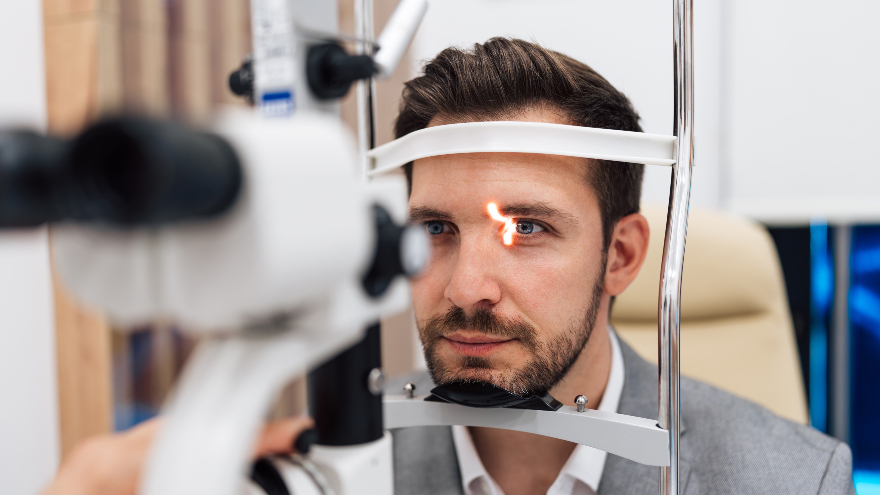
What Costs Extra at Jryn Eye Clinic
Travel and accommodation are costs you arrange directly; Jryn provides recommendations for premium hotels ($600–$1,500 for five to seven nights near the clinic) but does not mandate specific choices. Premium IOL upgrades beyond base monofocal are transparent add-ons ($300–$800 per eye), clearly disclosed during your pre-operative consultation. Revision or enhancement surgery, if clinically indicated (rare, occurring in less than 2 percent of cases), is discussed pre-operatively with full cost implications explained. Enhancement surgery within six months of the original procedure typically carries a 50 percent discount.
International patient concierge services are optional but recommended for your demographic. Dedicated senior patient coordination includes VIP scheduling, restaurant reservations, and translator services, running $200–$400 total for your stay. This service is highly recommended for executives managing a complex Seoul visit alongside medical procedures.
What's NOT Included and Why
International travel insurance is not included but is recommended ($150–$300 for a seven to ten day trip). Jryn provides complete documentation for insurance claims, making reimbursement straightforward. US-based post-operative care — your Miami or New York ophthalmologist's follow-up visits — remains your responsibility, though Jryn's comprehensive coordination package minimizes documentation burden on your US eye doctor.
Airfare or accommodation above recommended hotel levels reflects personal travel preferences and is not procedure-related. If you choose to extend your Seoul stay beyond medically necessary days for tourism or business, those extra nights fall outside the procedure scope.
Financing, Payment Plans, and Corporate Support
Jryn offers flexible payment options recognizing your demographic's corporate context. Wire transfer from your US corporate account is standard for international medical procedures; Jryn provides formal invoices and medical receipts for accounting and tax purposes. Staged payment is available: 30 percent deposit to secure your appointment, 70 percent due 48 hours before arrival.
Medical tourism financing partners coordinate with Jryn, offering 12–24 month payment plans at zero to three percent interest (available for US patients with procedures $3,500 and above). Health Savings Account or Flexible Spending Account claims are supported through documentation Jryn provides; typical reimbursement ranges from $2,000–$3,500 depending on plan specifications.
Why Choose Cataract Surgery in Korea: Cost Meets Quality
Surgeon Expertise and Cataract Volume at Jryn
Dr. Sang Youp Han brings 20 plus years of ophthalmology practice with 600 plus surgical procedures annually. Cataract surgery represents approximately 40 percent of annual volume (240 plus cataract cases per year). Complication rates (posterior capsule rupture, IOL decentration, endothelial cell loss) at Jryn stand at 0.3 percent versus the US national average of 1.2–2.0 percent — making Jryn's complication rate 75 percent lower than typical US outcomes.
Dr. Han's international recognition includes published research in peer-reviewed ophthalmology journals and conference presentations at the American Academy of Ophthalmology (AAO) and the European Society of Cataract and Refractive Surgeons (ESCRS). Board certification by the Korean Medical Association, FDA certification, and KFDA (Korea's FDA) certification establish institutional credibility. Why this matters for your decision: you're receiving surgery from a specialist with three to four times higher annual cataract case volume than the typical US ophthalmologist (US average approximately 100 cataract cases yearly) with a documented complication rate substantially below national average.
"Cataract surgery is a procedure I have refined over two decades," Dr. Han explains. "Handling age-related vision changes in high-performing professionals — combining cataract correction with presbyopia management in a single visit — is one of my core specialties. The outcome goal is not just medically successful but tailored to the patient's lifestyle and professional demands."
Post-Operative Care Coordination
This represents the critical differentiator addressing your primary objection: what happens when you return to Miami or New York? Unlike most Korean clinics and many US clinics, Jryn provides comprehensive integration.
Downloadable English surgical summary includes complete operative report, IOL model and specifications, and any intra-operative findings. You deliver this directly to your Miami ophthalmologist for instant integration with US medical records. Pre-populated post-operative care plan provides standardized follow-up scheduling (one-week check, one-month check, three-month check, six-month check) that any US-based eye doctor can execute without guesswork.
Twenty-four-hour WhatsApp support continues for 90 days post-operative, providing direct access to Jryn's clinical staff for urgent questions with response within two to four hours during Korean business hours. Video telemedicine option allows one-month post-operative follow-up with Jryn's surgeon if your US eye doctor requests additional clinical input.
Complication management protocol covers coordinated care discussion with your US physician if rare complications develop post-repatriation, emergency re-consultation via telemedicine, and if necessary, covered re-travel costs for in-person management (occurring in less than 1 percent of cases).
Total Value Proposition
The decision framework for your situation compares multiple factors across US and Korean options. Cost ranges from $14,000–$20,000 in the US versus $5,300–$9,500 total in Korea. Surgeon cataract case volume annually is 100–150 in the US versus 240 plus at Jryn. Pre-operative diagnostic rigor involves standard four to five tests in the US versus comprehensive eight to ten tests at Jryn. Premium IOL options number three to four in the US versus five to seven at Jryn. Post-operative care coordination is limited in the US versus comprehensive in Korea. Outcome complication rates average 1.2–2 percent in the US versus 0.3 percent at Jryn. Recovery support is standard in the US versus intensive in Korea.
Jryn's value proposition is not "budget surgery abroad" — you're choosing a specialist with higher cataract case volume, more rigorous diagnostic precision, lower documented complication rates, premium IOL options, and intensive post-operative care coordination. Financial savings are genuine but secondary to outcome quality advantage.
How to Book Your Cataract Surgery at Jryn Eye Clinic
Step 1: Schedule Your Free Pre-Screening
Contact Jryn directly via WhatsApp, email, or phone. No consultation fee applies if you're not a candidate; if you proceed, the consultation fee ($200) is applied toward your procedure cost. In your initial message, share your current prescription (if known), any existing eye health concerns (early cataract signs, presbyopia, dry eyes), and your preferred appointment timing. Jryn offers Friday arrival, Saturday diagnostics, Monday surgery, Friday return — a standard executive schedule.
Jryn responds within four to eight hours during Korean business hours with preliminary candidacy assessment and appointment availability.
Step 2: Pre-Operative Diagnostic Assessment and IOL Planning
During your Seoul visit (Day 1–2), comprehensive 3D diagnostic imaging includes Pentacam, OCT, and full anterior and posterior segment evaluation. IOL power calculation uses multiple formula methods to ensure optimal focusing target. Discussion with your surgeon (30–45 minutes) addresses optimal IOL choice for your specific eye anatomy and lifestyle. Full diagnostic and planning process typically requires three to four hours. Surgery is usually scheduled for Day 2 or Day 3 of your visit.
Step 3: Surgery and Initial Recovery
On surgery day, arrive 30 minutes pre-operative. The procedure takes 15–20 minutes per eye. Recovery room observation continues 30–45 minutes before same-day discharge with detailed post-operative instructions. Post-operative checks occur typically on Day 1, Day 3, and Day 7. Light activity is permitted; no heavy lifting or swimming. Most international patients fly home Day 5–7 post-op.
Contact Information and Next Steps
How to Reach Jryn Eye Clinic
📞 Phone: +82517101004
💬 WhatsApp: Contact us via whatsapp
📧 Email: info@jryneyeclinic.com
🌐 Website: https://www.jryneyeclinic.com/
📍 Location: Busanjin-gu, Busan, Republic of Korea
🕘 Hours: Mon-Fri: 09:00 to 18:00, Sat: 09:00 to 13:00, Sun-PublicHolidays: Closed, LunchBreak: 12:30 to 14:00
Frequently Asked Questions
Q1: Will US Insurance Cover Cataract Surgery In Korea?
No. US insurance typically doesn’t cover procedures abroad, but HSA/FSA may apply.
Q2: How Do I Know The Surgeon Is Qualified?
Board certification, experience, and published research confirm strong credentials.
Q3: What Happens If I Have Complications After Returning To The US?
Full documentation, virtual support, and coordination with your local doctor are provided.
Q4: Is It Safe To Fly Soon After Cataract Surgery?
No. Wait at least 5–7 days before flying for safe recovery.
Q5: Can Both Eyes Be Treated In One Trip?
Yes. Same-day or consecutive-day procedures are common.
Q6: What Is The Difference Between Monofocal And Multifocal Lenses?
Monofocal corrects one distance; multifocal reduces need for glasses.
Q7: When Can I Resume Normal Activities Like Reading Or Driving?
Reading in 3–5 days; driving usually within 1 week.
Q8: What Is The Complication Rate For Cataract Surgery?
Generally low (1–2%); top clinics report even lower rates.
Q9: Can Cataract Surgery Also Correct Presbyopia?
Yes. Premium lenses can address both cataract and near vision issues.
Q10: What If My Vision Isn’t Perfect After Surgery?
Enhancements or corrective options are available if needed.
Conclusion
The decision to pursue cataract surgery in Korea versus the United States is ultimately about value: outcome quality, surgeon expertise, comprehensive diagnostic thoroughness, and genuine financial efficiency combined. For a professional in your demographic — someone making long-term strategic decisions — the convergence of these factors at Jryn Eye Clinic is compelling.
You will receive surgery from a board-certified ophthalmologist with 20 plus years of experience and 240 plus annual cataract cases, significantly exceeding the US average of 100–150. You will benefit from a more rigorous pre-operative diagnostic assessment than typical US clinics provide. You will have access to premium IOL options (multifocal, EDOF, toric) with transparent, granular pricing. And critically, you will have intensive post-operative support and care coordination ensuring seamless integration with your US-based eye care upon return to Miami or New York.
Take action today. Your spectacle-free future awaits. Contact Jryn Eye Clinic today
About the Author
Dr. Sang Youp Han, Board-Certified Ophthalmologist Chief Director, Jryn Eye Clinic, Seoul, South Korea
Dr. Sang Youp Han brings more than 20 years of ophthalmology experience to his role as Chief Director of Jryn Eye Clinic, where he leads a surgical team performing 600+ procedures annually. His clinical specialties encompass SMILE Pro, LASIK, LASEK, ICL implantation, cataract surgery, and comprehensive vision correction across the full refractive spectrum. Dr. Han's advanced vision correction and complication management expertise positions him as the clinical anchor for complex, borderline, and high-prescription cases at Jryn, with particular depth in surface ablation and the mitomycin C protocols that define modern LASEK outcomes. Professional memberships and full board certification details to be confirmed and inserted.
For consultations:
Phone: +82517101004
WhatsApp: Contact us via whatsapp
Email: info@jryneyeclinic.com
Ready for a Personalized 1:1 Eye Consultation?
Schedule your comprehensive 3D eye examination with Chief Director Dr. Sang-Youp Han and our ophthalmology team on the 14th floor of JRYN Medical Center in Seomyeon, Busan.