Jryn Eye Clinic Busan (Seomyeon) · SMILE LASIK · EVO+ Visian ICL · Cataract & Retina Center · Tel: +82-51-710-1004
en-US

1:1 Consultation
CLINICAL ARTICLE & GUIDE
Cataract & Presbyopia Combined Surgery: What to Expect
Discover what to expect from cataract and presbyopia combined surgery. Learn about the procedure, recovery, and benefits for clearer, more vibrant vision.

Introduction

When it comes to age-related vision issues, cataracts and presbyopia are two of the most common conditions that impact people in their 40s and beyond. For many, the thought of needing surgery to address both can be overwhelming, especially when it comes to understanding how they overlap and what combined surgery entails. At Jryn Eye Clinic, where we specialize in precision-driven eye care, we understand how vital it is to make these procedures as seamless and stress-free as possible.
In this guide, we’ll explain what cataract and presbyopia combined surgery involves, why it might be an ideal solution for certain patients, and what you can expect before, during, and after the procedure.
What Are Cataracts and Presbyopia?
Before diving into combined surgery, it’s essential to understand what cataracts and presbyopia are and how they affect your vision. Both of these conditions are associated with aging, but they impact the eye in different ways.
Cataracts: Clouding of the Eye's Lens
A cataract occurs when the natural lens of the eye becomes cloudy, impairing your ability to see clearly. Imagine looking through a foggy or dusty window—that’s what having cataracts feels like. Symptoms often include blurry vision, difficulty seeing at night, and sensitivity to light. Cataracts typically develop slowly, and many people may not notice significant changes in their vision until they become more severe.
In South Korea, regular eye exams are common, and cataracts are often detected early, which helps doctors track their progression and recommend the right time for surgery.
Presbyopia: The Age-Related Loss of Near Vision
Presbyopia is a condition that affects nearly everyone as they age. It’s the gradual loss of the eye’s ability to focus on close objects. For example, people with presbyopia often find themselves holding books, phones, or menus at arm's length to read. This occurs because the eye's lens becomes less flexible over time, making it harder to focus on nearby objects.
Both cataracts and presbyopia tend to develop as part of the natural aging process. So, it’s not unusual for people with cataracts to also experience presbyopia, which is why a combined treatment may be necessary.
Why Combine Cataract and Presbyopia Surgery?
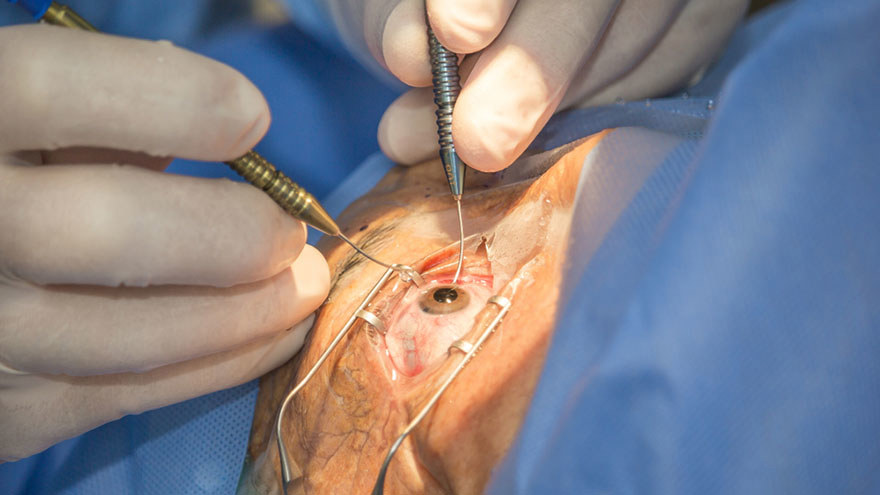
Traditionally, cataract surgery and presbyopia correction are performed separately. However, for those experiencing both conditions simultaneously, a combined surgery can offer a more efficient and long-term solution.
Here’s why combining the two procedures can be beneficial:
1. Convenience and Cost-Effectiveness
By addressing both conditions in a single surgery, patients can save time, money, and the stress of going through two separate recovery periods. Since cataract surgery is a routine and safe procedure, it makes sense to combine it with a treatment for presbyopia, especially when many patients develop both conditions at roughly the same age.
2. Reduced Dependence on Glasses
The goal of cataract surgery is to restore clarity of vision by replacing the cloudy lens with an artificial intraocular lens (IOL). By opting for a presbyopia-correcting IOL during the same surgery, patients can potentially eliminate the need for reading glasses or bifocals.
Presbyopia-correcting IOLs are designed to restore near, intermediate, and distance vision, helping people see clearly at all distances without relying on glasses. This is particularly important for active individuals who want to maintain their lifestyle without the inconvenience of multiple pairs of glasses.
3. Simplified Recovery
Rather than having to heal from two surgeries, patients who opt for a combined approach benefit from a single recovery process. With advancements in surgical techniques and modern IOL technology, the recovery time is minimal and less stressful.
What Happens During Combined Cataract and Presbyopia Surgery?
Cataract and presbyopia combined surgery is typically done as an outpatient procedure and is minimally invasive. Here’s what you can expect before, during, and after the surgery:
Before the Surgery: Preoperative Preparation
Comprehensive Eye Exam: At Jryn Eye Clinic, we conduct a thorough examination to evaluate your eye health, including the presence of cataracts and presbyopia, as well as your overall vision needs. This helps us determine whether combined surgery is the best option for you.
Choosing the Right IOL: The most critical decision in the combined procedure is selecting the appropriate IOL for your needs. At our clinic, we offer a range of premium lenses designed to address both cataracts and presbyopia. This could include multifocal or accommodating lenses, which provide clear vision at near, intermediate, and far distances.
Preoperative Instructions: You’ll be given specific instructions about how to prepare for the surgery. This may include fasting for a few hours beforehand and stopping certain medications temporarily.

During the Surgery: What to Expect
The surgery itself typically takes about 15 to 30 minutes and is performed under local anesthesia, which means you’ll be awake but won’t feel any pain.
Step 1: Cataract Removal – The surgeon makes a tiny incision in the cornea to access the cloudy lens. Using ultrasound technology (phacoemulsification), the cataract is broken up and gently removed.
Step 2: Inserting the IOL – After the cataract is removed, a presbyopia-correcting IOL is inserted into the same space where the natural lens was. The new IOL is carefully positioned to ensure it helps with both near and distance vision.
Since there’s no need for stitches, the recovery time is much faster compared to traditional surgery.
After the Surgery: Postoperative Care and Recovery
The recovery process after combined cataract and presbyopia surgery is generally quick, with many patients noticing improved vision within a day or two. However, here’s what you can expect in the days and weeks following the procedure:
Immediate Post-Surgery Care: You’ll be monitored for a short time after surgery to ensure there are no immediate complications. Most patients go home the same day.
Eye Protection: You may need to wear an eye shield at night to prevent accidental pressure on the eye during sleep. You’ll also be given antibiotic and anti-inflammatory eye drops to prevent infection and reduce inflammation.
Activity Restrictions: Avoid strenuous activities, heavy lifting, and swimming for a few weeks. You can generally return to work within a few days, but you should avoid activities that could strain your eyes.
Follow-Up Appointments: Regular follow-up visits to the clinic will be scheduled to monitor your healing and ensure that the new IOL is performing as expected.
Vision Changes: What to Expect
In the first few days after surgery, your vision might fluctuate slightly as your eyes adjust to the new lens. It’s important to remember that your brain needs time to adapt to the new visual system, especially with presbyopia-correcting lenses. Most patients experience significant improvements in clarity and can gradually reduce their reliance on glasses for everyday activities.
Is Cataract and Presbyopia Combined Surgery Right for You?
This combined surgery is an excellent choice for individuals who have cataracts and are also bothered by presbyopia. However, not every patient is a candidate for the procedure.
Some factors that may influence your eligibility include:
General Eye Health: If you have other eye conditions, such as glaucoma or retinal disease, these may need to be managed before proceeding with surgery.
Expectations: If you have specific vision needs, such as extreme near or distance vision demands, a consultation with your ophthalmologist can help determine if this combined surgery will meet your goals.
Personal Preferences: Some patients may prefer to maintain their reliance on glasses or contact lenses, so it’s important to consider your lifestyle preferences when making this decision.
Conclusion: Take Control of Your Vision
Cataract and presbyopia combined surgery is a highly effective way to address both conditions in one go, restoring your vision and reducing your dependency on glasses or contacts. If you’re facing both cataracts and presbyopia, consider visiting a clinic like Jryn Eye Clinic, where you can receive personalized care tailored to your needs. Our team, led by Dr. Han Sang Yeop, combines years of experience with state-of-the-art technology to provide the best possible outcomes for our patients.
Ready for a Personalized 1:1 Eye Consultation?
Schedule your comprehensive 3D eye examination with Chief Director Dr. Sang-Youp Han and our ophthalmology team on the 14th floor of JRYN Medical Center in Seomyeon, Busan.