Jryn Eye Clinic Busan (Seomyeon) · SMILE LASIK · EVO+ Visian ICL · Cataract & Retina Center · Tel: +82-51-710-1004
en-US

1:1 Consultation
CLINICAL ARTICLE & GUIDE
Cataract After LASIK? Busan Specialists Explain What to Do Next
Discover cataract after LASIK treatment in Busan. Local eye specialists explain symptoms, risks & solutions. Book your consultation today!
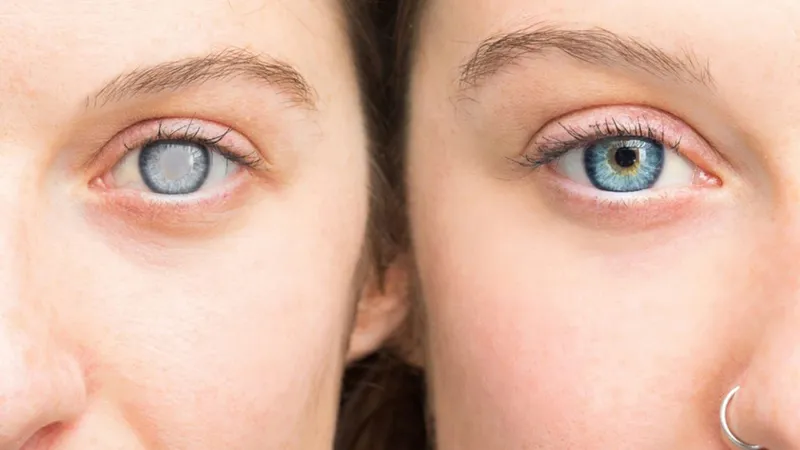
Introduction: When Vision Changes Twice in a Lifetime

In Korea, eyesight isn’t taken lightly. From school vision screenings to mandatory eye exams in the workplace, most people here are used to checking their vision regularly. Glasses are common in childhood, contact lenses in teenage years, and for many, LASIK surgery in young adulthood is a rite of passage.
If you’re in your 20s or 30s and tired of glasses, LASIK feels like freedom. Waking up in the morning and seeing clearly without reaching for glasses—it’s a small miracle. For many Koreans, especially those who live in cities like Busan with busy work schedules and an active social life, LASIK has been life-changing.
This is a situation we see frequently at Jryn Eye Clinic in Busanjin-gu, Busan. It’s completely natural, and the good news is that cataracts can still be treated effectively—even in eyes that have had LASIK before. The process just requires more careful planning.
Why Cataracts Still Develop After LASIK
LASIK is powerful, but it has limits. To understand why cataracts still develop, it helps to imagine the eye like a camera:
The cornea is the outer lens—the glass cover. LASIK reshapes this to improve focus.
The natural crystalline lens is deeper inside, like the main focusing lens of a camera. Cataracts happen here.
As we age, proteins in the lens clump together, scattering light and creating a cloudy effect. This is not something LASIK can prevent. Even if you had perfect eyesight after LASIK, the lens continues its natural aging process.
What people often overlook is how common this process is. By age 75, more than half of all people worldwide will have cataracts significant enough to impair daily life. In Korea, with our high rates of regular medical checkups, cataracts are usually caught earlier than in some countries—but they remain inevitable.
Common Risk Factors for Cataracts After LASIK
Age: The biggest factor. After 55, cataracts progress faster.
Genetics: If your parents developed cataracts early, you may too.
Lifestyle: UV exposure (especially for those living near the sea in Busan), smoking, and poor diet can contribute.
Medical conditions: Diabetes, high blood pressure, and long-term steroid use all increase risk.
So even if LASIK gave you clear vision, cataracts are still a natural stage of life. The key difference is this: when it comes time for cataract surgery, your history of LASIK changes how the doctor must plan.
Why Cataract Surgery After LASIK Is More Complex
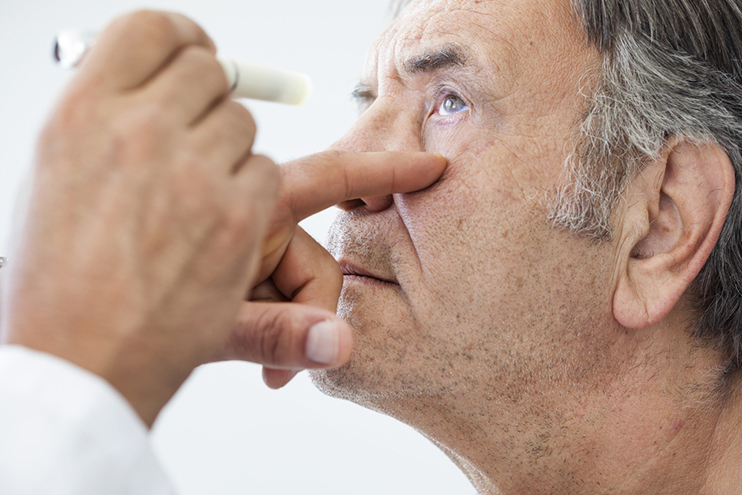
Cataract surgery today is one of the safest and most common surgeries in the world. The cloudy natural lens is removed and replaced with an artificial intraocular lens (IOL). Most patients go home the same day and enjoy clearer vision within days.
But here’s the challenge: the accuracy of the IOL power calculation.
For patients who never had LASIK, we use well-established formulas to determine the strength of the lens implant. These formulas depend on measuring the cornea’s curvature and the length of the eye. But LASIK changes the shape of the cornea, which makes these standard formulas less reliable.
Think of it like tailoring a suit: if someone altered the fabric 20 years ago, your measurements today may not fit standard patterns. Unless the tailor knows how to adjust for that history, the suit may not fit properly. In cataract surgery, that could mean a patient ends up dependent on glasses again, or worse, experiences visual imbalance between the two eyes.
This is why choosing a surgeon with experience in post-LASIK cataract surgery is so important. The surgery itself isn’t more dangerous—but the preparation, planning, and lens selection are more complex.
Advanced Diagnostic Tools That Make the Difference
At Jryn Eye Clinic, we’ve invested heavily in technology to address exactly this challenge. Standard machines aren’t enough; post-LASIK eyes require next-generation diagnostics.
Swept-Source OCT Biometry: Unlike older ultrasound methods, OCT uses light to scan the eye with incredible precision. It measures eye length, lens thickness, and anterior chamber depth—all critical for lens calculations.
Ray-Tracing Aberrometry: Instead of assuming how the cornea bends light, this technology measures the actual light pathways through the eye. This reveals how LASIK altered the optics, helping us choose the correct IOL.
Corneal Topography & Tomography: These create 3D maps of the cornea, showing subtle changes from past LASIK. This is essential if we’re considering advanced lenses like multifocal or toric implants.
To be honest, many patients are surprised by how much time we spend on measurements and discussion before surgery. But this is exactly where success is determined. The operation itself may take only 15 minutes—but the preparation is what ensures clarity for decades.
Choosing the Right Lens After LASIK
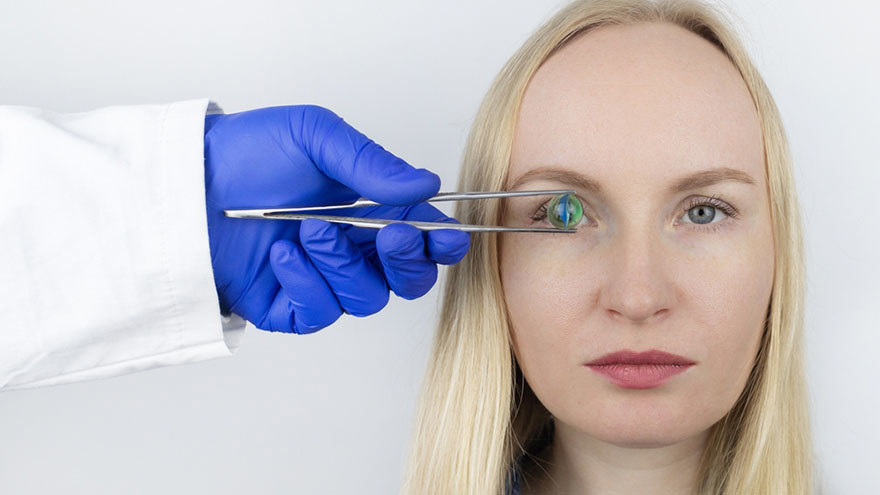
Lens selection is not “one size fits all.” Each type of IOL comes with strengths and trade-offs. For patients with prior LASIK, the choice must be even more carefully matched to their eyes and lifestyle.
Options Include:
Monofocal IOLs: Provide clear distance vision but require reading glasses. Very reliable, especially if corneal shape is irregular.
Toric IOLs: Correct astigmatism, giving sharper uncorrected vision.
Multifocal IOLs: Allow both near and distance focus, but may cause glare or halos at night. More challenging in post-LASIK eyes.
EDOF (Extended Depth-of-Focus) IOLs: Newer lenses that provide smoother vision across distances with fewer side effects.
At Jryn Eye Clinic, we don’t recommend “trendy” lenses just for the sake of it. Instead, we sit down and ask real questions:
Do you drive at night often?
Do you spend hours on the computer?
Do you enjoy hobbies like golf, sewing, or photography?
How important is it for you to read without glasses?
These conversations shape our recommendation more than any machine can. Because at the end of the day, the lens we implant is meant to serve your life—not the other way around.
What Patients in Busan Often Experience
Living in Busan, patients face unique eye health conditions: high UV exposure from seaside lifestyles, dry eye symptoms worsened by strong coastal winds, and heavy screen use in Korea’s tech-driven society. These factors often accelerate eye fatigue and highlight vision problems earlier.
A common story we see:
A patient had LASIK in their 30s, enjoyed clear vision for 20+ years.
In their late 50s, they start noticing glare while driving the Gwangan Bridge at night.
Reading menus in dim restaurants feels harder.
Even new glasses don’t make vision sharp.
That’s usually when they visit us—and discover cataracts are the cause.
Dr. Han often reassures patients:
"You’ve already experienced clear vision once after LASIK. With the right planning, cataract surgery can give you that joy a second time."
Patient Story: A Real Case From Busan
One of our recent patients, a 62-year-old teacher from Seomyeon, had LASIK at age 35. She loved her clear vision for decades, but in her 50s, night driving became stressful. She thought her LASIK had “worn off.” In truth, she had cataracts.
We used advanced biometry and selected an EDOF lens to match her lifestyle—lots of reading and computer work, plus night classes. After surgery, she told us:
"It feels like I got LASIK twice in my life. My students laugh when I say I can read the tiny text on their phone screens better than they can."
Stories like hers are why we emphasize careful evaluation rather than quick assumptions.
When Should You See a Specialist?
You don’t need to rush at the first sign of blur. But you should book an exam if you notice:
Glare, halos, or starbursts at night
Colors looking faded or dull
Increased need for light when reading
Vision that no longer improves with glasses
Even if surgery isn’t needed yet, getting a baseline check is crucial—especially for those with prior LASIK.
Conclusion: Clear Vision, Twice in a Lifetime
LASIK was never meant to be the final chapter in your vision journey—it was an important step. Cataracts are the next natural stage, and with today’s technologies, cataract surgery after LASIK can deliver outstanding results.
The difference lies in choosing a clinic that understands the nuances. At Jryn Eye Clinic in Busanjin-gu, Busan, Dr. Han Sang Yeop and our team specialize in these complex cases. With over 20 years of surgical experience, advanced diagnostic systems, and a patient-first philosophy, we help people regain the clarity they once celebrated after LASIK.
If your world is starting to look cloudy again—don’t wait. Cataracts don’t mean the end of clear vision. With the right approach, you can experience sharp, vibrant eyesight once more—clear enough to appreciate the ocean horizon of Haeundae, the evening lights of Seomyeon, or the fine details of a book held comfortably in your hands.
Ready for a Personalized 1:1 Eye Consultation?
Schedule your comprehensive 3D eye examination with Chief Director Dr. Sang-Youp Han and our ophthalmology team on the 14th floor of JRYN Medical Center in Seomyeon, Busan.