Jryn Eye Clinic Busan (Seomyeon) · SMILE LASIK · EVO+ Visian ICL · Cataract & Retina Center · Tel: +82-51-710-1004
en-US

1:1 Consultation
CLINICAL ARTICLE & GUIDE
Cataract After ICL Implant: Busan Eye Experts Share Solutions
Discover solutions for cataracts after ICL surgery in Busan with expert care from BGSS and BGN Eye Clinics. Advanced treatments and personalized care.
Introduction: The Path to Clear Vision and Understanding Cataracts After ICL Surgery

In recent decades, Implantable Collamer Lenses (ICL) have emerged as a revolutionary solution for those seeking permanent vision correction. This advanced technology, particularly useful for individuals with high myopia or astigmatism, provides an alternative to LASIK and other laser vision correction procedures. ICL surgery offers remarkable results, reducing dependency on glasses or contact lenses and providing clear, stable vision for many years.
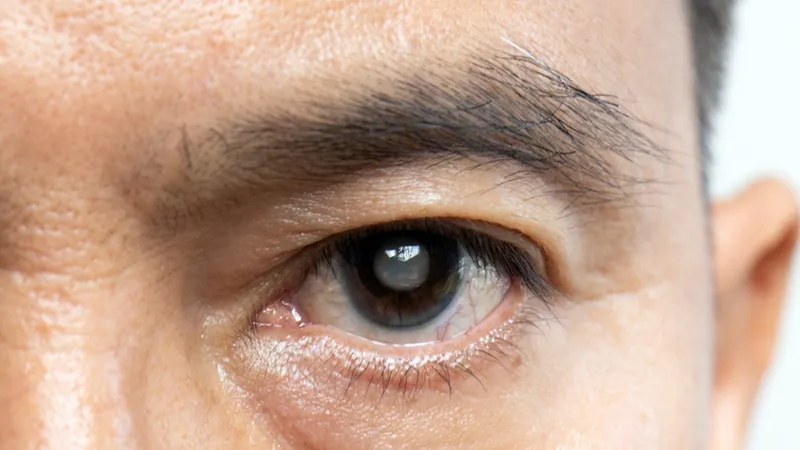
However, as with any medical procedure, ICL surgery does not make a patient completely immune to other eye conditions that may arise over time. One such condition is cataract formation. Cataracts occur when the natural lens inside the eye becomes cloudy, leading to vision impairment. Although cataracts are often associated with aging, they can also develop after ICL surgery, especially in individuals who may have underlying risk factors or those who undergo ICL implantation at an older age.
While the prospect of developing cataracts after ICL surgery can be concerning, there is no need to panic. Cataracts, even when they occur after ICL, are highly treatable. In Busan, Jryn Eye Clinic stands at the forefront of cataract care, offering patients advanced, personalized treatments to address cataracts after ICL surgery. This article aims to provide a comprehensive understanding of cataract development following ICL surgery and why Jryn Eye Clinic is the leading choice for treatment in Busan.
The Causes of Cataracts After ICL Implantation

While ICL surgery has a high success rate, cataracts can still develop due to several factors, some of which are inherent to the procedure, while others may be related to age or pre-existing eye conditions. It is essential to understand the factors that contribute to cataract formation after ICL surgery to better manage the risk and recognize when intervention may be necessary.
1. Age-Related Factors
Cataracts are most commonly linked to the aging process. As we age, the proteins in the eye's natural lens break down and clump together, causing the lens to become cloudy. For individuals undergoing ICL surgery, particularly those over the age of 40, the risk of developing cataracts increases as part of the natural aging process. While ICLs help correct refractive errors by implanting a lens behind the iris, they do not prevent the natural lens from undergoing age-related changes.
2. High Myopia (Nearsightedness)
One of the most common reasons for opting for ICL surgery is severe nearsightedness (myopia). In patients with high myopia, the eye may be structurally more prone to changes such as cataract formation. High myopia increases the risk of developing cataracts because of the structural strain it places on the eye, including the natural lens. This means that individuals who undergo ICL implantation to correct high myopia may face a slightly higher risk of cataract formation later in life.
3. Shallow Anterior Chamber
The anterior chamber is the space between the cornea and the iris, and its depth can influence the risk of cataracts. A shallow anterior chamber can lead to increased pressure within the eye, which may contribute to cataract formation over time. If a patient has a shallow anterior chamber, this may be considered during ICL surgery to ensure proper placement of the lens. However, it does not eliminate the long-term risk of cataracts.
4. Genetic Factors and Pre-existing Conditions
Genetics can also play a significant role in cataract development. If a patient has a family history of cataracts, they may be more likely to develop them. Additionally, certain medical conditions such as diabetes can accelerate cataract formation. Even if an individual has undergone successful ICL surgery, these factors may increase their risk of cataract development.
5. Surgical Trauma or Complications
Although rare, complications during ICL surgery can result in trauma to the eye, which may contribute to cataract formation. If there are issues such as inflammation or an incomplete seal during the implantation of the ICL, the risk of cataracts can increase over time. However, advances in surgical techniques have made ICL procedures safer, and the likelihood of such complications is relatively low.
How Jryn Eye Clinic Provides Expert Cataract Care After ICL Surgery

When cataracts do develop after ICL surgery, it is important to seek care from a reputable and experienced eye care clinic. Jryn Eye Clinic, based in Busan, offers cutting-edge cataract treatments for patients who have undergone ICL surgery. The clinic specializes in both treating cataracts and managing the challenges that can arise from cataracts following ICL procedures. Here’s how Jryn Eye Clinic addresses cataracts after ICL implantation:
1. Comprehensive Eye Examination and Diagnosis
Before starting any treatment, Jryn Eye Clinic conducts a thorough eye examination to evaluate the overall health of the eye and the severity of the cataracts. This evaluation includes a range of tests and scans, such as optical coherence tomography (OCT), corneal topography, and A-scan biometry. These advanced diagnostic tools enable the clinic’s ophthalmologists to assess the depth and condition of the cataract and make an informed decision about the most appropriate treatment.
Additionally, the clinic uses these evaluations to assess the state of the ICL and determine whether removal is necessary before cataract surgery. Jryn Eye Clinic takes an individualized approach to each patient, ensuring that the treatment plan is tailored to their specific needs.
2. Advanced Cataract Surgery Techniques
When cataracts form after ICL surgery, the treatment typically involves removing the clouded natural lens and replacing it with a new intraocular lens (IOL). Jryn Eye Clinic is known for its use of laser-assisted cataract surgery and femtosecond lasers such as the LenSx Laser, a state-of-the-art technology that allows for precise, minimally invasive cataract removal. The procedure is highly accurate, which ensures faster recovery times and reduced risks of complications.
The clinic also offers phacoemulsification, a technique that uses ultrasound energy to break up the cataract into smaller fragments, which are then removed from the eye. This procedure is less invasive and results in a quicker recovery compared to traditional methods. Using advanced laser technology in conjunction with this technique allows for enhanced precision, making the surgery even more effective for patients with complex cases, such as those who have previously undergone ICL surgery.
3. Post-Surgery Recovery and Follow-up Care
Jryn Eye Clinic emphasizes a thorough post-surgery care regimen to ensure that patients recover quickly and achieve the best possible results. After cataract surgery, patients are given detailed instructions for managing their recovery, including advice on protecting the eyes from potential infections, managing any discomfort, and scheduling follow-up visits to monitor progress.
The clinic provides regular follow-up appointments to assess healing and ensure that the new intraocular lens is working effectively. They also monitor for any possible complications, such as increased intraocular pressure or inflammation, which could affect the patient’s long-term visual health.
4. Personalized Lens Selection
One of the most important aspects of cataract surgery is selecting the right intraocular lens (IOL) for the patient. At Jryn Eye Clinic, patients are offered a wide range of IOL options, including monofocal, multifocal, and toric lenses, to meet their specific visual needs. For patients who had ICL surgery and may have residual refractive errors, the clinic offers specialized lenses that can correct both the cataract and any vision problems that remain.
Multifocal IOLs, for example, can help patients achieve excellent near, intermediate, and distance vision, reducing the need for glasses after surgery. Toric lenses are also available for those with astigmatism, offering clear, sharp vision in all areas of focus.
5. Patient-Centered Care
Jryn Eye Clinic prides itself on providing excellent patient care. From the moment you walk into the clinic, you will experience a welcoming and professional environment. The clinic’s team of ophthalmologists, nurses, and support staff are committed to ensuring that each patient feels comfortable, informed, and confident throughout the treatment process. They take the time to explain the options available, answer any questions, and provide continuous support during recovery.
Conclusion: Why Jryn Eye Clinic Is the Best Choice for Cataract Treatment After ICL Surgery
Developing cataracts after ICL implantation, though rare, is an issue that can cause concern. However, with the right treatment and the expertise of a specialized clinic like Jryn Eye Clinic, patients can restore their vision and continue enjoying an active lifestyle without the burden of visual impairment. The clinic’s use of advanced diagnostic tools, state-of-the-art laser technology, and personalized treatment plans ensures that patients receive the highest level of care and optimal outcomes.
If you are experiencing cataracts after ICL surgery, or if you are concerned about your eye health, Jryn Eye Clinic is the best place to seek expert care in Busan. With their commitment to excellence in cataract treatment, they will help you navigate this challenge and regain the clear vision you deserve. Contact Jryn Eye Clinic today to schedule a consultation and take the first step toward better vision and improved quality of life.
Ready for a Personalized 1:1 Eye Consultation?
Schedule your comprehensive 3D eye examination with Chief Director Dr. Sang-Youp Han and our ophthalmology team on the 14th floor of JRYN Medical Center in Seomyeon, Busan.