Jryn Eye Clinic Busan (Seomyeon) · SMILE LASIK · EVO+ Visian ICL · Cataract & Retina Center · Tel: +82-51-710-1004
en-US

1:1 Consultation
CLINICAL ARTICLE & GUIDE
Can You Get LASIK Twice? Reoperation Options Explained
Discover if you can get LASIK twice, when enhancements are needed, risks, and alternatives. Learn about reoperation options and what to expect today.

Introduction: The Question Many Patients Ask

In Busan, it’s not uncommon for patients to walk into our clinic with a puzzled look and ask, “Doctor, I had LASIK years ago… can I do it again?” Sometimes they are in their 30s or 40s, noticing their vision isn’t as sharp as it used to be. Other times, they’re in their 50s and frustrated that reading glasses have crept into their lives.
This question is more common than you might think. LASIK, which reshapes the cornea to reduce dependence on glasses or contact lenses, has been around for decades. Many patients in Korea had the surgery in their 20s when entering university, before military service, or early in their careers. Now, years later, their vision needs have changed.
The short answer is: yes, LASIK can sometimes be repeated—but not always. The real answer requires understanding why vision changes over time, what reoperation options exist, and which treatments truly match the stage of your eye’s life. At Jryn Eye Clinic in Busanjin-gu, we believe in guiding patients with honesty and precision—because the decision to repeat LASIK, or to choose a different procedure, is one of balance and long-term care.
Why Vision May Change After LASIK
LASIK is not a “temporary” surgery. When performed correctly, the reshaping of the cornea is permanent. However, your eyes themselves continue to age. This natural process explains why some patients notice blurred vision again years later.
1. Natural Aging of the Lens
Inside every eye is a clear lens. Over time, this lens stiffens (causing presbyopia) and eventually becomes cloudy (leading to cataracts). These changes are completely separate from LASIK. So even if your cornea was perfectly reshaped, your lens can still alter your vision.
Think of it like polishing the glass of a window—the window stays clear, but if the light bulb inside grows dim, the room still feels darker.
2. Regression
A smaller group of patients experience what we call regression. The cornea subtly shifts back toward its original shape, reintroducing a degree of nearsightedness or astigmatism. This isn’t common, but it does happen—especially in patients with very high prescriptions before their first LASIK.
3. Other Eye Conditions
Dry eye syndrome, retinal changes, or corneal irregularities can also cause blurred vision years after LASIK. In these cases, a second LASIK would not solve the underlying issue.
At our clinic, the most important first step is a thorough examination—not an assumption that LASIK “wore off.” Often, what patients truly need is not another laser surgery but tailored management for their current condition.
Can LASIK Be Performed Twice?

Yes, LASIK can be repeated in certain patients. This is known as a LASIK enhancement. However, eligibility depends on strict criteria.
Key Factors We Consider
Corneal Thickness: LASIK works by reshaping the cornea with a laser. Each treatment removes a thin layer of tissue. If too much was removed in the first surgery, or if the cornea is naturally thin, a second LASIK may not be safe.
Corneal Stability and Health: We check for signs of weakness, scarring, or ectasia (progressive thinning). If these are present, enhancement is not recommended.
Age and Visual Needs: Patients under 50 with stable prescriptions are generally better candidates for LASIK reoperation. For those in their mid-40s and beyond, presbyopia and cataracts are often the true culprits behind blurred vision.
Type of Initial Surgery: Technology has advanced tremendously. If you had LASIK in the early 2000s, today’s procedures—such as SMILE or EVO ICL—might be safer and more precise than repeating LASIK itself.
To be candid, we don’t automatically recommend another LASIK just because it’s possible. Our role as doctors is to weigh the long-term safety of your eyes, not just the short-term clarity.
Alternatives to a Second LASIK
Many patients feel relieved when they learn that they have multiple reoperation options beyond LASIK. Advances in ophthalmology mean we can personalize treatment far more than we could 10–20 years ago.
PRK (Photorefractive Keratectomy)
Instead of creating or lifting a flap, PRK reshapes the cornea’s surface. This is often used when the cornea is too thin for another LASIK. The recovery takes longer, but results are excellent once healing is complete.
SMILE (Small Incision Lenticule Extraction)
SMILE uses a tiny incision (2–4 mm) to remove a lenticule of corneal tissue. It avoids creating a flap and preserves more corneal strength. For patients who had LASIK before, SMILE may be considered if conditions allow.
EVO ICL (Implantable Collamer Lens)
This is often the best option for patients with thin corneas, high prescriptions, or those who had LASIK long ago but now want sharper vision again. Think of it as a permanent, invisible contact lens implanted inside the eye—without altering corneal thickness further.
Lens-Based Solutions
For patients in their late 40s or older, the clearest path may not be more corneal surgery at all. Lens replacement or cataract surgery with advanced intraocular lenses can solve multiple issues at once: distance vision, presbyopia, and lens clouding.
At Jryn Eye Clinic, we often remind patients: “The best treatment is the one that matches the age of your eyes, not the age you were when you first had LASIK.”
What to Expect If You Have LASIK Again
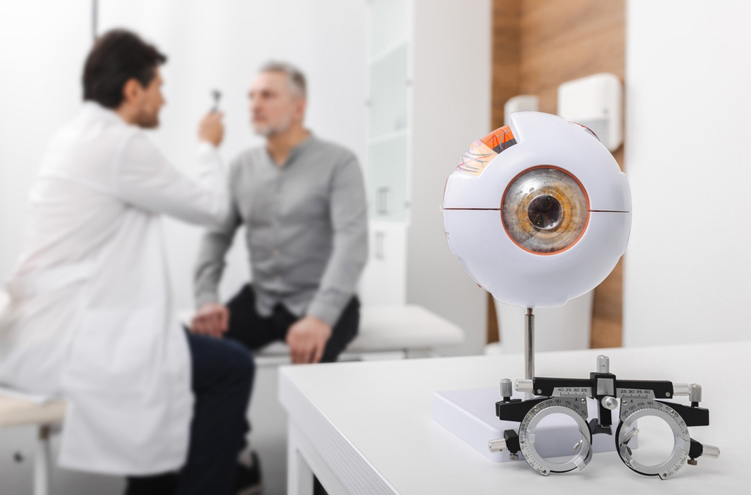
If you are a candidate for LASIK enhancement, the procedure itself is usually quick and straightforward.
Duration: Often just a few minutes per eye.
Recovery: Slightly faster than the first time, since the tissue removal is less extensive.
Results: Many patients regain the same crisp vision they remember.
However, the risks can be slightly higher, including:
Flap-related complications (if the old flap is lifted again)
Increased dryness, especially in patients already prone to dry eye
Corneal irregularities if tissue is limited
This is why we only recommend enhancements after comprehensive testing and with advanced laser platforms that allow for precise, safe correction.
Patient Stories: Lessons From the Clinic
To illustrate, let me share two real-world examples (details anonymized):
Case 1: A university graduate in his 30s had LASIK eight years ago. His distance vision began to blur slightly, especially when driving at night. Tests showed a stable cornea and enough thickness for an enhancement. After a quick second LASIK, he regained 20/20 vision and no longer squints at street signs.
Case 2: A 52-year-old office worker had LASIK in her 20s. She was frustrated she needed reading glasses and assumed the surgery had “failed.” But her cornea was perfect—what had changed was her natural lens. We recommended refractive lens exchange with a multifocal intraocular lens. She now enjoys clear vision both at distance and near, something another LASIK could never have achieved.
These stories highlight the most important point: success is not about repeating the same procedure, but choosing the right one for your stage of life.
Conclusion: A Clearer Way to Think About LASIK Twice
So, can you get LASIK twice? Yes—but only if your eyes are suitable, and often, there may be better options. What matters most is not repeating the past but planning for your eyes’ future.
At Jryn Eye Clinic, we see vision care as a lifelong journey. Dr. Han Sang Yeop and our team have guided countless patients through not just their first LASIK, but also their later needs—whether that meant enhancements, EVO ICL, or lens-based solutions.
If you’ve noticed your vision slipping after LASIK, don’t assume you need the same surgery again. Instead, schedule a comprehensive exam at a clinic equipped with advanced diagnostics and experienced specialists.
In Busanjin-gu, Busan, Jryn Eye Clinic offers precisely that—a combination of world-class technology, personalized care, and over 20 years of surgical expertise. Whether you need a LASIK enhancement or a completely different solution, we’ll help you see your future with clarity.
Ready for a Personalized 1:1 Eye Consultation?
Schedule your comprehensive 3D eye examination with Chief Director Dr. Sang-Youp Han and our ophthalmology team on the 14th floor of JRYN Medical Center in Seomyeon, Busan.