Jryn Eye Clinic Busan (Seomyeon) · SMILE LASIK · EVO+ Visian ICL · Cataract & Retina Center · Tel: +82-51-710-1004
en-US

1:1 Consultation
CLINICAL ARTICLE & GUIDE
Can You Get Cataracts Twice? What Busan Patients Should Know
Can cataracts return? Learn what Busan patients need to know about cataract surgery, recovery, and risks of recurrence. Get expert insights today!
Introduction
Cataracts are one of the most common eye conditions, affecting millions of people as they age. In Busan, where regular health check-ups are part of the culture, many people are familiar with cataract surgery and its life-changing effects. However, a question that often arises after surgery is: Can you get cataracts twice? This concern is understandable, especially for those who have undergone cataract surgery and want to ensure their vision remains clear long-term. At Jryn Eye Clinic, we’re here to offer clarity on this topic and help you navigate the complexities of cataract surgery, recovery, and potential complications.
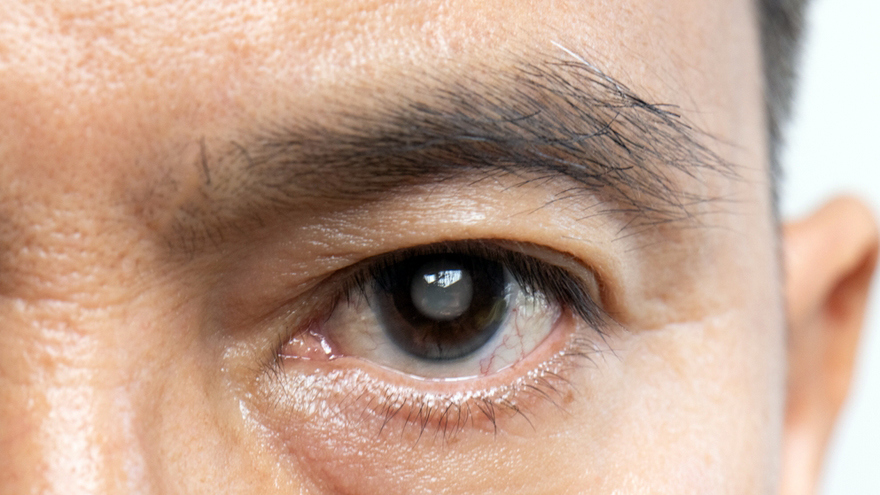
What Are Cataracts?\n\nCataracts are one of the most common causes of vision loss, especially as we age. They occur when the clear lens inside your eye, which helps focus light onto the retina, becomes cloudy or foggy. This cloudiness interferes with the passage of light into the eye, leading to blurry or dimmed vision.
Imagine trying to look through a foggy window—everything becomes hard to see clearly, and colors may appear faded or washed out. That’s essentially what happens when cataracts form. They can affect one or both eyes and develop gradually over time, sometimes without the person noticing right away.
In South Korea, where regular eye exams are a part of many people's health routines, cataracts are a condition that doctors watch closely. Typically, cataracts are associated with aging, but other factors like genetics, smoking, diabetes, and prolonged exposure to sunlight can increase the risk of developing them at a younger age.
Symptoms of cataracts can include:
Blurry or cloudy vision: Objects may appear out of focus, and it might seem like you're looking through a foggy window.
Glare and halos: Bright lights, especially at night, may cause glare, halos, or difficulty seeing.
Frequent changes in prescription glasses: You may need new glasses more often as cataracts develop.
Faded colors: Colors may appear less vibrant or washed out.
Double vision: In some cases, cataracts can cause double vision in one eye.
Cataracts can develop in one or both eyes, and their progression is often gradual. But, as they worsen, they can interfere significantly with daily activities like reading, driving, and even recognizing faces. Fortunately, cataract surgery is highly effective, and for many people, it can restore vision to what it was like before cataracts developed.
Can Cataracts Come Back After Surgery?
Now, to the question on everyone's mind: Can you get cataracts twice? The short answer is: No, but here’s the nuanced explanation.
Once you undergo cataract surgery, the clouded natural lens is removed and replaced with a clear artificial lens, known as an intraocular lens (IOL). The surgery itself is usually straightforward, and the results can be life-changing. For many Busan residents who have had their cataracts removed, the difference is like seeing the world in high-definition for the first time.
However, while you can’t technically get cataracts again, there’s something that can happen: a condition called posterior capsule opacification (PCO).
What Is Posterior Capsule Opacification (PCO)?
After cataract surgery, the artificial lens is implanted in the same spot where your natural lens used to be, supported by the capsule that originally held it in place. While the new IOL remains clear, the capsule behind the lens can sometimes become cloudy. This condition is often referred to as "secondary cataract," although it’s not technically a cataract because it doesn’t involve the lens itself.
PCO can occur months or even years after surgery, and it can lead to symptoms similar to the original cataract: blurry vision, glare, and difficulty seeing at night. The reason it's sometimes referred to as a “second cataract” is that it feels similar to having cataracts again, even though it’s technically a different issue.
How Common Is Posterior Capsule Opacification?
PCO is actually quite common, and some studies show that up to 20-40% of patients who have had cataract surgery may experience it within two to five years of their procedure. However, it’s important to note that not everyone will develop this complication. In fact, with the advanced techniques and technology available today, the risk of PCO is significantly lower than it used to be.
At Jryn Eye Clinic, we use cutting-edge diagnostic tools to minimize such risks and provide our patients with the most precise cataract surgeries possible. Our team, led by Dr. Han Sang Yeop, ensures that every patient receives care tailored to their unique needs, which reduces the likelihood of complications down the line.
How Is Posterior Capsule Opacification Treated?
If you do experience PCO, the good news is that it’s treatable. The procedure is known as YAG laser capsulotomy, a quick, painless procedure where a laser is used to make a small opening in the cloudy capsule, allowing light to pass through again and restoring clear vision. Most people experience immediate improvement in their vision after the procedure, and there’s no need for further surgery.
It’s a simple and highly effective treatment, and the recovery time is minimal. You can usually resume normal activities the same day. The procedure doesn’t involve any cuts or stitches, and it’s done on an outpatient basis, so it’s much less invasive than the original cataract surgery.
When to Seek Treatment

If you're experiencing blurry vision again after cataract surgery, it’s important to consult with your ophthalmologist. Don’t assume it’s just a normal part of aging or that it’s another cataract. PCO can usually be diagnosed during a routine eye exam, so regular follow-ups are essential. At Jryn Eye Clinic, we encourage patients to have follow-up appointments after cataract surgery to ensure everything is healing properly, and to detect any complications early.
What About Other Risks After Cataract Surgery?
Though PCO is the most common concern after cataract surgery, it’s not the only issue that can arise. Some patients may experience:
Infection: While rare, infection is a risk after any surgery. Your ophthalmologist will provide instructions on how to care for your eye post-surgery to minimize this risk.
Inflammation: Mild inflammation can occur after surgery, but it’s usually well-managed with medication.
Retinal Detachment: Though rare, cataract surgery slightly increases the risk of retinal detachment. Your eye doctor will monitor you for any signs.
These are all reasons why it’s important to follow your post-operative care instructions carefully and keep all scheduled follow-up appointments. In Busan, where many patients receive cataract surgery, it’s crucial to partner with a trusted clinic that can guide you through every step of the process.
Why Regular Eye Check-ups Matter for Busan Residents
In Busan, many people regularly visit their ophthalmologists for eye check-ups as part of their health routine. This proactive approach helps detect any eye conditions, including cataracts, early on. Whether you’re in your 40s and noticing difficulty reading small print or you’re in your 60s and beginning to experience blurry vision, eye exams play an important role in preserving your sight.
If you’ve already had cataract surgery, your eye health doesn't stop there. Even after surgery, regular check-ups can catch potential complications like PCO early, allowing for quick treatment and a better quality of life. This is why we at Jryn Eye Clinic emphasize the importance of ongoing care—not just for cataract surgery, but for long-term eye health.
The Takeaway for Busan Patients
To sum up: You can’t get cataracts again after surgery, but you can develop posterior capsule opacification (PCO), which can feel like having cataracts again. The good news is that PCO is easily treatable with a YAG laser capsulotomy, a quick and effective procedure.
If you’ve had cataract surgery and are experiencing symptoms similar to the original cataracts, don’t hesitate to reach out to your ophthalmologist. And if you’re concerned about cataract surgery or other eye issues, consider booking a consultation at a trusted clinic like Jryn Eye Clinic, where we specialize in cataract treatments, vision correction, and more. With the right care, your vision can continue to be clear, bright, and strong for years to come.
Conclusion
While it’s not possible to develop cataracts again after surgery, a condition called posterior capsule opacification (PCO) can mimic the symptoms of cataracts, leading to blurry vision. Fortunately, PCO is treatable with a simple laser procedure, restoring clear vision in no time. Regular eye exams are crucial to monitor your eye health, especially after cataract surgery. If you’re experiencing changes in your vision or simply want to ensure long-term eye health, consider visiting Jryn Eye Clinic for personalized care and advanced treatments. Protect your sight and enjoy clear vision for years to come—because at Jryn Eye Clinic, we’re committed to your long-term eye health.
Ready for a Personalized 1:1 Eye Consultation?
Schedule your comprehensive 3D eye examination with Chief Director Dr. Sang-Youp Han and our ophthalmology team on the 14th floor of JRYN Medical Center in Seomyeon, Busan.