Jryn Eye Clinic Busan (Seomyeon) · SMILE LASIK · EVO+ Visian ICL · Cataract & Retina Center · Tel: +82-51-710-1004
en-US

1:1 Consultation
CLINICAL ARTICLE & GUIDE
Can You Fly After Eye Surgery? What Busan Doctors Advise
Can you fly after eye surgery? Discover Busan doctors’ expert advice on safety, recovery, and travel tips. Learn more before booking your flight!
Introduction
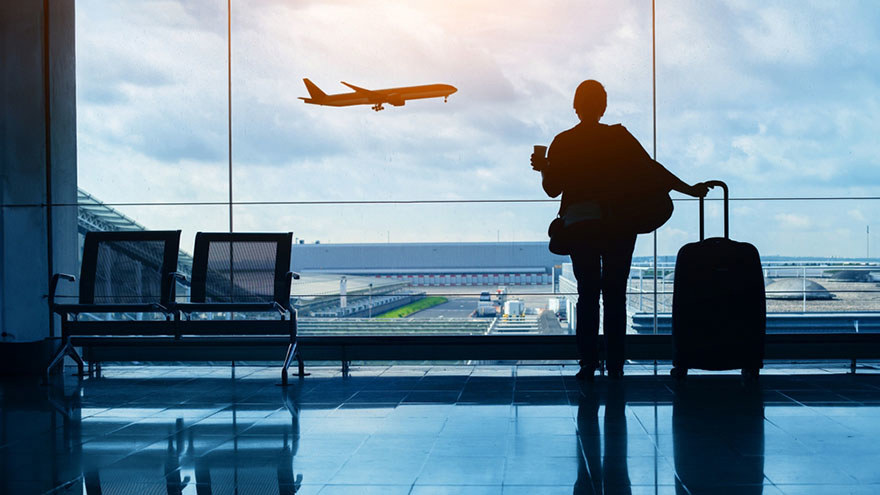
Busan has a way of blending two worlds—calm ocean views and the constant movement of an international port city. Every week at Jryn Eye Clinic, we meet patients who arrive from across Korea or overseas for advanced vision correction, cataract treatment, or retinal surgery. They come for the precision of our technology, the experience of our surgical team, and—sometimes—the chance to enjoy Busan’s coastline before heading home.
But there’s one question we hear again and again, often just as the patient is zipping up their suitcase:
“Doctor, can I still get on my flight after surgery?”
It sounds simple, but it’s not a yes-or-no answer. Air travel after eye surgery isn’t just about getting from point A to point B—it’s about how your healing eye will react to cabin pressure, dry air, and hours without proper care. And in a city where medical tourism and quick turnarounds are common, the risk of rushing into a flight is higher than most patients realize.
Whether you’re flying to Jeju, Tokyo, or halfway across the world, knowing when—and how—it’s safe to travel after surgery can make the difference between a smooth recovery and a regrettable complication. In this guide, we’ll explain what Busan ophthalmologists advise, the science behind those recommendations, and how Jryn Eye Clinic helps patients travel safely without compromising their vision.
Why This Question Comes Up So Often in Busan
Busan isn’t just South Korea’s second-largest city—it’s a global travel gateway. Our airport connects to cities across Asia, our KTX train links us to Seoul in 2.5 hours, and our ports welcome cruise passengers from Japan, China, and beyond.
Three patterns make this question common in our clinic:
Medical Tourism – International patients fly to Busan for advanced, affordable procedures and often book flights home soon after.
Tight Work Schedules – Local residents fit surgeries into the shortest possible leave from work, sometimes flying domestically right after.
Family Commitments – Many of our older patients travel quickly after surgery to attend family events in other regions.
This combination means a significant number of patients are thinking about travel before they’re thinking about healing. That’s why, at Jryn Eye Clinic, we address travel timing in your first consultation, not as an afterthought.
The Science of Why Flying Can Challenge Healing Eyes
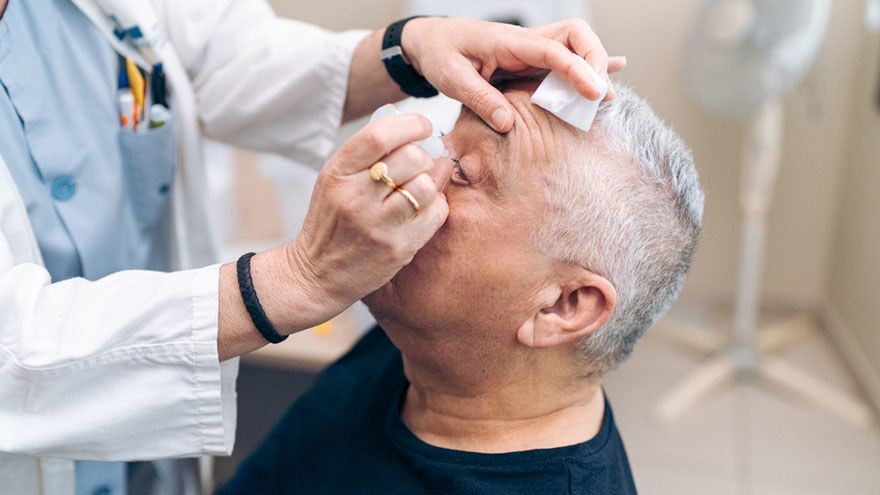
Most people think of flying as a relaxing activity: you board, sit, maybe watch a movie, and land. But your eyes experience subtle physical stresses during flight that matter much more when they’re in recovery mode.
1. Dryness That Feels Like Sandpaper
Post-surgery eyes already produce fewer tears because corneal nerves are temporarily disrupted. Add airplane air—often drier than the Sahara Desert—and your eyes can feel scratchy, blurry, or even painful. Without intervention, dryness can slow epithelial healing or cause temporary visual fluctuations.
2. Cabin Pressure Effects
Airplanes are pressurized to a level similar to being on a mountain about 2,000 meters high. For most people, that’s fine. But if your surgery involved internal gases—such as a retinal repair using SF6 or C3F8—this reduced pressure can make the gas bubble expand dangerously, spiking your intraocular pressure and risking permanent damage.
3. Reduced Access to Care
On the ground in Busan, if something feels wrong, you can be in our clinic in 20 minutes. In the air, you might be 8 hours from medical help. This is critical if you develop sudden pain, severe dryness, or vision changes mid-flight.
4. Infection Risk
While flying doesn’t inherently cause infections, the inability to clean or medicate your eye properly for hours can allow bacteria to take advantage if your eye is still vulnerable.
Surgery-by-Surgery Travel Timing
While each patient’s case is unique, here’s what Busan ophthalmologists, including Dr. Han Sang Yeop, generally advise:
SMILE LASIK, LASIK, LASEK
Typical clearance: 2–3 days after surgery if healing is smooth.
Why wait?: The first 48 hours are critical for corneal stability and preventing flap or surface disruptions.
Special caution: LASEK recovery is slower; flying earlier than day 3 is rarely wise.
Cataract Surgery
Typical clearance: 3–5 days after surgery, assuming no swelling or infection.
Why wait?: To ensure the intraocular lens is secure and the corneal incision is fully sealed.
Risks of early flight: Discomfort, infection, or fluid buildup in the cornea.
Retinal Surgery
If a gas bubble was used: Flying is absolutely prohibited until the bubble is fully absorbed (can take 2–8 weeks).
Why?: Gas expansion at altitude can dangerously increase intraocular pressure, causing severe pain and vision loss.
If no gas bubble: Usually at least 1–2 weeks before flying to ensure no bleeding or retinal instability.
How Flight Length Changes the Equation
Short domestic flights (under 1 hour): Still expose you to dry cabin air and pressure changes, but risks are generally lower—though not zero—if cleared by your doctor.
Long-haul flights (6+ hours): Prolonged dryness, limited movement, and reduced opportunities for eye care make these more stressful on healing eyes.
The Most Overlooked Factor: How You Fly

Many patients obsess over when they can fly, but neglect how they should fly. Even with clearance, poor in-flight habits can cause unnecessary discomfort or slow recovery.
In-Flight Protection Checklist:
Drops every 30–60 minutes: Preservative-free only, to avoid irritation.
Wraparound glasses: Shield from air vents.
Hydration: Drink water, not just coffee or tea.
Hands off: No rubbing, even if eyes feel itchy.
Seating strategy: Aisle seat for easier movement and restroom trips to apply drops.
How Jryn Eye Clinic Prepares Flying Patients
Our clinic’s approach combines safety and convenience, so you can travel without risking your results:
Travel Disclosure – We ask about all upcoming flights at your first consultation.
Customized Recovery Plan – Adjusting either the surgery date or flight schedule to align safely.
Pre-Flight Exam – Within 24–48 hours before departure, we check healing, lens position, and eye pressure.
Travel Kit – Drops, shields, cleaning cloth, and written instructions in Korean and English.
Emergency Plan – Clear guidance on symptoms that require urgent care and where to find help abroad.
Real Stories from Busan Patients
The Overnight Flyer
A Tokyo patient had SMILE LASIK and was booked to fly 36 hours later. Healing looked good, but we armed her with an intensive lubrication routine. She followed it strictly and had no issues on her flight home.
The Delayed Departure That Paid Off
A Malaysian cataract patient was due to leave 48 hours post-op. We found mild corneal swelling at her pre-flight check and advised a two-day delay. When she finally flew, her vision was perfect and comfortable.
The Retinal Surgery No-Fly Rule
A Busan retiree needed urgent retinal detachment repair with a gas bubble. His grandson’s wedding was overseas a month later, but we had to explain that flying before the bubble resolved could cost him his sight. He postponed, attended the wedding via video call, and later flew safely with stable vision.
Why Waiting Is Worth It
Airfare changes and hotel nights can be expensive—but vision is priceless. A short delay can mean:
Avoiding pain and discomfort mid-flight.
Preventing complications that require emergency treatment abroad.
Ensuring your surgery results last for decades without avoidable setbacks.
Conclusion
Flying after eye surgery is not inherently unsafe—but safe travel depends entirely on timing, preparation, and your eye’s healing progress. For some patients, clearance comes within days; for others, especially those who’ve had retinal procedures with gas bubbles, it can take weeks. The temptation to board a plane too soon is understandable—life doesn’t stop for recovery—but the risks to your long-term vision make patience worth it.
At Jryn Eye Clinic, our philosophy is simple: precision in surgery must be matched by precision in aftercare. That means we never give generic answers about travel—we give your answer, based on your procedure, your healing, and your plans. If that means adjusting a flight or staying in Busan a little longer, we see it as an investment in a lifetime of clear sight.
So if your surgery date and travel date are already set, tell your surgeon from the start. Let’s plan together, so that when you finally take off, you can enjoy the view from your window seat—comfortably, safely, and with the clear vision you came here for.
Ready for a Personalized 1:1 Eye Consultation?
Schedule your comprehensive 3D eye examination with Chief Director Dr. Sang-Youp Han and our ophthalmology team on the 14th floor of JRYN Medical Center in Seomyeon, Busan.