Jryn Eye Clinic Busan (Seomyeon) · SMILE LASIK · EVO+ Visian ICL · Cataract & Retina Center · Tel: +82-51-710-1004
en-US

1:1 Consultation
CLINICAL ARTICLE & GUIDE
Can LASIK Fix Farsightedness? Busan Experts Explain
Discover how LASIK can effectively treat farsightedness. Learn from Busan's top experts about the benefits and results of this popular eye surgery. Book a consultation now!

Introduction

If you’ve been struggling with farsightedness (hyperopia), you know the challenge of trying to focus on close-up tasks, like reading a book or using your phone, while distant objects may seem just fine. You’re not alone—farsightedness affects millions of people, and while glasses or contact lenses can offer temporary relief, many people are turning to LASIK surgery as a permanent solution. But does LASIK work for farsightedness? The team at Jryn Eye Clinic in Busan, led by Dr. Han Sang Yeop, a seasoned ophthalmologist with over 20 years of experience, explains how LASIK can correct farsightedness and why it may be the right choice for you.
What is Farsightedness?
Farsightedness, also known as hyperopia, is a refractive error where light entering the eye is focused behind the retina rather than directly on it. This typically occurs because the eye’s shape is too short, or the cornea (the clear, curved surface at the front of the eye) is too flat. As a result, objects up close—such as text in a book, a smartphone screen, or even a menu at a restaurant—become blurry and hard to focus on, while distant objects may appear clear.
Living in a bustling city like Busan, where so much of daily life revolves around reading, using digital devices, or engaging in close-up work, farsightedness can become more than just an inconvenience. The constant need to strain your eyes to focus on nearby objects can disrupt everyday activities and affect your quality of life. Although farsightedness is often corrected with glasses or contact lenses, these solutions can be temporary and may not always provide the most comfortable experience. LASIK surgery, on the other hand, offers a permanent solution by reshaping the cornea to correct the underlying cause of hyperopia.
How LASIK Works to Correct Farsightedness
At Jryn Eye Clinic, we specialize in advanced LASIK techniques, including SMILE LASIK, which are tailored to your individual needs. LASIK, which stands for Laser-Assisted in Situ Keratomileusis, is a widely recognized surgical procedure designed to reshape the cornea for clearer vision. By modifying the curvature of the cornea, LASIK allows light entering the eye to focus correctly on the retina, leading to sharper vision at all distances.
For those with farsightedness, LASIK works by flattening the central portion of the cornea. This adjustment helps shift the light's focal point, moving it from behind the retina to directly onto it. The result is improved near vision clarity, allowing you to see objects up close with greater ease—whether it’s reading a book, looking at a phone screen, or simply focusing on anything nearby.
At Jryn Eye Clinic, our team, led by Dr. Han Sang Yeop, takes a personalized approach to LASIK, ensuring that every treatment plan is optimized for your unique vision needs. With cutting-edge technology and expertise, we offer precise and safe LASIK procedures that can help you regain the freedom to see clearly without the need for corrective lenses.
The LASIK Procedure for Farsightedness
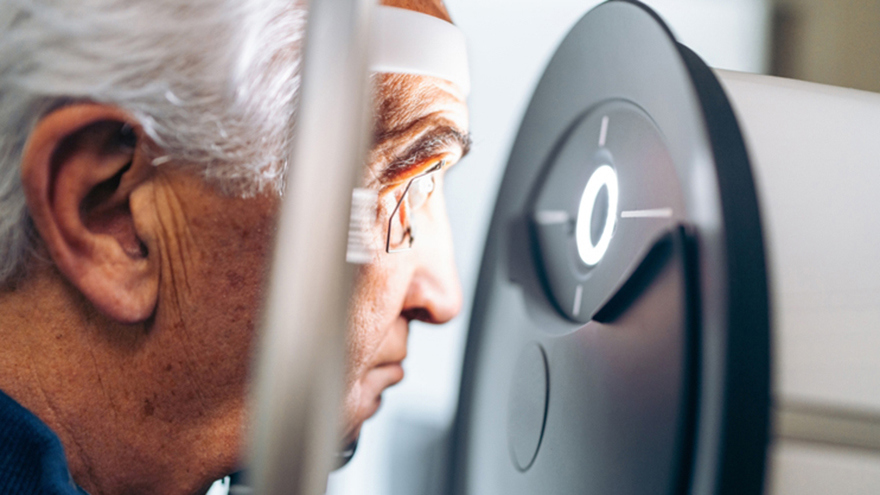
The LASIK procedure for farsightedness is remarkably similar to the one for myopia. Here’s what you can expect during the process:
Pre-Operative Evaluation: Before the surgery, your eye doctor will conduct a comprehensive exam to assess the health of your eyes and determine if you're a good candidate for LASIK. This includes measuring the curvature of your cornea, the thickness of your cornea, and overall eye health. If you are farsighted, your doctor will look at how your eyes are focusing and how much correction is needed.
Numbing Drops: LASIK surgery is performed while you're awake, but don’t worry—numbing eye drops will be administered to ensure you don’t feel any discomfort during the procedure. You may feel slight pressure on your eye as the doctor works, but it won’t be painful.
The Laser Treatment: Using a specialized laser, your surgeon will reshape the cornea. For farsightedness, the laser flattens the center of the cornea. This allows light to focus directly onto the retina, improving the clarity of close-up vision.
Post-Operative Care: After surgery, you’ll be given eye drops to prevent infection and reduce inflammation. It's important to follow your doctor’s post-op care instructions closely, which include avoiding rubbing your eyes and attending follow-up visits to ensure the healing process is going smoothly.
Most patients experience an improvement in their vision within a few hours or days after surgery, though it may take a few weeks for your eyes to fully stabilize. Unlike glasses or contact lenses, which only temporarily improve your vision, LASIK provides a permanent correction to your vision.
Advantages of LASIK for Farsightedness
No More Glasses or Contacts: After LASIK, many patients find that they no longer need glasses or contact lenses for reading or other close-up tasks. This is especially beneficial for those who find it uncomfortable or inconvenient to rely on corrective lenses all the time.
Fast Recovery: One of the standout features of LASIK is the speed of recovery. Most patients notice immediate improvements in their vision within a day or two, with minimal downtime. Many return to their normal activities within a day or so.
Long-Term Results: LASIK offers long-lasting results. For farsighted patients, the reshaping of the cornea is permanent, meaning that the correction stays in place over time. While your vision may change naturally with age (e.g., developing presbyopia), the correction made during LASIK will not reverse itself.
Improved Quality of Life: Imagine being able to read your favorite book or watch a movie on your phone without the hassle of glasses. LASIK can improve your overall quality of life by offering the freedom to see clearly without depending on corrective lenses.
Are You a Good Candidate for LASIK?

While LASIK is a safe and effective procedure for many people, it’s not suitable for everyone. Candidates for LASIK should meet the following criteria:
Age: You should be at least 18 years old, as the eyes are still changing during adolescence. However, some patients over 40 may develop presbyopia (age-related farsightedness), which LASIK cannot fix.
Stable Vision: Your prescription should be stable for at least one year. If your farsightedness is still changing, it may be better to wait until your prescription has stabilized.
Good General Eye Health: Conditions like glaucoma, severe dry eye, or cataracts may disqualify you from LASIK surgery. A comprehensive eye exam will help determine your eligibility.
Realistic Expectations: LASIK can correct your farsightedness and improve your quality of life, but it’s important to understand that LASIK does not stop age-related changes like presbyopia. If you are over 40, you might still need reading glasses after surgery.
Why Choose Jryn Eye Clinic in Busan?
Jryn Eye Clinic is well-known in Busan for its precision-driven approach to vision correction. Led by Dr. Han Sang Yeop, a board-certified ophthalmologist with over 20 years of experience, the clinic offers world-class treatments using the latest LASIK technologies, including SMILE LASIK. Dr. Han and his team take a personalized approach, ensuring that each patient receives care tailored to their unique needs.
If you're considering LASIK for farsightedness, the experts at Jryn Eye Clinic can guide you through the process, provide thorough pre-operative evaluations, and ensure that your recovery is smooth and successful. With a reputation for offering safe, effective treatments, Jryn Eye Clinic is a trusted name for vision correction in Busan.
Conclusion
Farsightedness doesn’t have to be a permanent obstacle in your daily life. With LASIK, you can permanently correct your vision and regain the freedom to see clearly without relying on glasses or contacts. At Jryn Eye Clinic in Busan, we specialize in providing tailored LASIK treatments for farsightedness, ensuring the best outcomes for our patients. If you’re ready to take the next step toward clearer, more comfortable vision, consider scheduling a consultation with our experienced team. Let us help you find a personalized solution that works for you—because seeing the world clearly is more than just a luxury, it’s a lifestyle.
Ready for a Personalized 1:1 Eye Consultation?
Schedule your comprehensive 3D eye examination with Chief Director Dr. Sang-Youp Han and our ophthalmology team on the 14th floor of JRYN Medical Center in Seomyeon, Busan.