Jryn Eye Clinic Busan (Seomyeon) · SMILE LASIK · EVO+ Visian ICL · Cataract & Retina Center · Tel: +82-51-710-1004
en-US

1:1 Consultation
CLINICAL ARTICLE & GUIDE
Can Diet Help Prevent Cataracts or Macular Degeneration?
Discover how a healthy diet can help prevent cataracts and macular degeneration. Learn which nutrients and foods support eye health and reduce risks.

Introduction

As we age, our vision naturally undergoes changes, and two common conditions that often arise are cataracts and macular degeneration. Both can significantly affect the quality of life, leading to blurred vision, difficulty reading, and challenges with daily activities. While these conditions are often associated with aging, there’s growing evidence that the food we eat can play a key role in reducing the risk of developing them—or slowing their progression.
At Jryn Eye Clinic, where we specialize in personalized, precision-driven eye care, we often see patients wondering if they can prevent or manage conditions like cataracts and macular degeneration through diet alone. To answer that, it’s important to explore how specific nutrients and foods can contribute to eye health, and whether the right diet can serve as an additional layer of protection for your vision.
Understanding Cataracts and Macular Degeneration
To truly appreciate the importance of maintaining good eye health, it’s essential to first understand what cataracts and macular degeneration are. These two conditions are some of the most common causes of vision impairment, especially as we age. Both are often discussed together because they can significantly affect quality of life, but they target different parts of the eye and have unique causes and symptoms.
Cataracts: The Clouding of the Eye’s Lens
A cataract is essentially the clouding of the eye's natural lens, which sits behind the iris (the colored part of the eye) and the pupil. The lens is responsible for focusing light onto the retina, enabling clear vision. Over time, proteins in the lens break down and clump together, leading to blurry, cloudy, or dim vision.
Cataracts are most commonly age-related, but other factors like prolonged UV exposure, smoking, diabetes, and certain medications can also contribute to their development. As cataracts progress, they can make it difficult to perform everyday tasks such as reading, driving, or recognizing faces. People often describe cataracts as looking through a foggy or dirty window.
Symptoms of Cataracts:
Blurry or cloudy vision
Difficulty seeing at night
Sensitivity to light and glare
Frequent changes in prescription glasses or contact lenses
Faded or yellowed colors
Fortunately, cataracts can be treated effectively with surgery, where the cloudy lens is replaced with a clear, artificial one. This is one of the most commonly performed procedures in the world and has a high success rate.
The Role of Diet in Eye Health
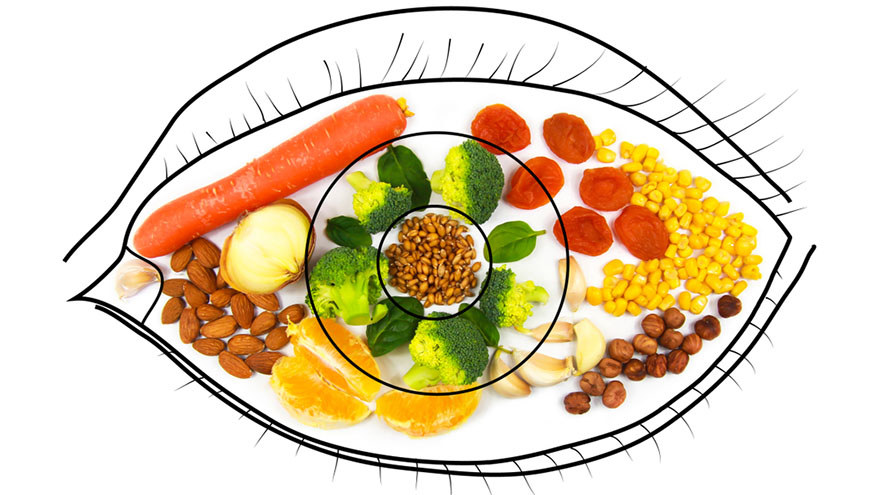
Our eyes, just like other organs, require proper nutrition to function optimally. Antioxidants, vitamins, and minerals can help protect eye cells from oxidative stress—damage caused by free radicals that can contribute to aging-related eye conditions. A diet rich in certain nutrients is not just beneficial for overall health, but it can also reduce the risk of cataracts and macular degeneration.
Key Nutrients for Preventing Eye Diseases
1. Vitamin C: The Antioxidant Powerhouse
Vitamin C is a potent antioxidant that helps protect the eyes from oxidative damage caused by free radicals. Studies have shown that vitamin C can reduce the risk of cataracts by neutralizing harmful oxidative stress in the lens. It also plays a role in maintaining the integrity of the retina.
- Sources of Vitamin C: Citrus fruits like oranges, lemons, and grapefruits; berries; peppers; and leafy greens like spinach.
2. Vitamin E: Protecting the Retina
Vitamin E is another powerful antioxidant that works in synergy with vitamin C to protect the eyes from oxidative stress. It has been linked to a reduced risk of macular degeneration, as it helps prevent the oxidation of lipids in the retina. While its direct role in preventing cataracts isn’t as well-established, it does support overall eye health.
- Sources of Vitamin E: Nuts (especially almonds and hazelnuts), seeds, vegetable oils (like sunflower oil), and green leafy vegetables.
3. Lutein and Zeaxanthin: Eye-Popping Carotenoids
Lutein and zeaxanthin are antioxidants found in the macula of the eye, where they act as a natural filter to block harmful blue light and reduce oxidative stress. High levels of these carotenoids are associated with a lower risk of macular degeneration. These compounds can also help slow the progression of existing AMD.
- Sources of Lutein and Zeaxanthin: Kale, spinach, corn, eggs, and orange peppers. These carotenoids are best absorbed when consumed with a little healthy fat, so consider pairing them with avocado or olive oil.
4. Omega-3 Fatty Acids: Keeping Your Retina Healthy
Omega-3 fatty acids are essential fats that play an important role in maintaining retinal health. Research has shown that omega-3s may help prevent the progression of dry macular degeneration. They are thought to protect against inflammation and support the structure of retinal cells, helping to preserve vision.
- Sources of Omega-3s: Fatty fish like salmon, mackerel, and sardines, as well as flaxseeds, chia seeds, and walnuts.
5. Zinc: Essential for Retinal Function
Zinc is a crucial mineral for eye health, particularly in the retina and the macula. Studies suggest that adequate zinc levels may reduce the risk of age-related macular degeneration (AMD) and may slow its progression. Zinc helps the body absorb vitamin A, which is essential for night vision.
- Sources of Zinc: Oysters, red meat, poultry, beans, nuts, and whole grains.
6. Vitamin A: Essential for Night Vision
Vitamin A is critical for maintaining healthy vision, particularly in low-light conditions. Deficiency in vitamin A can lead to night blindness, and long-term deficiencies can increase the risk of developing other eye conditions. While vitamin A's role in preventing cataracts is still debated, it is essential for overall eye health and preventing vision loss.
- Sources of Vitamin A: Carrots, sweet potatoes, liver, and dark leafy greens.
Foods to Include in Your Diet for Eye Health
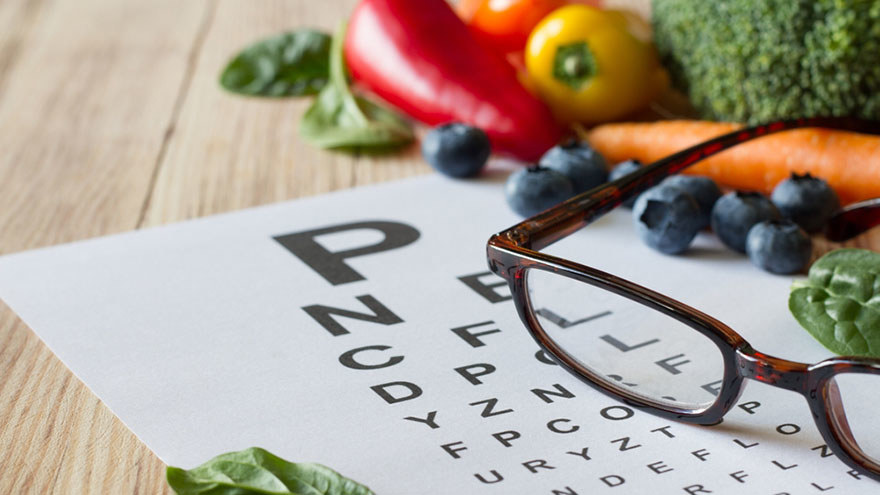
To give your eyes the best chance to stay healthy and prevent conditions like cataracts and macular degeneration, focus on including the following foods in your diet:
Leafy Greens: Spinach, kale, and collard greens are excellent sources of lutein and zeaxanthin, two key nutrients that protect the macula and prevent AMD.
Fish: Salmon, sardines, and trout provide omega-3 fatty acids that help keep the retina healthy and may lower the risk of macular degeneration.
Berries and Citrus Fruits: Packed with vitamin C, these foods can help protect the lens from cataract formation and reduce oxidative stress in the eyes.
Eggs: Rich in lutein, zeaxanthin, and zinc, eggs are one of the best foods for supporting macular health.
Nuts and Seeds: Almonds, walnuts, and sunflower seeds provide vitamin E, zinc, and omega-3s, offering a triple punch of eye health protection.
Lifestyle Factors Beyond Diet
While diet is an essential factor in preventing cataracts and macular degeneration, it’s also important to consider other lifestyle habits that can promote healthy vision. For example:
Protect Your Eyes from UV Radiation: Long-term UV exposure can increase the risk of cataracts and macular degeneration. Wearing sunglasses with UV protection is an easy way to reduce this risk.
Quit Smoking: Smoking is a major risk factor for both cataracts and macular degeneration. Quitting smoking can improve your eye health and reduce the risk of these conditions.
Exercise Regularly: Regular physical activity can help maintain healthy blood circulation, including to the eyes, which supports overall eye health.
Get Regular Eye Exams: Regular check-ups with your ophthalmologist can help catch early signs of cataracts or macular degeneration, so they can be managed before they significantly impact your vision.
Conclusion
In conclusion, while genetics, age, and environmental factors all contribute to the development of cataracts and macular degeneration, diet plays a crucial role in maintaining eye health and potentially preventing these conditions. Nutrients like vitamins C and E, lutein, zeaxanthin, omega-3 fatty acids, zinc, and vitamin A have all been shown to protect the eyes from oxidative damage, support retinal health, and lower the risk of age-related vision problems.
At Jryn Eye Clinic, we understand that maintaining clear vision goes beyond just routine eye exams. By adopting a balanced, nutrient-rich diet that includes plenty of leafy greens, fatty fish, and antioxidant-packed fruits and vegetables, you can give your eyes the support they need to stay healthy for years to come.
Ready for a Personalized 1:1 Eye Consultation?
Schedule your comprehensive 3D eye examination with Chief Director Dr. Sang-Youp Han and our ophthalmology team on the 14th floor of JRYN Medical Center in Seomyeon, Busan.