Jryn Eye Clinic Busan (Seomyeon) · SMILE LASIK · EVO+ Visian ICL · Cataract & Retina Center · Tel: +82-51-710-1004
en-US

1:1 Consultation
CLINICAL ARTICLE & GUIDE
Best Eye Clinic in Seomyeon for Complicated Cases
Discover the best eye clinic in Seomyeon for complicated cases—expert care, advanced treatments, and trusted specialists. Book your consultation today!

Introduction

When it comes to your vision, there are no shortcuts—especially if your condition isn't straightforward. In Korea, we tend to take our eyesight seriously. Regular checkups, prescription upgrades, and dry eye treatments are part of daily life. But what happens when the issue goes beyond routine? What if you’re dealing with retinal complications, corneal scarring, or a failed LASIK surgery? In Busan’s Seomyeon district, finding the right eye clinic for complex cases requires more than just a Google search.
To be clear: not all eye clinics are equipped for high-stakes or high-difficulty cases. Some focus solely on cosmetic or corrective procedures. Others handle only general eye health. But for advanced diagnostics, surgical repair, and precise postoperative care, you need a clinic with the tools, team, and track record to manage the full scope of ophthalmic challenges.
What people often overlook is how specialized modern ophthalmology has become. Gone are the days when a single doctor could handle everything from cataracts to retinal detachment. Today, each subfield has its own protocols, technologies, and surgical techniques. So if you’re experiencing something outside the norm—blurred vision that doesn’t resolve, light sensitivity after surgery, or sudden visual distortions—it’s not enough to walk into the nearest clinic. You need specialists who understand the nuances.
What Makes a Clinic Qualified for Complex Cases?
When it comes to complex eye problems—retinal tears, failed LASIK, advanced keratoconus, or secondary cataracts—standard tools and generalist care are simply not enough. What you need is a highly specialized, precision-driven team with both breadth and depth of expertise. Here’s what defines such a clinic:
1. Subspecialist Expertise—Not Just “Eye Doctors”
A qualified clinic doesn't just have ophthalmologists; it has subspecialists trained in specific areas:
Retina specialists for macular degeneration, diabetic retinopathy, and retinal detachment.
Cornea experts for post-surgical complications, scarring, and keratoconus.
Glaucoma surgeons who understand optic nerve dynamics and pressure regulation.
Refractive surgery veterans experienced in managing LASIK/ICL complications.
Each doctor focuses on their niche, ensuring nuanced diagnosis and management that general clinics can miss.
2. Advanced Diagnostic Equipment
In complex cases, the difference lies in detail. Look for clinics equipped with:
Optical Coherence Tomography (OCT) to visualize retinal layers or corneal structure.
Widefield fundus imaging for peripheral retinal checks.
Corneal topography & aberrometry to map irregularities for customized treatments.
Tear film analyzers for chronic dry eye and autoimmune issues.
Without these, many subtle—but serious—issues are easily overlooked.
3. Surgical Precision with the Right Tools
The clinic should offer cutting-edge surgical options, including:
Femtosecond laser platforms for bladeless corneal procedures.
Micro-incision vitrectomy systems for retinal surgery.
ICL insertion technology with real-time imaging.
Customized lens implantation tools for cataract cases complicated by prior surgery or trauma.
A good clinic isn't improvising. It's equipped to act with precision from the start.
4. Integrated Team & Postoperative Monitoring
Complex eye care is never a one-and-done. True specialists think in phases:
Pre-op workups with risk stratification.
Multimodal imaging before any surgical decision.
Close post-op monitoring, often across weeks or months.
At clinics like Jryn Eye Clinic, patients are never left to “monitor it on their own.” Instead, follow-up care is proactive and data-driven—tracking healing, adjusting medication, and preventing regression.
5. Experience with Surgical Revisions and “Second-Look” Cases
Lastly, some clinics specialize in salvage cases—patients who’ve had surgery elsewhere but didn’t heal well or are now experiencing new issues. This requires humility, experience, and diagnostic courage. Not every clinic is comfortable re-evaluating another surgeon’s work. The best ones are.
Why Seomyeon Is a Key Hub for Advanced Eye Care?
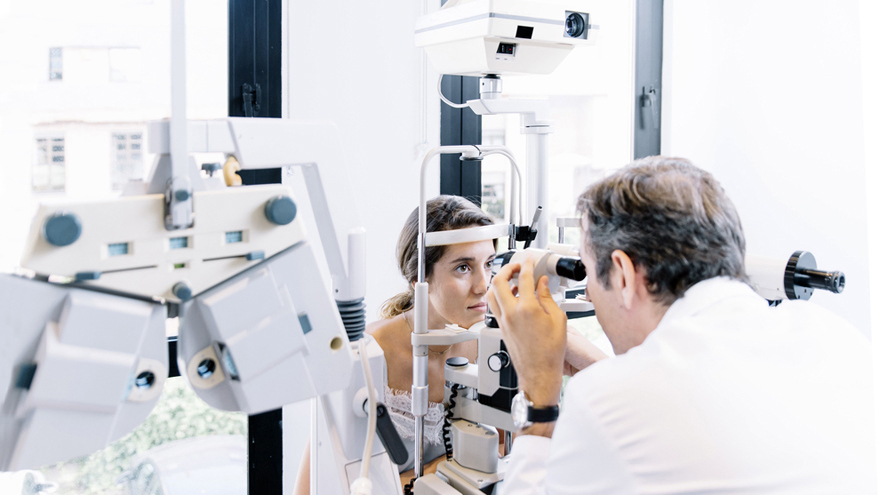
Seomyeon isn't just the shopping and nightlife district of Busan. It's also a medical hub. Because it sits at the intersection of subway lines 1 and 2, and is densely packed with specialty clinics, it attracts top-tier medical professionals and high patient traffic. For patients needing second opinions or advanced treatments, Seomyeon offers convenience without compromising quality.
The competition among clinics here is fierce—which has pushed many to invest in advanced technologies and broaden their specialist rosters. That benefits patients. It means shorter wait times for specialized procedures, quicker access to state-of-the-art diagnostics, and greater accountability overall.
For example, you might find one clinic with a dedicated SMILE LASIK suite, another with a fully staffed retina department, and yet another offering multifocal IOL implantation for complex cataracts—all within a few blocks of each other. This clustering of expertise makes Seomyeon a strategic choice for anyone with a difficult eye condition.
Nunevit Eye Clinic: A Trusted Option for Difficult Cases
Among the many clinics in the area, Nunevit Eye Clinic (누네빛안과) stands out. Located inside the Nune Medi Tower near Seomyeon Station, it covers the full spectrum of eye care, including dedicated retina services, high myopia management, intraocular lens (ICL) implantation, pediatric ophthalmology, and more.
What makes it particularly suitable for complex cases is its in-house team of subspecialists, each focused on a different area of ophthalmology—from cornea to retina to refractive surgery. Many of the doctors are board-certified and have trained in university hospitals, bringing an academic-level rigor to the clinic environment.
Their retina center handles cases like diabetic retinopathy and macular degeneration with tools like OCT and fluorescein angiography. They also provide intravitreal injections and laser therapy as part of their retina services. If you're struggling with the aftermath of a previous surgery, Nunevit has the infrastructure to handle secondary procedures, including lens repositioning, capsulotomy, and corneal cross-linking.
Another strength is patient education. The clinic provides detailed visual explanations during consultation, ensuring patients understand their condition and the proposed treatment plan. This kind of transparency is essential, especially for long-term or multi-stage interventions.
What to Expect If You're Visiting for a Complex Issue?

First, book an appointment and specify the nature of your problem. This helps them assign the right specialist. Second, bring any prior records—diagnoses, imaging scans, even your glasses prescription. The more context the doctors have, the better the diagnostic outcome.
Third, allow for a longer visit. Complex cases often require multiple tests, sometimes across different floors or departments. These tests might include corneal topography, endothelial cell counts, tear film analysis, or visual field tests, depending on your case.
And finally, ask questions. A good clinic won’t rush you. They’ll take time to explain what the scans show, what your diagnosis means, and how your treatment will unfold. That kind of care builds trust and leads to better outcomes.
When Is It Time to See a Specialist?
If your symptoms are persistent, worsening, or resistant to standard treatment—it's time. Think flashes of light, new floaters, severe dryness unresponsive to drops, or blurred vision not correctable by glasses. Even patients who had LASIK or ICL years ago can experience complications that benefit from specialist care.
Other red flags include double vision, eye pain not linked to fatigue, halos around lights, and frequent headaches linked to visual strain. These could signal underlying issues like optic nerve problems, corneal edema, or retinal tears.
Even if your symptoms seem mild, a second opinion can offer peace of mind. Some conditions, like glaucoma or macular degeneration, develop slowly and quietly. Early intervention can mean the difference between stable vision and permanent loss.
Final Thoughts: Choosing Precision Over Convenience
In Busan, and especially in Seomyeon, you have choices. But when your eye health is on the line, convenience should never outweigh capability. Clinics like Nunevit Eye Clinic offer not just treatment, but a roadmap—from diagnosis to resolution, guided by expertise. If you've been told your case is too complicated, or if you're simply not improving with basic care, it's worth consulting a team trained for the difficult and the rare.
And if you feel overwhelmed or uncertain, that’s okay. Vision problems often come with emotional weight—fear of surgery, anxiety over test results, confusion about insurance. A good clinic understands that. It doesn’t just fix your eyes; it walks with you through the process.
Your eyes deserve that level of attention. And in Seomyeon, that level of care is closer than you think. Whether you're a local resident or an international visitor seeking high-quality ophthalmology in Korea, take the time to find a clinic that sees you—not just your condition.
Ready for a Personalized 1:1 Eye Consultation?
Schedule your comprehensive 3D eye examination with Chief Director Dr. Sang-Youp Han and our ophthalmology team on the 14th floor of JRYN Medical Center in Seomyeon, Busan.