Jryn Eye Clinic Busan (Seomyeon) · SMILE LASIK · EVO+ Visian ICL · Cataract & Retina Center · Tel: +82-51-710-1004
en-US

1:1 Consultation
CLINICAL ARTICLE & GUIDE
Best Age for LASIK or ICL Surgery | Personalized Vision Correction
Find out the best age for LASIK or ICL surgery based on your vision health and needs. Consult with our expert team at Jryn Eye Clinic for personalized care.
Introduction
When it comes to improving your vision, LASIK (Laser-Assisted in Situ Keratomileusis) and ICL (Implantable Collamer Lens) are two of the most advanced and effective procedures available today. Both treatments aim to reduce or even eliminate the need for glasses and contact lenses. However, the best time to undergo these surgeries can vary depending on your age, eye health, and specific needs. In this guide, we’ll explore how age factors into LASIK and ICL, along with key considerations for choosing the right procedure for your eyes.
What is LASIK and ICL?
LASIK is a laser-based surgery that reshapes the cornea to correct refractive errors like nearsightedness, farsightedness, and astigmatism. It’s minimally invasive and offers a quick recovery, with many patients experiencing improved vision within a day or two.
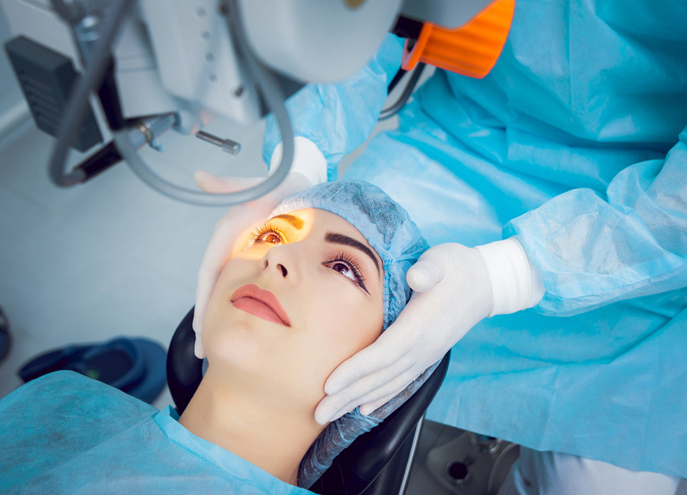
ICL, on the other hand, involves inserting a biocompatible lens inside the eye, offering a non-invasive solution for individuals who may not be suitable for LASIK. It’s ideal for patients with high refractive errors or thin corneas, as it doesn’t require altering the cornea's structure.
At Jryn Eye Clinic, we use cutting-edge technology to customize each procedure to your specific needs, ensuring optimal outcomes no matter your age or condition.
What’s the Best Age for LASIK?
For most patients, the best time to undergo LASIK is between the ages of 20 and 40. During this period, your vision tends to be stable, and your cornea is generally healthy enough for surgery.
Vision Stability: One of the key requirements for LASIK is stable vision. Your prescription should remain unchanged for at least a year, which is why LASIK is not typically recommended for those under 18. For younger patients, LASIK may be the ideal way to achieve permanent freedom from glasses or contacts.
Considerations for Those Over 40: As we approach our 40s, many begin to experience presbyopia—the gradual decline in the ability to focus on near objects. LASIK doesn’t address presbyopia, which is why many people over 40 opt for alternatives like ICL. However, LASIK may still be a good option for those under 40 with stable vision.
At Jryn Eye Clinic, we take a personalized approach to your eye health, helping you understand whether LASIK is right for you at any age.
Is ICL the Right Choice for You?
ICL surgery can be the ideal choice for people aged 18 to 45, especially those with high prescriptions, irregular corneas, or thin corneas that make LASIK unsuitable.
ICL Benefits: ICL is particularly useful for individuals who have severe nearsightedness or farsightedness. Unlike LASIK, ICL doesn’t alter the cornea, making it suitable for patients who aren’t candidates for LASIK. The procedure also works well for people who want to correct their vision even after developing presbyopia, though it doesn’t directly address near-vision problems.
Flexibility with Age: ICL is effective for patients both younger and older. Even people over 40 can benefit from ICL, particularly if they are experiencing refractive errors like myopia or hyperopia, while presbyopia may still require the use of reading glasses.
At Jryn Eye Clinic, we use advanced imaging technology, such as 3D mapping, to assess your eye health and determine if ICL is the best option for you. This technology ensures precision and personalized care throughout the process.
Age-Related Considerations for LASIK and ICL
Age plays a significant role in determining which procedure is best for you. Here are some key age-related considerations:
Stability of Vision: Younger individuals, particularly those in their 20s and early 30s, tend to experience the most stable results with LASIK. However, even those in their late 30s can still be good candidates, though they may experience slight fluctuations in vision over time.
Presbyopia and LASIK: After 40, many people develop presbyopia, which makes it harder to focus on close objects. LASIK can correct refractive errors like nearsightedness, but it doesn’t fix presbyopia. This is a major reason why people over 40 often prefer ICL, which can still correct distance vision without the risk of affecting the cornea.
Refractive Errors: LASIK is great for correcting mild to moderate refractive errors, but if you have severe myopia or hyperopia, ICL is the preferred option. ICL can also be used for patients whose corneal thickness isn’t ideal for LASIK.
At Jryn Eye Clinic, we ensure that each procedure is tailored to your individual needs, taking into account both your age and vision health.
LASIK or ICL After 40: What Are Your Options?
As we age, our vision changes. After 40, presbyopia can become an issue, leading many individuals to seek vision correction options.
LASIK After 40: Although LASIK can correct nearsightedness, farsightedness, and astigmatism, it doesn’t address presbyopia. Some patients opt for monovision LASIK, where one eye is corrected for distance vision, and the other for near vision. This can provide a functional solution for those over 40 who don’t want to rely on reading glasses.
ICL After 40: ICL remains a viable option for patients over 40, especially those with high prescriptions. While ICL doesn’t directly address near vision, it’s an effective solution for correcting distance vision, allowing for improved quality of life without the need for glasses or contacts.
Risks and Benefits of LASIK and ICL Based on Age
Each procedure comes with its own set of benefits and risks depending on age:
LASIK:
Benefits: Quick recovery, minimal discomfort, and the potential for permanent vision correction. Younger patients generally have excellent outcomes.
Risks: After 40, presbyopia can complicate LASIK results, leading to the need for reading glasses. Additionally, older patients may experience dry eyes or overcorrection.
ICL:
Benefits: Ideal for patients with high prescriptions or thin corneas. ICL is reversible, offering flexibility for future adjustments.
Risks: Although rare, ICL can increase the risk of cataracts in older patients, particularly those over 45. However, the risks are minimal, and regular monitoring helps ensure optimal results.
Choosing the Right Procedure for Your Age and Vision
The decision between LASIK and ICL ultimately depends on your age, eye health, and the specific vision issues you face.
LASIK is best for younger patients under 40 who have stable prescriptions and don’t suffer from presbyopia.
ICL is ideal for those with high prescriptions or thin corneas and works well for people over 40, especially those with presbyopia.
At Jryn Eye Clinic, we specialize in both LASIK and ICL procedures, offering personalized consultations to ensure the best choice for your eyes. Our team of expert ophthalmologists, led by Dr. Han Sang Yeop, will guide you every step of the way to help you achieve optimal vision.
Why Choose Jryn Eye Clinic?

At Jryn Eye Clinic, we prioritize patient-centered care and use the latest technology to ensure the best outcomes for every patient. Here’s why we stand out:
Expertise: Our clinic is led by Dr. Han Sang Yeop, a leading expert in LASIK and ICL with over 20 years of experience.
Advanced Technology: We utilize VisuMax femtosecond laser for LASIK and the EVO Visian ICL for precision and optimal results.
Personalized Care: We offer multilingual consultations and tailor each treatment to meet your unique vision needs.
Whether you’re considering LASIK, ICL, or both, our expert team is dedicated to helping you achieve clear, healthy vision.
Conclusion:
Choosing between LASIK and ICL depends on various factors, including your age, eye health, and vision correction needs. LASIK is generally most effective for younger patients with stable vision, while ICL provides an excellent solution for those with high prescriptions, thin corneas, or presbyopia. Whether you’re under 40 or over 40, both procedures offer life-changing benefits, and understanding your options is key to making the right choice.
At Jryn Eye Clinic, we’re committed to providing personalized care tailored to your specific needs. Our expert team, led by Dr. Han Sang Yeop, utilizes the latest technology to ensure the best possible outcomes. If you're ready to take the next step toward clearer, healthier vision, reach out to us for a comprehensive consultation. Let us guide you in choosing the procedure that’s right for you—regardless of age or condition.
Ready for a Personalized 1:1 Eye Consultation?
Schedule your comprehensive 3D eye examination with Chief Director Dr. Sang-Youp Han and our ophthalmology team on the 14th floor of JRYN Medical Center in Seomyeon, Busan.