Jryn Eye Clinic Busan (Seomyeon) · SMILE LASIK · EVO+ Visian ICL · Cataract & Retina Center · Tel: +82-51-710-1004
en-US

1:1 Consultation
CLINICAL ARTICLE & GUIDE
Astigmatism Treatment for Better Night Vision & Clarity
Struggling with night vision due to astigmatism? Learn about effective treatments like LASIK and EVO Visian ICL to restore clarity and improve night vision.

Introduction
If you're having trouble seeing clearly at night—especially when driving, walking, or navigating dimly lit spaces—it's not just an inconvenience. It might be a sign of astigmatism, a common yet often overlooked eye condition. People with astigmatism frequently experience visual disturbances such as halos around headlights, glare from streetlamps, and difficulty reading road signs. These issues can make everyday tasks, like night driving or even walking in poorly lit environments, frustrating and unsafe.

Astigmatism, though a common condition, can significantly affect your quality of life, particularly when it hampers your ability to see clearly at night. The good news is that with the right treatment, you can regain sharp vision, both during the day and at night. In this article, we’ll take a closer look at how astigmatism impacts night vision, the symptoms to watch out for, and the treatments available to help you improve your vision.
What Is Astigmatism? Understanding the Condition
Astigmatism is a refractive error caused by an irregularly shaped cornea or lens. Instead of being perfectly spherical, the cornea or lens may have a more oval shape, causing light to scatter as it enters the eye. This scattering leads to blurry or distorted vision, affecting both close-up and distant sight.
For those with astigmatism, night vision can be particularly troublesome. As our eyes naturally dilate in low-light conditions to let in more light, the irregular shape of the cornea or lens intensifies the scattering of light. This can result in blurry vision, halos, glare, and even double vision, especially at night.
Symptoms of Astigmatism
Blurry or distorted vision at near and far distances
Eye strain or discomfort, particularly after prolonged use
Difficulty seeing at night, especially when driving or in low-light conditions
Frequent changes in glasses or contact lens prescriptions
How Astigmatism Affects Night Vision
For people with astigmatism, the problem becomes more noticeable in low-light environments, like at night. When the pupils dilate, the increased amount of light entering the eye amplifies the effects of the corneal irregularity. This leads to issues like halos surrounding headlights and streetlights, glare from oncoming traffic, and a significant reduction in contrast sensitivity—making it difficult to distinguish objects in dim lighting.

Take, for example, John, a 45-year-old man who struggles to drive at night. He often sees halos around headlights, making it difficult to focus on the road ahead. Similarly, his ability to read road signs in low-light conditions is impaired, which can make his night driving feel unsafe. This kind of visual disturbance is common for those with astigmatism, but it can be managed with the right treatment.
Diagnosing Astigmatism: What to Expect
If you're experiencing problems with night vision, the first step is to see an eye care professional. A comprehensive eye exam can easily diagnose astigmatism, which typically involves several tests:
Visual Acuity Test: Measures how clearly you can see at various distances.
Keratometry: Assesses the curvature of the cornea, helping to detect astigmatism.
Autorefractor: Automatically measures how light is refracted through your eye, giving a detailed map of your refractive error.
Corneal Topography: Provides a detailed, 3D map of the cornea's surface, which helps in diagnosing the degree of astigmatism.
By using these diagnostic tools, your ophthalmologist can create a personalized treatment plan to help you address the symptoms you're experiencing.
Real-World Treatment Options for Astigmatism
Astigmatism is treatable through a variety of methods, and the right treatment depends on the severity of your condition. Here are the most common options:
1. Eyeglasses and Contact Lenses
For mild to moderate astigmatism, corrective glasses or toric contact lenses can help significantly improve both daytime and nighttime vision. These lenses are specifically designed to compensate for the irregular curvature of the cornea, offering relief from visual distortions like glare and halos.
2. Laser Eye Surgery: LASIK and SMILE LASIK
For individuals with more significant astigmatism, LASIK (Laser-Assisted in Situ Keratomileusis) and SMILE LASIK (Small Incision Lenticule Extraction) are effective surgical options that reshape the cornea to improve focus.
LASIK: Involves creating a flap in the cornea and reshaping the underlying tissue with a laser. This is a quick, minimally invasive procedure that offers fast recovery and significant improvements in vision, particularly at night.
SMILE LASIK: A more recent innovation in laser surgery, SMILE LASIK uses a smaller incision and removes a small piece of corneal tissue to correct astigmatism. This technique minimizes disruption to the cornea, leading to reduced dryness and faster recovery times.
3. EVO Visian ICL (Implantable Collamer Lens)
For patients who are not candidates for LASIK or SMILE LASIK—such as those with thin corneas or high levels of astigmatism—EVO Visian ICL offers a non-laser solution. This procedure involves implanting a small, permanent lens inside the eye, correcting astigmatism without the need to reshape the cornea. It’s especially effective for those who want a permanent solution without undergoing corneal surgery.
Post-Treatment Care: What to Expect During Recovery
Recovery from astigmatism treatments varies based on the procedure, but here’s a general overview:
LASIK: Most patients notice an immediate improvement in vision, but it may take a few days for vision to fully stabilize. It's essential to follow post-treatment instructions carefully, which may include using prescribed eye drops and avoiding activities that could strain your eyes.
SMILE LASIK: Since this procedure involves a smaller incision, recovery is often quicker, with many patients returning to normal activities within a few days. You may still experience some temporary discomfort, but the risk of complications like dry eye is generally lower.
EVO Visian ICL: Recovery from this procedure is typically smooth, with most patients resuming normal activities within a few days. Follow-up visits are essential to ensure the lens is in place and the eyes are healing properly.
Regardless of the procedure, your eye care professional will guide you through every step of the recovery process to ensure optimal results.
Expert Insights: The Importance of Choosing a Skilled Ophthalmologist
When it comes to correcting astigmatism, choosing an experienced ophthalmologist is critical. Dr. Emily Roberts, an ophthalmologist with over 15 years of experience, notes, “Personalized care is crucial when it comes to treating astigmatism. Each patient’s needs are different, and it’s important to tailor treatment based on their specific eye health, lifestyle, and visual goals.”
At reputable clinics, like [Clinic Name], we prioritize individual care, leveraging advanced diagnostic tools and the latest surgical techniques to provide the best outcomes for our patients. With a skilled ophthalmologist guiding your treatment plan, you can expect excellent results and improved vision.
Why Choose Jryn Eye Clinic for Astigmatism Treatment
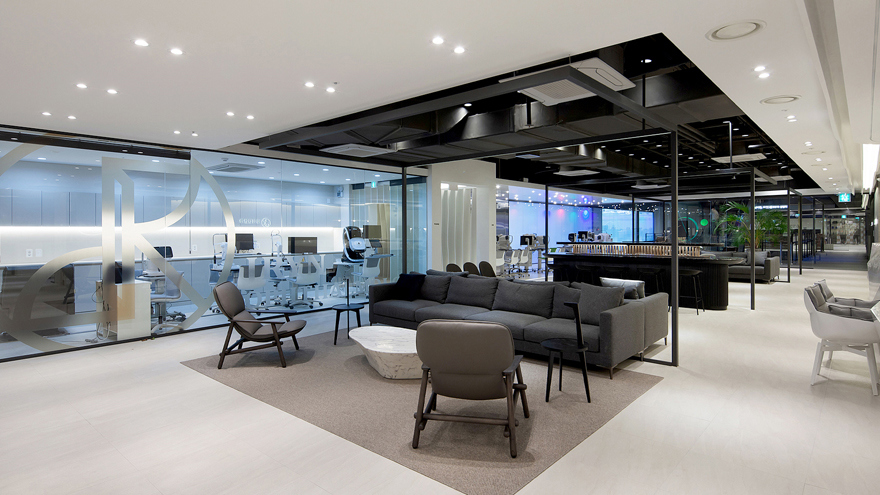
When it comes to treating astigmatism and improving night vision clarity, Jryn Eye Clinic stands out as a top choice for patients seeking advanced, reliable, and personalized care. Here’s why:
Cutting-Edge Technologies
Jryn Eye Clinic is equipped with the latest in ophthalmic technology, offering some of the most advanced solutions available for astigmatism correction. The clinic uses the VisuMax femtosecond laser, a state-of-the-art tool for performing SMILE LASIK, which is particularly effective for patients with astigmatism. This laser technology ensures precision and safety during surgery, allowing for optimal corneal reshaping with minimal disruption to the eye’s natural structure.
In addition to VisuMax, Jryn Eye Clinic utilizes advanced diagnostic tools such as high-definition 3D imaging systems and topography-guided technology. These tools provide an incredibly detailed map of the patient’s eyes, allowing for highly accurate treatment planning. The result? An astigmatism correction that improves not only daytime vision but also nighttime clarity, addressing the halos, glare, and blurriness that often affect those with astigmatism when driving at night.
Proven Track Record with 20+ Years of Expertise
With over 20 years of clinical experience, Jryn Eye Clinic has built a reputation as a trusted leader in vision correction. Their expert ophthalmologists, including Dr. Han Sang Yeop, a globally recognized specialist in refractive surgery, have successfully treated thousands of patients with astigmatism, improving their overall quality of life, including their ability to see clearly at night.
The clinic has a proven track record of not only enhancing daytime vision but also significantly improving night vision clarity. Whether through SMILE LASIK, EVO Visian ICL, or other innovative treatments, Jryn Eye Clinic has helped many patients regain confidence behind the wheel and enjoy improved clarity in dimly lit environments.
Jryn Eye Clinic's reputation also includes international certifications and recognition for its quality of care. The clinic has received accolades such as the ZEISS Smile LASIK Excellence Center Award and the Visian ICL Global Trainer Award, further confirming its status as a leader in refractive surgery.
Conclusion
If astigmatism is affecting your ability to see clearly at night, there are solutions available that can restore sharp, clear vision. Whether you opt for glasses, contact lenses, LASIK, or EVO Visian ICL, the right treatment can significantly improve your quality of life by reducing nighttime visual disturbances. Don’t let astigmatism hold you back—schedule an eye exam today and take the first step toward better vision.
Ready for a Personalized 1:1 Eye Consultation?
Schedule your comprehensive 3D eye examination with Chief Director Dr. Sang-Youp Han and our ophthalmology team on the 14th floor of JRYN Medical Center in Seomyeon, Busan.