Jryn Eye Clinic Busan (Seomyeon) · SMILE LASIK · EVO+ Visian ICL · Cataract & Retina Center · Tel: +82-51-710-1004
en-US

1:1 Consultation
CLINICAL ARTICLE & GUIDE
Are ICL Explants Common?
ICL explants are rare and typically due to complications. Learn when they're needed, why they occur, and what to expect from the procedure.

Introduction
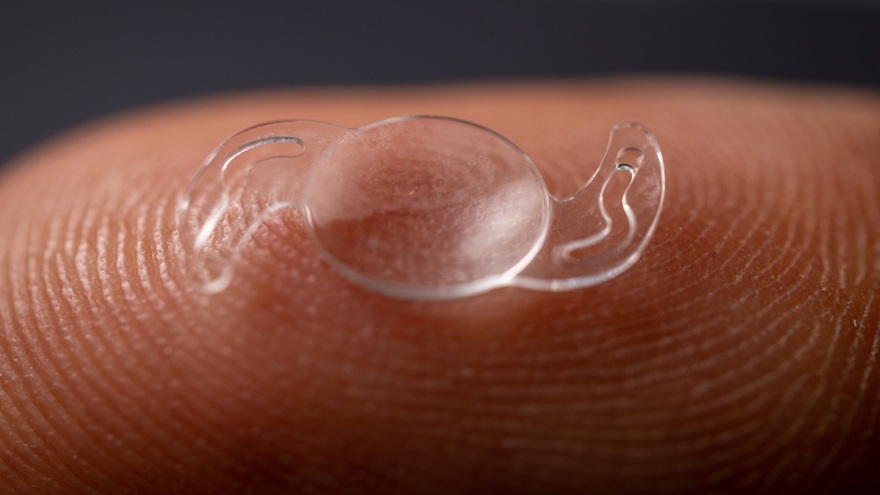
Imagine looking through a window that was once crystal clear, but slowly gathers a light film over time. That's not unlike how our vision evolves—even after a procedure that seemed perfect at first. When it comes to vision correction with ICLs (Implantable Collamer Lenses), many patients ask, "Will I ever need to have it removed?"
The short answer is: removal is uncommon, but it can happen. At Jryn Eye Clinic in Busan, we believe every patient deserves to understand the full picture—not just the benefits, but the possible detours along the way. So let’s explore what ICL explantation means, when it might happen, and how it’s handled with care and precision.
What is an ICL Explant?
An ICL explant refers to the surgical removal of an implantable collamer lens from the eye. Sometimes, this also involves an exchange, where the original ICL is replaced with another—either due to sizing, rotation, or evolving vision needs.
While ICLs—especially the newer EVO models—are designed to remain in place for decades, they are not welded to your eye. They're designed to be reversible if needed. That’s part of their appeal: powerful correction with a built-in backup plan.
In fact, reversibility is one of the unique benefits that separates ICL from other types of vision correction like LASIK or PRK. While those procedures alter the cornea permanently, ICL leaves your cornea untouched and gives us the option to adapt if your visual needs change over time.
Still, in the vast majority of cases, the ICL stays in place permanently and comfortably.
How Common is ICL Removal?
To be clear: ICL removal or exchange is rare. In real-world clinical settings—especially when the procedure is performed by experienced surgeons using precise diagnostics—the rate of explants is low.
At Jryn Eye Clinic, explants are extremely infrequent. That’s because we take time to:
Select patients who are good candidates.
Use high-resolution diagnostics for accurate sizing.
Monitor patients closely after surgery.
Most of our ICL patients enjoy stable, high-definition vision for years without complications. They come back for regular check-ups not because something is wrong, but because we believe in proactive care. We see your ICL not as a one-time fix, but as part of your long-term relationship with your vision and your health.
While we can’t promise zero risk (no one can), our team does everything possible to make sure your ICL is well-matched and well-tolerated long term.
Why Would an ICL Be Removed?
1. Cataract Formation
One of the most common reasons for removing an ICL isn’t a problem with the lens—it’s simply aging. As patients grow older, it’s natural for the eye’s natural lens to become cloudy, leading to cataracts.
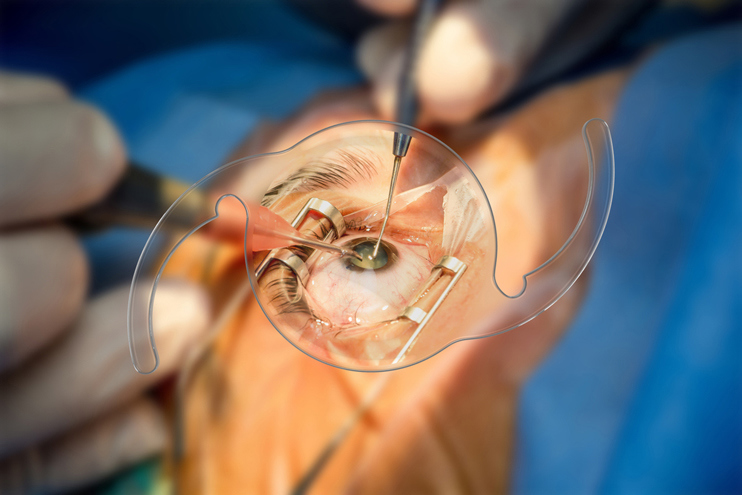
When cataract surgery is needed, the ICL is removed to make way for a new intraocular lens. This isn’t considered a complication—it’s part of the eye’s natural progression. The ICL did its job for years; now it steps aside.
This transition often happens in patients in their late 50s or 60s, sometimes earlier if there are risk factors like diabetes or high myopia. It’s not something to fear—rather, it’s a chance to upgrade the optical system once again.
2. Vaulting Issues (Too High or Too Low)
The space between the ICL and the natural lens is called the vault. If it’s too low, the lens can touch the natural lens and cause early cataracts. If it’s too high, it can increase pressure in the eye or affect the iris.
With precise measurements and modern techniques, poor vaulting is rare—but when it does occur, the lens may need to be exchanged for one of a different size. Vault-related complications typically show up early in the post-operative period, which is why we schedule follow-ups within the first week, the first month, and then at regular intervals.
3. ICL Rotation
For patients with astigmatism, a special type of ICL (toric) is used. These need to sit in a precise alignment. If the lens rotates over time, vision clarity can suffer. Sometimes a simple repositioning is enough. In rare cases, the lens may need to be exchanged.
Rotations can be influenced by eye shape and healing response. At our clinic, we evaluate rotational stability with corneal topography and anterior segment imaging to ensure everything stays exactly where it should.
4. Visual Disturbances
Halos, glare, or night vision issues are uncommon with modern ICLs—but when they do occur and persist beyond the healing period, patients may ask for removal. These symptoms usually resolve on their own or with time. But for patients who remain uncomfortable, explantation is an option.
We find that careful preoperative counseling helps here. If you know what to expect, you’re less likely to feel alarmed. And when symptoms arise, we focus on managing them with non-surgical strategies first.
5. Medical Reasons
In very rare cases, patients may develop inflammation or elevated eye pressure that doesn’t respond well to treatment. While this is highly uncommon, removal of the ICL can sometimes be part of the solution.
In such cases, the decision to explant is made collaboratively, based on test results and the patient’s overall eye health. We emphasize preserving long-term vision above all else.
What Happens During an ICL Explant Procedure?
Removing an ICL is generally a safe and controlled procedure, especially in experienced hands. It’s usually done under local anesthesia, and most patients recover well.
If a cataract is present, your doctor may combine the explant with cataract surgery—replacing both the ICL and natural lens with an artificial intraocular lens. In this scenario, many patients continue to enjoy excellent visual outcomes with little to no dependence on glasses.
In cases of vaulting or sizing issues, the ICL may simply be exchanged for a better-fitting one. The recovery process is often similar to the original procedure but depends on the eye's condition.
Patients are typically back to their routines within a few days, though we advise avoiding eye strain, rubbing, or heavy lifting during the initial healing phase.
Is This Something to Worry About?
No—and yes.
No, because the chances of ICL removal are very low, especially when the surgery is done right. But yes, because ongoing follow-up is important. Vision correction is not a set-it-and-forget-it procedure.
At Jryn Eye Clinic, we treat ICLs not as a final solution, but as part of your lifelong eye health journey. Your eyes change over time, and we’re here to help them age gracefully.
We encourage our patients to view their eye care the same way they view dental care or wellness checks. Regular follow-ups, early conversations, and trust in your care team go a long way in preventing complications.
What Makes ICL More Stable Today?
Thanks to new technology like the EVO ICL, today’s lenses have:
A central port that allows natural fluid flow, reducing risk of pressure buildup.
More biocompatible materials, minimizing inflammation or rejection.
Better lens sizing tools, including 3D imaging and ocular biometry.
All of these innovations have made ICL safer, more predictable, and more comfortable for the patient. We can now tailor the experience much more precisely than even five years ago. That’s one reason why the procedure is gaining popularity across all age groups—from young adults to people in their 40s and 50s looking for a LASIK alternative.
Combined with post-op care and patient education, the vast majority of patients never need to think about removal again.
How We Prevent ICL Explants at Jryn Eye Clinic?

At Jryn, we follow a few core principles to minimize the chance of complications:
Meticulous Pre-Screening
We don’t rush into surgery. Every candidate undergoes detailed imaging and eye health checks, including anterior segment scans, endothelial cell counts, and biometric analysis.Precision in Sizing
Not all eyes are the same. We customize the ICL size to fit your eye's anatomy—not some average model. This step is key to achieving the right vault.Proactive Monitoring
We see patients for regular follow-ups after surgery to ensure vaulting, pressure, and overall eye health remain stable. We don’t wait for symptoms to appear—we look for patterns before they become problems.Transparent Conversations
We educate patients honestly—explaining what to expect not just in year one, but in year ten. This shared understanding helps patients make informed decisions at every stage.
Final Thoughts
So, are ICL explants common? Not at all. But they do happen. And when they do, it doesn’t mean something went terribly wrong. Often, it simply reflects the natural aging of your eyes or a small adjustment needed for long-term comfort.
At Jryn Eye Clinic, we see the ICL not as a static solution, but a dynamic part of your personal vision care journey. That’s why we emphasize precision, follow-up, and real conversations—so you always know what’s happening with your eyes, and what to expect next.
If you’re considering ICL surgery—or already have an implant and are curious about its long-term safety—come see us. We’re here to make sure your vision stays clear, your mind stays calm, and your future stays bright.
Ready for a Personalized 1:1 Eye Consultation?
Schedule your comprehensive 3D eye examination with Chief Director Dr. Sang-Youp Han and our ophthalmology team on the 14th floor of JRYN Medical Center in Seomyeon, Busan.