Jryn Eye Clinic Busan (Seomyeon) · SMILE LASIK · EVO+ Visian ICL · Cataract & Retina Center · Tel: +82-51-710-1004
en-US

1:1 Consultation
CLINICAL ARTICLE & GUIDE
Annual Eye Exams: Detect Vision & Health Issues Early
Protect your vision and overall health with annual eye exams. Detect eye diseases and systemic health conditions early with expert care at Jryn Eye Clinic.
Introduction
An annual eye exam is an essential step in maintaining your overall well-being, far beyond just checking your glasses prescription. By examining the health of your eyes, this important medical visit provides critical insights into your vision and can reveal early signs of systemic health conditions. It’s one of the most comprehensive, proactive ways to monitor not just eye health, but your overall health.
What Happens During an Eye Exam?
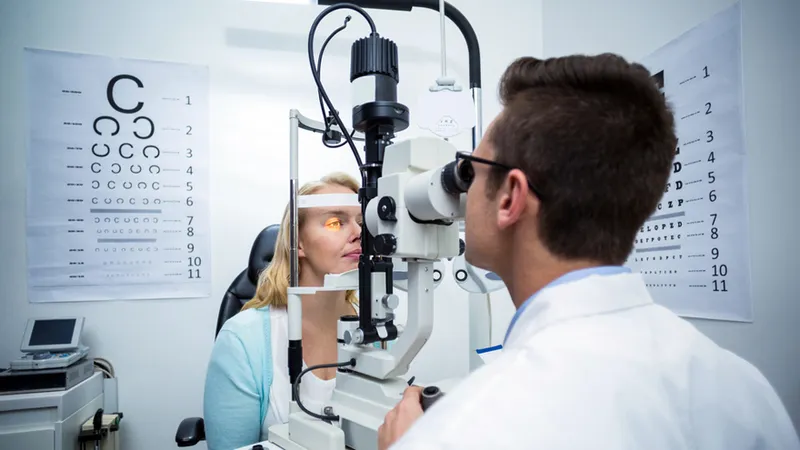
An eye exam includes a series of tests designed to thoroughly assess the state of your eyes. Here are the key components of a typical exam:
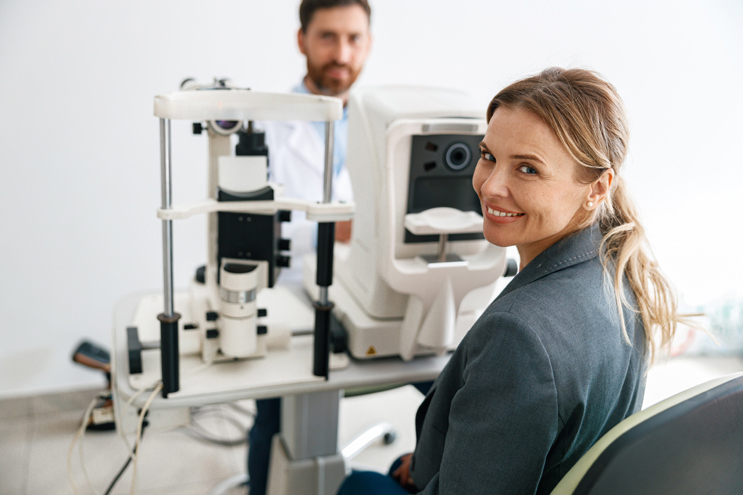
Visual Acuity Test: This test evaluates your ability to see at various distances and is commonly done with an eye chart (Snellen chart). It helps to determine if corrective lenses are needed or if your current prescription needs adjustment.
Refraction Test: This determines the precise prescription for glasses or contacts by testing how your eyes react to different lenses.
Intraocular Pressure Measurement: By measuring the pressure inside your eyes, this test helps detect glaucoma—an eye condition that can lead to irreversible vision loss if untreated.
Dilated Eye Exam: Using eye drops to expand the pupils, this procedure allows the ophthalmologist to get a closer look at the retina and optic nerve for early signs of conditions like macular degeneration, diabetic retinopathy, and more.
Why Early Detection Matters
Early detection of serious eye conditions can make all the difference in preserving your vision. Many eye diseases develop slowly and don’t show noticeable symptoms until significant damage is already done. Regular eye exams are crucial for identifying these conditions before they lead to irreversible harm.
Glaucoma: Often referred to as the "silent thief of sight," glaucoma causes damage to the optic nerve, and without symptoms in its early stages, it can lead to permanent blindness. Early detection allows for treatment to control eye pressure and prevent further damage.
Cataracts: Cataracts cause the lens inside the eye to cloud over, leading to blurry vision. Although this condition develops slowly, regular exams help spot early changes even before significant vision loss occurs.
Macular Degeneration: Especially common in those over 50, age-related macular degeneration (AMD) affects the retina and central vision. Regular eye exams allow early intervention, which can slow or even halt progression.
Eye Exams and Your Overall Health
What many don’t realize is that an eye exam can also provide early warnings for systemic health issues affecting the whole body. The eyes are one of the few areas where doctors can directly observe blood vessels, nerves, and tissues—offering valuable insight into conditions that go beyond eye health.
Diabetic Eye Disease: Diabetes increases the risk of diabetic retinopathy, where high blood sugar damages the blood vessels in the retina. These changes are often detectable through an eye exam before they affect vision, allowing for timely intervention.
Hypertension: High blood pressure can damage the eye’s blood vessels, causing hypertensive retinopathy. Eye exams can reveal this condition early, prompting further medical evaluation.
Heart Health: Narrowed arteries visible in the eyes may signal atherosclerosis, a precursor to heart disease or stroke. Regular eye exams can detect these signs, offering an opportunity to take preventative steps for cardiovascular health.
By having regular eye exams, you’re doing much more than preserving your vision—you’re taking proactive steps to safeguard your overall health.
Preventive Care: Protecting Your Vision
Routine eye exams play an essential role in preventive care, similar to how regular checkups with your primary care physician help maintain your general health. They are key in detecting issues before they become irreversible.
Early Intervention: Many serious conditions, such as glaucoma or macular degeneration, respond best to treatment when detected early. Interventions may include medications, laser therapy, or surgical procedures that can slow or stop disease progression.
Managing Vision Problems: For those already using glasses or contacts, regular eye exams ensure your prescription is up to date. This can make a significant difference in quality of life, ensuring that your vision remains optimal for day-to-day activities.
Preventing Complications: Untreated eye conditions like glaucoma or diabetic retinopathy can lead to severe, permanent vision loss. Early detection allows for more effective treatment, reducing the risk of long-term complications.
Eye Exams for All Ages
Eye health is important at every stage of life, but the specific needs change with age.
Pediatric Eye Exams: Early detection of vision issues in children is crucial for their development. Conditions like amblyopia (lazy eye) and strabismus (crossed eyes) are often unnoticed by parents but can impact a child’s learning and quality of life. Experts recommend the first eye exam at 6 months, with subsequent exams at age 3 and annually once school begins.
Senior Eye Exams: Older adults are at higher risk for eye diseases such as cataracts, macular degeneration, and glaucoma. Seniors should prioritize annual eye exams to detect these conditions early and maintain their independence and quality of life.
Understanding Your Eye Care Providers
When it comes to eye health, both ophthalmologists and optometrists play vital roles, but their specialties differ.
Ophthalmologists: These medical doctors specialize in diagnosing, treating, and performing surgery for eye diseases. They handle complex cases like cataract surgery, LASIK, and treatment for severe eye conditions.
Optometrists: Optometrists focus on vision care, including eye exams, prescriptions for glasses or contacts, and the diagnosis of common eye conditions. While they don’t perform surgery, they provide ongoing eye health management and refer patients to ophthalmologists when necessary.
When selecting an eye care provider, consider your needs. Optometrists are typically the first stop for regular checkups and prescriptions, while ophthalmologists should be consulted for surgery or complex issues.
How Often Should You Get an Eye Exam?
The frequency of eye exams depends on several factors, including age, health status, and risk factors. Below are general guidelines:
Children: First exam at 6 months, second at 3 years, then every year once in school.
Adults (18-40): Every 2 years unless there are vision issues or family history of eye conditions.
Adults (40+): Annual exams to monitor for age-related conditions.
Seniors (65+): Regular exams, especially for those with health conditions like diabetes or high blood pressure.
What an Eye Exam Can Reveal Beyond Vision
In addition to detecting eye diseases, an eye exam can offer insights into several systemic health conditions.
Diabetes: Changes in the retina’s blood vessels can indicate diabetic retinopathy, often before vision changes are noticeable.
Hypertension: Hypertensive retinopathy, caused by high blood pressure, can be detected early during an eye exam.
Brain Tumors: Rarely, an eye exam can reveal signs of a brain tumor if it’s exerting pressure on the optic nerve, leading to vision changes.
Why Annual Eye Exams are a Smart Investment
Regular eye exams are an essential part of preventive healthcare. Not only do they help detect early signs of eye diseases, but they can also prevent serious complications and save you from costly treatments in the future. Early diagnosis is key in preserving your vision and preventing long-term health issues.
Jryn Eye Clinic: Leading the Way in Eye Care
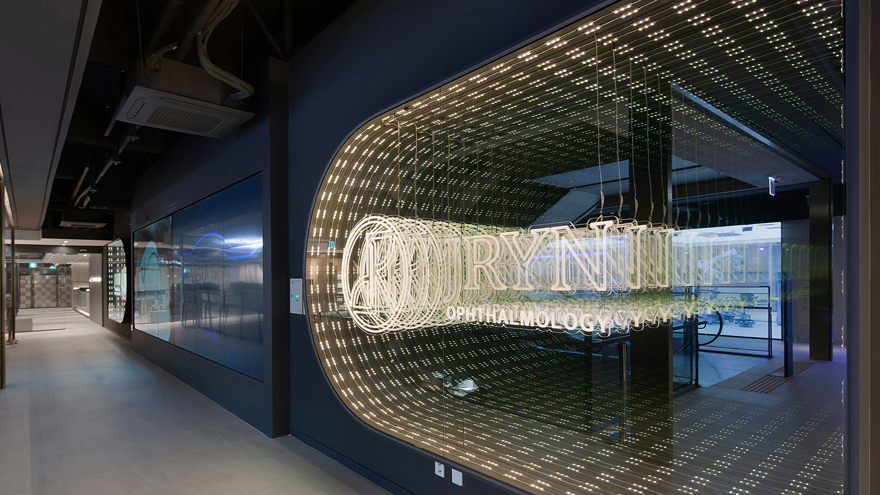
If you’re looking for expert eye care, consider Jryn Eye Clinic in Busan, Korea. With over 20 years of experience, the clinic offers a range of services, from routine exams to advanced treatments like SMILE LASIK and cataract surgery. The clinic is trusted for its personalized care and advanced technology, ensuring that your eyes are in good hands.
Conclusion
An annual eye exam is an investment in your health and vision. Whether you're a child, an adult, or a senior, these exams are vital for early detection of eye diseases and health conditions. Don’t wait—schedule your eye exam today to ensure that you protect your vision and overall health for years to come.
Ready for a Personalized 1:1 Eye Consultation?
Schedule your comprehensive 3D eye examination with Chief Director Dr. Sang-Youp Han and our ophthalmology team on the 14th floor of JRYN Medical Center in Seomyeon, Busan.